
Best value luxury perfume houses are luxury fragrance brands that deliver outstanding scent quality, impressive longevity, and refined compositions at a price point that does not require a second mortgage. The industry term for this category is "accessible luxury fragrance," and it covers both heritage designer houses and niche perfumers who prioritize what goes inside the bottle over what is printed on the label. Parfum extrait concentrations reaching up to 30% fragrance oil set the performance benchmark for serious buyers. Whether you are a first-time buyer or a seasoned collector, knowing which houses offer genuine value changes how you shop and what you get for your money.
What criteria define best value luxury perfume houses?
Value in luxury perfume is defined by four measurable factors: ingredient quality, fragrance oil concentration, scent complexity, and price relative to performance. Brand prestige and elaborate packaging add cost without adding scent. The best value luxury perfume houses put their budget into raw materials and formulation.
Ingredient quality and sourcing separate genuine luxury from marketing. Houses that use natural Bulgarian rose, Haitian vetiver, or Madagascan vanilla command higher prices for good reason. Those ingredients produce richer, more nuanced dry-downs that synthetic alternatives cannot replicate.

Concentration matters more than most buyers realize. Parfum extrait formulations contain up to 30% fragrance oil, compared to 15–20% for Eau de Parfum and 5–15% for Eau de Toilette. Higher oil content means longer wear time and fewer sprays per use, which stretches a bottle significantly further.
Scent complexity and wearability are the third pillar. A fragrance with distinct top, heart, and base notes that evolve over hours delivers more satisfaction than a one-dimensional spray. Longevity, balance, and projection are the core drivers of perfume value, not prestige alone.
Pricing strategies and distribution channels create real opportunities. Heritage houses sell through department stores at full retail, but the same authentic bottles move through secondary markets at significant discounts. Buying through reputable discount luxury perfume channels is a legitimate and widely practiced strategy among experienced collectors.
Pro Tip: Before buying a full bottle, request a sample or decant. Testing a fragrance on your skin for a full day costs almost nothing and prevents expensive regrets.
Top luxury perfume houses offering the best value
The houses listed here earn their place through documented performance, accessible pricing tiers, and consistent quality across their lines.
1. Guerlain
Guerlain, founded in 1828, is one of the oldest continuously operating perfume houses in the world. Its heritage is not just marketing copy. The house built its reputation on using exceptional raw materials and employing master perfumers across generations. Guerlain's Aqua Allegoria line delivers genuine complexity at a price point well under $100 for most sizes. The Guerlain Eau de Lingerie is a strong example of the house's ability to create intimate, sophisticated scents without demanding flagship prices.
2. Christian Dior
Dior sits at the intersection of fashion prestige and genuine perfumery craft. The house's J'adore line remains one of the best-selling luxury fragrances globally because it consistently delivers a polished floral composition with strong projection. The Dior J'adore Le Jasmin EDP showcases the house's skill with jasmine sourcing. Dior also offers entry points across concentration levels, making it accessible for first-time buyers who want a recognizable name with real quality behind it.
3. Tom Ford
Tom Ford Private Blend is the house's prestige tier, but the main Tom Ford fragrance line offers remarkable value for the quality delivered. Tobacco Vanille and Black Orchid are widely cited as benchmarks for rich, long-lasting compositions. The house leans heavily into extrait and EDP concentrations, which means you use less product per wear. Tom Ford is the clearest example of a designer house that charges for what is in the bottle rather than just the name on it.
4. Creed
Creed occupies a unique position as a house that straddles designer and niche categories. Aventus remains one of the most discussed fragrances in the enthusiast community for its projection and longevity. The house uses high-quality naturals and maintains consistent batch quality. Creed is not cheap at retail, but sourcing through secondary markets brings the cost into a range that many buyers find justifiable given the performance. Niche houses like Creed prioritize concentration and unique compositions, delivering better cost-efficiency per wear.
5. Narciso Rodriguez
Narciso Rodriguez built its fragrance identity on musk-forward compositions that wear close to the skin and last through a full day. The house's For Her EDP is a textbook example of a designer fragrance that punches well above its price class. The Narciso Rodriguez EDP for women regularly appears on lists of the most complimented fragrances across all price tiers. For buyers who want a sophisticated, wearable scent without paying flagship luxury prices, this house delivers consistently.
6. Prada
Prada's fragrance line benefits from the house's fashion credibility while maintaining genuine quality in its compositions. The Luna Rossa and La Femme lines use quality ingredients and offer strong longevity. Prada fragrances frequently appear in secondary markets at 30–60% off retail, making them one of the most accessible entry points into designer luxury for budget-conscious buyers.
7. Valentino
Valentino's Uomo and Donna lines deliver polished, complex compositions that read as significantly more expensive than their actual price. The house uses quality woody and floral accords that age well on skin. Like Prada, Valentino fragrances move through the secondary market efficiently, and buyers can regularly find authentic bottles at prices that make the value proposition very strong.
8. Ex Nihilo
Ex Nihilo is a Paris-based niche house that produces high-concentration EDPs with genuinely distinctive compositions. Fleur Narcotique and Venenum Kiss are standout examples of niche perfumery that justify their price through ingredient quality and longevity. Ex Nihilo sits at a higher price point than designer houses, but the cost-per-wear calculation favors the house when you factor in concentration and projection.
"Luxury perfume value is less about brand name alone and more about olfactory complexity, longevity, and how well a fragrance suits individual tastes and occasions."
9. Escentric Molecules
Escentric Molecules built its entire identity around a single aroma-chemical concept: isolating and amplifying specific molecules to create fragrances that interact uniquely with each wearer's skin chemistry. Molecule 04 and Escentric 01 are both priced accessibly for niche fragrances and offer a genuinely different olfactory experience. The house is ideal for buyers who want something distinctive without paying for elaborate packaging or marketing overhead.
10. Salvatore Ferragamo
Ferragamo's fragrance line is consistently underrated in value discussions. The Incanto line, particularly Incanto Heaven, delivers fresh, wearable compositions at prices that sit well below comparable designer offerings. Ferragamo fragrances are widely available through secondary markets, and the quality-to-price ratio makes them a strong recommendation for first-time luxury buyers.
How to shop smart for high-quality luxury perfumes without overspending
Smart shopping for affordable luxury fragrances starts with understanding where authentic bottles come from and how pricing works across channels.
- Gray market sourcing is legitimate. Consumers can save 30–60% by purchasing from secondary retailers who handle excess authentic luxury perfume inventory. These are not counterfeits. They are genuine products sold outside the brand's official retail network.
- Sample before you commit. Decant services and sample programs exist specifically to let you test a fragrance on your skin before buying a full bottle. A $5 sample can save you from a $150 mistake.
- Check concentration before buying. The letters on the bottle matter. An EDT of the same fragrance will perform very differently from an EDP or extrait. Always verify what concentration you are purchasing, especially in secondary markets.
- Time your purchases. Major sales events in november and december, as well as post-holiday clearances in january, regularly bring luxury fragrance prices down across both retail and secondary channels.
- Use reputable secondary platforms. A wholesale liquidation guide can help you understand how excess inventory moves through legitimate channels, which is useful context when evaluating secondary market sellers.
- Read the packaging. Authentic luxury bottles have consistent font printing, tight-fitting caps, and batch codes on both the bottle and the box. Mismatched codes or blurry printing are red flags.
Pro Tip: Build a small sample library before committing to full bottles. Rotating through 10–15 samples over a month gives you a much clearer picture of which fragrances you actually reach for.
What perfume concentrations impact value and longevity in luxury scents?
Concentration is the single most important technical factor in evaluating cost-per-use value for luxury fragrances. Higher oil concentration means longer wear time, stronger projection, and fewer applications per bottle.
| Concentration | Oil Content | Typical Longevity | Best For |
|---|---|---|---|
| Eau de Toilette (EDT) | 5–15% | 3–5 hours | Casual, daytime wear |
| Eau de Parfum (EDP) | 15–20% | 6–8 hours | Versatile, daily use |
| Parfum / Extrait | Up to 30% | 8–12+ hours | Special occasions, value per use |
The math on extrait concentrations favors the buyer over time. A 50ml extrait bottle used at one spray per application lasts significantly longer than a 100ml EDT used at three or four sprays. The higher upfront price of an extrait is offset by the extended bottle life and richer scent experience.
Performance-oriented buyers increasingly prefer parfum extrait for exactly this reason. The fragrance sits closer to the skin, evolves more slowly through its notes, and leaves a more distinctive impression than lighter concentrations. For first-time buyers, starting with an EDP rather than an EDT from the same house gives you a better read on how the fragrance actually performs.
Key takeaways
The best value in luxury perfume comes from houses that prioritize fragrance oil concentration, ingredient quality, and scent complexity over packaging and brand overhead.
| Point | Details |
|---|---|
| Concentration drives value | Parfum extrait with up to 30% oil content lasts longer and costs less per wear than EDT. |
| Heritage houses offer accessible tiers | Guerlain and Dior maintain quality across price points, not just at the top of their lines. |
| Secondary markets are legitimate | Authentic luxury fragrances sell for 30–60% off retail through reputable secondary sellers. |
| Sample before buying | Testing on your skin for a full day prevents costly full-bottle mistakes. |
| Niche houses offer better cost-efficiency | Niche perfumers prioritize concentration and unique compositions, delivering more per milliliter. |
My honest read on luxury fragrance value in 2026
The conversation around luxury perfume has shifted noticeably. Buyers are less impressed by a famous name on a box and more focused on what actually happens when the fragrance hits their skin. That shift is good for anyone who knows how to use it.
My observation after years of following this market: the houses that hold their value best are the ones that invest in their perfumers rather than their ad budgets. Guerlain and Tom Ford are obvious examples. Ex Nihilo is a less obvious one, but the quality is there if you spend time with the compositions.
For first-time buyers, I always suggest starting with an EDP from a heritage house rather than jumping straight into niche territory. Get comfortable with how concentration affects wear time and projection. Then, once you understand what you prefer, the smart shopping strategies for niche and extrait purchases make a lot more sense.
The 2026 market trend toward smooth woods, amber, and fresh mineral accords is real. But chasing trends in fragrance is a fast way to build a collection you stop wearing. Buy what genuinely suits you, at the concentration that performs best on your skin, from a house that earns its reputation through the liquid rather than the label.
— Hamster777
Parfumla's selection of luxury fragrances worth exploring
Parfumla carries over 14,000 fragrances, including the top luxury perfume brands covered in this guide, at up to 60% off retail prices. The catalog spans heritage houses like Dior and Guerlain, niche perfumers like Ex Nihilo, and accessible designer lines from Narciso Rodriguez and Salvatore Ferragamo.
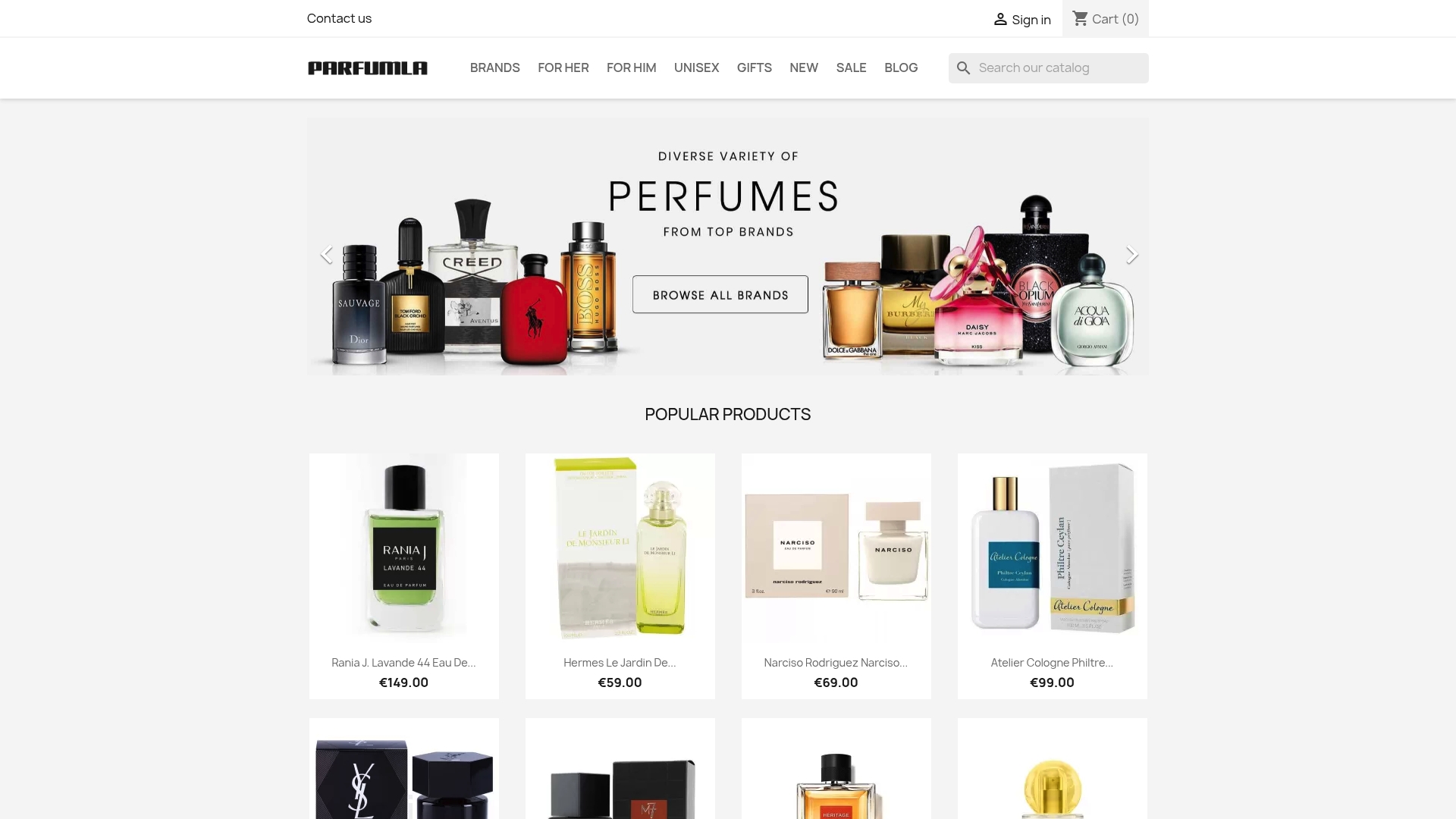
Whether you are looking for your first luxury fragrance or adding a high-concentration extrait to an existing collection, Parfumla's detailed product reviews help you make an informed choice before buying. The Christian Dior J'adore Le Jasmin EDP and the Narciso Rodriguez EDT are two high-priority picks that represent exactly the kind of value this guide covers. Parfumla ships reliably across the US and EU, with authentic products and customer support that makes the buying process straightforward.
FAQ
What makes a luxury perfume house "best value"?
A best value luxury perfume house delivers high ingredient quality, strong longevity, and complex scent profiles at a price that reflects the liquid rather than the marketing. Houses like Guerlain and Dior consistently meet this standard across multiple price tiers.
Is parfum extrait worth the higher price?
Yes. Parfum extrait contains up to 30% fragrance oil, which means fewer sprays, longer wear, and a richer scent experience. The cost-per-use calculation almost always favors extrait over EDT for regular wearers.
Are gray market luxury perfumes authentic?
Reputable gray market retailers sell genuine excess inventory from official supply chains. Buyers can save 30–60% this way, provided they verify seller reputation and check batch codes on both the bottle and the box.
What is the difference between designer and niche luxury perfume houses?
Designer houses produce fragrances for broad appeal and wide distribution. Niche houses prioritize higher concentration, unique compositions, and better cost-efficiency per use, often at a higher upfront price but lower cost per wear.
How do I find the best luxury scents under $100?
Focus on EDP concentrations from heritage houses like Guerlain or accessible designer lines from Narciso Rodriguez and Salvatore Ferragamo. Secondary market platforms and online shopping checklists help you find authentic bottles at prices well under the $100 mark.