

Chypre (pronounced "sheep-ra") is an olfactive family built around a three-part accord: a bright bergamot top, a floral or fruity heart, and a deep, mossy base of oakmoss, labdanum, and patchouli. If you want to smell the family before reading further, here are ten representative examples spanning classic and contemporary bottles:
- Chypre (Coty, 1917) — the original blueprint
- Mitsouko (Guerlain) — peachy, powdery classic
- Bandit (Robert Piguet) — leather-forward and austere
- Knowing (Estée Lauder) — bold floral chypre
- Quercus (Penhaligon's) — green, mossy, unisex
- Noir de Noir (Tom Ford) — dark rose and truffle
- Ormonde Woman (Ormonde Jayne) — woody, hemlock-laced
- Memoir Woman (Amouage) — incense-tinged modern chypre
- Tenue de Soirée (Goutal) — refined evening chypre
- Hacivat (Nishane) — fruity, contemporary niche pick
Table of Contents
- What makes a fragrance a chypre?
- The origin: Coty's 1917 Chypre and why it still matters
- Classic chypre examples and what to listen for
- Modern and contemporary chypres worth trying
- Chypre subfamilies: which style fits you?
- How to choose, sample, and buy chypre fragrances in the U.S.
- Where to source chypre fragrances online
- Key Takeaways
- Why chypres are worth the effort
- Parfumla's chypre selection: bottles and samples at real prices
- Useful sources for further reading
- FAQ
What makes a fragrance a chypre?
A chypre is an archetype, not a single note. The defining accord pairs a citrus opening (almost always bergamot) with a resinous, mossy base of oakmoss, labdanum, and patchouli. Between those two poles sits a heart that can be floral (rose, jasmine), fruity (peach, plum), or green (galbanum, violet leaf) depending on the modifier.
What makes the family so distinctive is the tension between those poles. Perfumer Dora Baghriche describes it as a clair-obscur effect:
That contrast is what gives chypres their reputation for sophistication. They feel simultaneously fresh and earthy, transparent and opaque.
One structural shift has reshaped the family in recent decades. IFRA regulations tightened restrictions on natural oakmoss due to its allergen content, pushing perfumers toward synthetic moss replacements such as Evernyl and Veramoss, or purified extracts. The result: modern chypres tend to feel lighter and cleaner in the base, sometimes sweeter, and rarely as velvety as pre-restriction classics.
The origin: Coty's 1917 Chypre and why it still matters
François Coty's Chypre (1917) is the canonical starting point for the entire family. It introduced the bergamot–labdanum–oakmoss triad that every chypre since has referenced, adapted, or argued with.
The name comes from the French word for Cyprus, the island long associated with Aphrodite and with a traditional aromatic blend of local plants. Coty formalized that idea into a commercial perfume structure, and the result set feminine perfumery on a new course, giving the industry a template for sophisticated, structured scent.
Timeline: 1917 — Coty launches Chypre, establishing the bergamot/oakmoss/labdanum blueprint that defines the family to this day.
The 1917 original is no longer in production in its authentic form, but its DNA runs through every bottle in this guide. Understanding it is the fastest way to train your nose on what the family actually means.
Classic chypre examples and what to listen for
These are the canonical references that defined the family across the 20th century. Each one rewards patience: chypres reveal themselves slowly, and the base is usually the most interesting part.
-
Mitsouko (Guerlain): Bergamot and peach open bright and almost jammy, then a powdery rose/jasmine heart settles in before a mossy, oakmoss-and-vetiver base takes over. The peachy facet is the signature. Vintage bottles are noticeably denser and more velvety than modern editions — a direct result of pre-restriction oakmoss levels.
-
Bandit (Robert Piguet): A leather chypre with a sharp, almost medicinal opening of galbanum and aldehydes, a smoky rose heart, and a dry leather-and-oakmoss base. Austere and unapologetic. Best worn in autumn or evening; not a crowd-pleaser, and that's the point.
-
Knowing (Estée Lauder): A bold floral chypre built around rose and patchouli, with a warm, resinous drydown. Projection is strong and the sillage is assertive. It reads as a "power fragrance" in the best sense, and it's still widely available in the U.S. at accessible prices.
-
Quercus (Penhaligon's): Named for the oak tree, this is one of the greenest chypres in the canon. Bergamot and violet leaf open cleanly; the base is mossy and woody with a cool, almost damp quality. Unisex in feel and particularly good in spring or early autumn.
-
Noir de Noir (Tom Ford): Technically a dark floral chypre. Black rose and truffle anchor a rich, almost gothic heart over a patchouli and sandalwood base. It sits at the niche end of the price spectrum and projects with authority.
On vintage versus modern: Older bottles that used natural oakmoss have a depth and velvety texture that modern reformulations rarely match. If you find a pre-2000s bottle of Mitsouko or Bandit, the base will feel fundamentally different — darker, more animalic, and slower to fade.
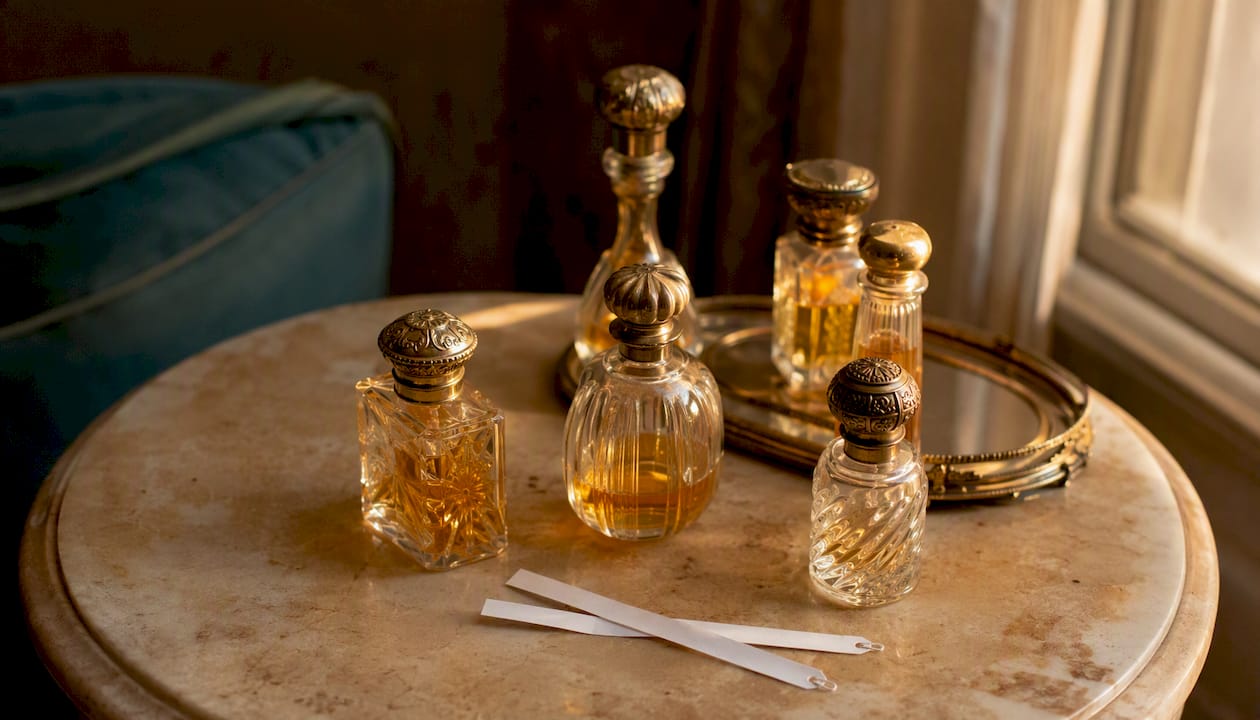
Modern and contemporary chypres worth trying
Contemporary perfumers have kept the chypre structure alive by leaning into fruit, musk, and synthetic moss in place of the restricted naturals. The results are often more immediately wearable, though they trade some of the original's density for brightness.
-
Ormonde Woman (Ormonde Jayne): Opens with a distinctive hemlock note over bergamot, then moves into a woody, slightly green heart before settling on a warm, resinous base. Projection is moderate; longevity is excellent. Niche availability — worth seeking out as a sample first.
-
Memoir Woman (Amouage): An incense-forward modern chypre with green and herbal top notes, a complex floral heart, and a deep labdanum base. Strong projection and longevity. Niche pricing, but widely available through authorized U.S. retailers.
-
Tenue de Soirée (Goutal): A refined, evening-oriented chypre with a rose and jasmine heart over a mossy, powdery base. Moderate projection; elegant rather than assertive. Good for cooler evenings when the mossy base can fully unfold.
-
Hacivat (Nishane): A fruity chypre that leans into the fruitchouli trend — pineapple and bergamot open bright and sweet, then a patchouli-heavy base grounds the whole thing. Approachable for newcomers to the family. Widely available in the U.S. through niche retailers.
-
Memoir Woman and Ormonde Woman represent the niche end of the contemporary market. For buyers who want a modern chypre at a designer price point, Knowing (Estée Lauder) remains one of the best-value options in the U.S.
The key difference from classics: modern chypres use synthetic moss replacements and often sweeten the base with ambroxan or musks. You get the structural logic of the family without the sharp, bitter oakmoss edge. Whether that's a trade-off or an improvement depends entirely on what you're looking for.
Cooler weather consistently brings out the best in chypres. Heat pushes the fruit and floral facets forward; autumn and winter let the mossy base breathe and project properly.
Chypre subfamilies: which style fits you?
The chypre family is broad enough to contain everything from austere leather to sweet fruit. The modifier shifts either the heart (what sits between citrus and base) or the base emphasis (how much patchouli versus oakmoss dominates).

| Style / Modifier | Signature Notes | Best For | Projection & Longevity | Price Positioning |
|---|---|---|---|---|
| Floral chypre | Rose, jasmine heart over mossy base | Year-round, formal occasions | Moderate to strong / long | Designer to niche |
| Fruity chypre ("fruitchouli") | Peach, plum, or tropical fruit; patchouli-heavy base | Spring/summer, casual to semi-formal | Moderate / medium | Designer to niche |
| Leather chypre | Smoky or dry leather heart; oakmoss base | Autumn/winter, evening | Strong / long | Vintage to niche |
| Green chypre | Galbanum, violet leaf, or grass; cool mossy base | Spring, daytime | Light to moderate / medium | Designer to niche |
| Woody chypre | Cedarwood, vetiver, or sandalwood base replacing or supplementing oakmoss | Autumn/winter, unisex | Moderate / long | Niche to luxury |
Subfamilies like floral, fruity, leather, and green chypres each shift the accord in a distinct direction while keeping the bergamot-plus-mossy-base skeleton intact. Mitsouko sits in the fruity column; Bandit in leather; Quercus in green; Knowing in floral. Knowing which modifier appeals to you cuts the sampling list in half.
How to choose, sample, and buy chypre fragrances in the U.S.
Chypres reward patience more than almost any other family. The opening five minutes rarely tell the full story.
-
Start on a blotter, then move to skin. A blotter gives you the top notes and heart cleanly. Skin adds your own chemistry and reveals the base. Give it at least 30 minutes before deciding.
-
Test one fragrance at a time. Layering testers confuses the nose. If you're sampling multiple chypres, space them across different days or different arms, and clear your palate with coffee beans between sniffs.
-
Wait for the drydown. The mossy, resinous base is the soul of a chypre. It usually takes 45–90 minutes to fully develop. Judging a chypre at the 10-minute mark is like leaving a film at the first act.
-
Order samples before committing to a full bottle. Decant marketplaces and sample programs exist precisely for this. A 1–2 ml vial worn across two or three days tells you far more than a department store spritz.
-
Know your price bands. In the U.S., designer chypres generally have accessible price points, while niche picks tend to be more expensive. Vintage bottles on secondary markets vary widely and carry authenticity risks.
-
Vintage versus reformulated: Vintage bottles often used natural oakmoss and produced a deeper, darker texture. Modern editions are lighter and cleaner but may feel less complex in the base. If you buy vintage, check batch codes and seller reputation carefully — fragrance closeout sales and authorized dealers are safer than anonymous listings.
Seasonal note: Chypres project and nuance best in cooler temperatures. Autumn and winter are the natural home of the mossy base; summer heat can flatten the accord and push sweetness forward.
Where to source chypre fragrances online
Parfumla is the publisher of this article and an online retailer carrying over 14,000 perfumes, including designer, niche, and hard-to-find bottles, with discounts up to 60% off retail prices. That context matters when you're reading buying advice here: the recommendations are grounded in genuine knowledge of the category, and the inventory breadth means you can often find multiple concentration options or editions in one place.
Before purchasing any chypre online, run through this checklist:
- Concentration: EDT, EDP, and extrait versions of the same fragrance smell meaningfully different. Check the label and the product page carefully.
- Seller authenticity: Buy from authorized retailers or well-reviewed platforms. Look for clear product photos showing batch codes on the bottle and box.
- Batch code verification: Tools like Checkfresh or Parfumo's batch decoder let you verify production date and confirm you're not buying an old or counterfeit bottle.
- Return and sample policy: A reputable seller offers a clear return window. If the policy is vague, that's a signal.
- U.S. shipping: Confirm the retailer ships to your state and check whether any import or handling fees apply to your order.
Pro Tip: If you're new to chypres, buy a sample or decant of a classic (Mitsouko or Knowing) alongside a modern fruity pick (Hacivat) and wear them on separate days. The contrast between the two will teach you more about the family's range than any description can.
Key Takeaways
The chypre family's defining quality is the tension between bergamot brightness and a mossy, resinous base — and that contrast is what separates it from every other fragrance family.
| Point | Details |
|---|---|
| The chypre accord | Bergamot top, floral or fruity heart, oakmoss/labdanum/patchouli base — all three elements must be present. |
| Classic vs. modern | Vintage chypres use natural oakmoss for a denser, darker base; modern versions use synthetic substitutes and tend to read lighter and sweeter. |
| Best season to wear | Autumn and winter bring out the mossy base most clearly; heat pushes fruit and floral facets forward instead. |
| Sample before buying | Test on skin for at least 45–90 minutes to reach the base before committing to a full bottle. |
| Parfumla for purchase | Parfumla carries over 14,000 fragrances at up to 60% off retail, including designer and niche chypre options with U.S. shipping. |
Why chypres are worth the effort
There's a reason enthusiasts treat chypres as the benchmark for sophisticated perfumery. The family demands something from the wearer: patience, attention, and a willingness to let the fragrance evolve rather than deliver its whole story in the first spray. That's not a flaw. It's the point.
What most people miss when they first encounter a chypre is that the opening is almost a decoy. The bergamot and fruit are bright and approachable, but the real character lives in the base — in the way oakmoss (or its modern equivalent) creates a cool, almost mineral dryness that anchors everything above it. That base is what makes a chypre feel adult in a way that most fragrance families simply don't.
The oakmoss restrictions have genuinely changed the family. Modern chypres are not lesser, but they are different. If you want the original experience, vintage bottles are worth pursuing carefully. If you want something wearable today with the same structural logic, the contemporary picks in this guide deliver.
Pro Tip: Store chypres away from heat and light — the mossy base notes are particularly sensitive to oxidation. A cool, dark drawer extends the life of both vintage and modern bottles significantly.
Parfumla's chypre selection: bottles and samples at real prices
Finding a specific chypre at a fair price in the U.S. used to mean hunting across multiple retailers. Parfumla carries a large selection of fragrances, including designer classics and niche picks, often at significant discounts off retail prices. That means you can browse Mitsouko alongside Hacivat, compare concentrations, and check detailed reviews before spending anything.
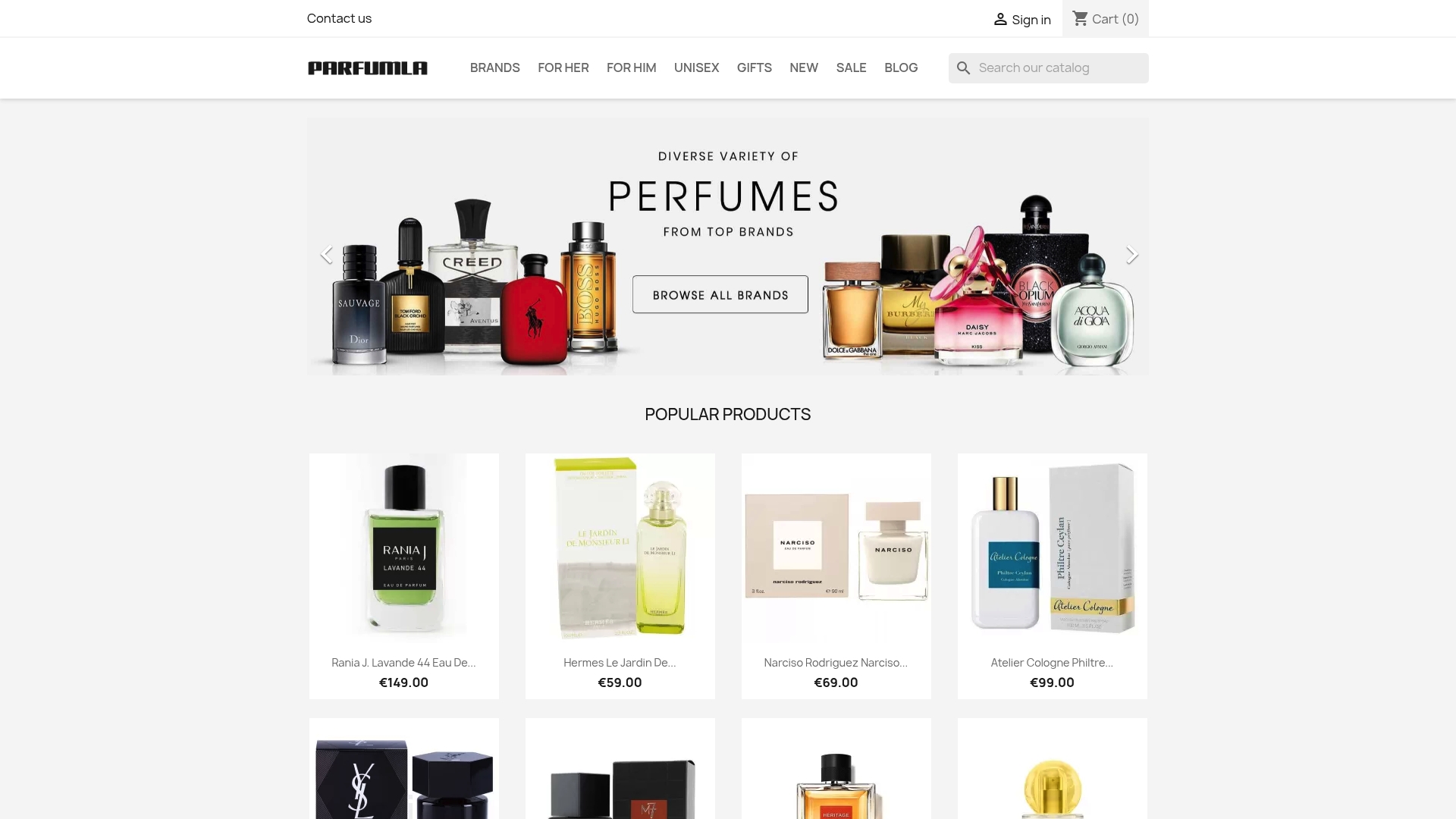
The catalog includes options across every price band covered in this guide. Whether you're looking for a designer EDP as a starting point or a niche bottle to add depth to your collection, the product pages include concentration details, size options, and current pricing. Shipping covers the U.S. and EU, and the return policy is clearly stated at checkout. Browse the full catalog at Parfumla and check the current edition of any chypre before you buy.
Useful sources for further reading
These are the most reliable references for going deeper on chypre history, note breakdowns, and reformulation tracking:
- The Perfume Society — Chypre Family: Authoritative overview of the family's structure and history, maintained by a specialist fragrance organization.
- The Perfume Society — Contemporary Chypres: Curated modern picks with editorial context.
- Allure — What Is Chypre?: Accessible explainer with expert quotes, including the clair-obscur concept.
- ScentXplore — Chypre Classics and Modern Fruitchoulis: Two-part historical and contemporary survey, useful for tracking how the family evolved.
- Everfumed — Chypre Family: Practical wear advice, seasonality guidance, and note-level descriptions.
Formulations change. Always check the current product page and batch code before purchasing, especially for vintage or discontinued editions.
FAQ
What makes a fragrance a chypre?
A chypre is defined by its three-part accord: a bergamot top note, a floral or fruity heart, and a base of oakmoss, labdanum, and patchouli. All three structural elements must be present for a fragrance to belong to the family.
What was the first chypre perfume?
François Coty's Chypre, launched in 1917, is the canonical first commercial chypre. It established the bergamot–oakmoss–labdanum blueprint that the entire family has built on since.
What is the chypre fragrance family?
The chypre family is one of the major olfactive families in perfumery, characterized by a bright citrus opening over a warm, dry, mossy base. The name comes from the French word for Cyprus, where aromatic plant blends with a similar character were historically produced.
What's the best season to wear chypre scents?
Autumn and winter are the natural home of chypres. Cooler temperatures allow the mossy, resinous base to project and develop fully; summer heat tends to flatten the accord and push sweeter facets forward instead.
Are modern chypres different from vintage ones?
Yes, meaningfully so. IFRA regulations reduced natural oakmoss use, so modern chypres rely on synthetic moss substitutes and often have a lighter, sweeter base than pre-restriction classics. Vintage bottles, when authentic, tend to feel denser and more velvety in the drydown.