
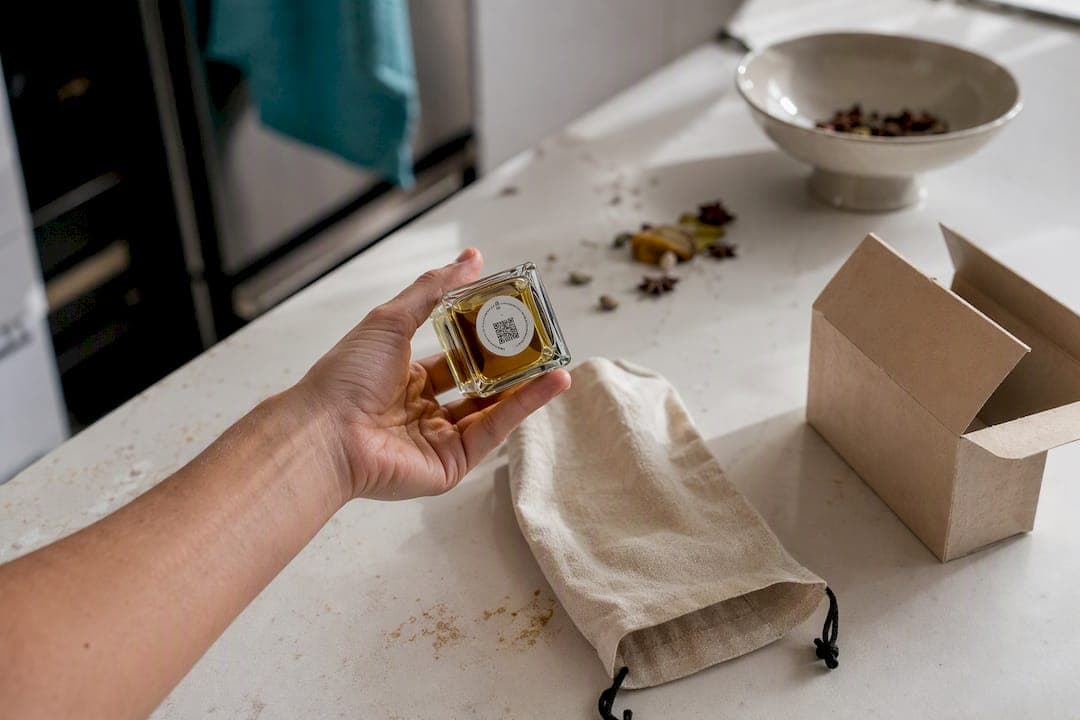
Grey market perfume is a genuine, factory-made bottle sold outside a brand's authorized distribution network, typically at 20% to 40% below retail. It's a parallel import, not a counterfeit. The real trade-off isn't authenticity, it's protection: you save money upfront but usually lose the brand's warranty and any guarantee on how the bottle was stored before it reached you.
TL;DR:
- Grey market perfumes are genuine products from the brand’s factory, often sold at 20% to 40% below retail prices due to regional pricing differences.
- Storage conditions and batch code integrity are key to quality; poor storage or missing codes increase the risk of scent alteration or relabeling.
- Buying from reputable, well-reviewed sellers with clear return policies and intact seals offers a safer way to purchase grey market fragrances.
- Customs and import regulationsvary by country, but in major markets, resale of genuine grey market perfumes is generally legal under trademark exhaustion doctrine.
- The main trade-off is losing the brand’s warranty, so confident buyers choose established sellers with transparent sourcing and reliable shipping.
Table of Contents
- What Is Grey Market Fragrance, and Why Does It Exist?
- Are Grey Market Perfumes Authentic and Legal Where I Live?
- Risks and Quality Concerns When Buying Grey Market Perfume
- How to Buy Grey Market Perfume Safely
- How Grey Market Sales Affect Brands and Pricing
- Tips for Warranty Claims and Customer Service When Buying Grey Market
- Price Benefits vs. Drawbacks: Is the Discount Worth It?
- Parfumla's Perspective on Buying Grey Market Perfume
- Where to Start Shopping on Parfumla
- Sources
- FAQ
What Is Grey Market Fragrance, and Why Does It Exist?
Grey market fragrance exists because perfume travels well and prices don't. A bottle of eau de parfum that costs €120 in Paris might wholesale for far less in a duty-free allocation in Dubai or a closeout lot in Eastern Europe. Brands set different prices by region based on local taxes, tariffs, and what the market will bear, and that gap creates room for arbitrage. Someone buys low where a fragrance is cheap, ships it where it's expensive, and undercuts the authorized price while still turning a profit.
Perfume is almost perfectly suited to this kind of trade. It's high value relative to its size, it doesn't spoil on a truck the way food does, and a single pallet can carry thousands of dollars in retail value. Industry data points to persistent regional price spreads of 20% to 40% for prestige fragrances, and that spread is the entire engine behind grey market pricing.
Grey stock typically comes from a few predictable places:
- Overproduction that brands sell off in bulk to move excess inventory
- Travel retail allocations (duty-free, airport shops) that get resold instead of consumed locally
- Regional distributors offloading stock they can't sell before a formula or packaging update
- Wholesale liquidators buying closeout lots from department stores or failed retail accounts
None of this requires anything illegal to happen. It just requires someone in the chain deciding to sell sideways instead of through the brand's preferred channel.
Are Grey Market Perfumes Authentic and Legal Where I Live?
Yes, grey market perfumes are almost always authentic, and in most major markets, buying and reselling them is legal. The confusion comes from lumping "grey market" in with counterfeits, but they're not the same thing. A grey market bottle was made in the brand's own factory, using the brand's own formula. A counterfeit is a fake, often produced in an unlicensed facility with knockoff packaging and a different scent entirely.
The legal backbone here is a doctrine called trademark exhaustion. Once a brand sells a genuine product, its trademark rights over that specific item are generally "exhausted," meaning it can legally be resold without the brand's permission. This principle underlies why parallel imports are broadly legal in the United States, much of Europe, New Zealand, and Singapore, though the details vary by country.
A few practical caveats worth knowing:
- Some countries restrict parallel imports for specific product categories or require import licensing
- Customs can detain shipments if paperwork is incomplete, even when the product itself is legal to own
- Rules differ for goods first sold outside a protected trade zone versus goods diverted from within one
If you're buying internationally in bulk or reselling commercially, it's worth checking your country's specific stance rather than assuming the US or EU rule applies everywhere.
Risks and Quality Concerns When Buying Grey Market Perfume
The real risks with grey market perfume aren't about fakes, they're about what happened to the bottle before it reached you. Perfume is chemically alive. Heat, light, and time all affect it, and a bottle that sat in an uncooled warehouse or a shipping container for a few months can smell noticeably different from one that came straight off a climate-controlled shelf.
Storage is the biggest hidden risk. Top notes, the citrus, aldehydes, and light florals you smell in the first few minutes, are the most volatile part of any formula. A guide on parallel perfume markets notes that older batches and poor storage conditions can alter how those top notes open, even though the juice inside is still genuine.
Other things worth knowing before you buy:
- Batch codes can confirm a bottle is genuine, but they can't tell you where it's been or how it was stored, and some resellers grind them off or swap boxes to obscure origin
- There's no brand-backed warranty on a grey market purchase, so your only protection is whatever return policy the retailer offers
- Some sellers slap the "grey market" label on what's actually a counterfeit, hoping buyers assume "grey market" automatically means "genuine but discounted"
Pro Tip: If a batch code has been scratched off, filed down, or is missing entirely, walk away. Legitimate discounters have no reason to hide it, and a missing code is one of the most common tells of a relabeled fake.
Unit-level tracking technology like NFC tags gives brands a much more reliable way to verify authenticity than a batch code alone, since it can confirm scan history rather than just a printed number.
How to Buy Grey Market Perfume Safely
Buying safely comes down to filtering out bad sellers before you filter for price. Here's the order that actually matters:
- Check the storefront's track record by learning how to spot genuine discount beauty products. A retailer with years of sales history, verifiable contact information, and a real returns process is a fundamentally different bet than an anonymous marketplace listing that appeared last week.
- Inspect the seal before you open anything. Genuine factory-sealed bottles have intact cellophane, consistent glue lines, and a batch code that matches what's printed on the outer box. Loose or resealed cellophane is a warning sign.
- Decode the batch code if you can. Most major houses use codes tied to production dates, and free lookup tools exist for popular brands. This tells you approximate age, not perfect provenance, but it's still useful.
- Ask where the shipment is coming from and how it traveled. A bottle shipped from a climate-controlled domestic warehouse is a safer bet than one that spent weeks in an uninsulated international container during summer.
- Compare three or four reputable discounters before buying. If one price is dramatically lower than the others, that's not a deal, it's a signal to slow down.
Reviews matter more here than almost anywhere else in retail. A seller with a long history of verified reviews and a clear, written return policy has far more to lose from selling fakes than an unverified account with no track record. Prioritize that over shaving off another few dollars.
How Grey Market Sales Affect Brands and Pricing
Grey market sales create real friction for brands, even when nothing illegal is happening. Authorized retailers who paid full wholesale price end up competing against discounted stock of the exact same product, which erodes their margins and can sour their relationship with the brand.
Brands have a few tools to push back:
- Contractual remedies against distributors who breach selective distribution agreements
- Customs actions against shipments that entered from outside a protected trade zone
- Serialization and NFC tagging that let a brand trace exactly which allocation a diverted bottle came from
The legal reality is more limited than most brands would like. Inside markets like the EEA and UK, exhaustion doctrine restricts how far a brand can go to stop resale once a product has legitimately entered that market. That's exactly why traceability technology has become the more practical lever. Unit-level tracking doesn't stop the first sale, but it helps a brand identify which distributor or region a diverted batch leaked from, so future enforcement can be targeted rather than blanket.
Tips for Warranty Claims and Customer Service When Buying Grey Market
Since the brand itself won't honor a warranty on a grey market bottle, your protection lives entirely in the retailer's own policy. Read it before you buy, not after something goes wrong.
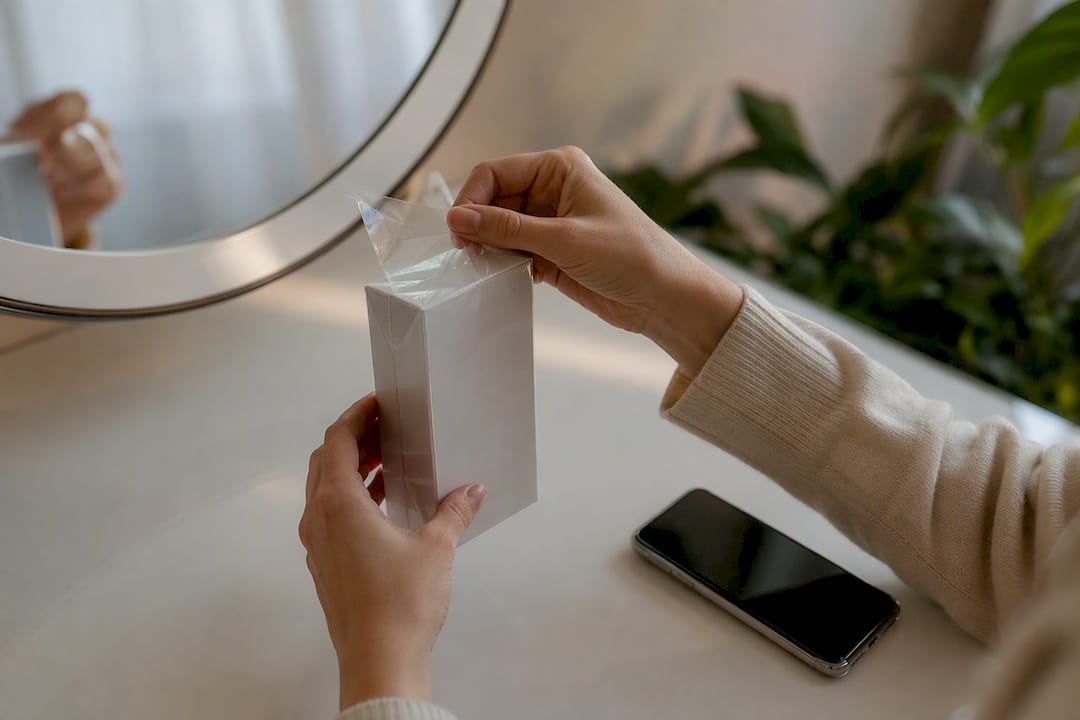
Look for a written return window, ideally 14 to 30 days, that explicitly covers issues like a damaged seal, an incorrect item, or a scent that doesn't match the batch code. Vague language like "satisfaction guaranteed" with no specifics is worth being skeptical of. A retailer confident in its sourcing will spell out exactly what qualifies for a return and what doesn't.
Save everything at the point of purchase. Photograph the sealed box, the batch code, and the cellophane before you open anything. If a dispute comes up later, this is your evidence that the product arrived exactly as described, or didn't.
Payment method matters more than people realize. Credit cards and services like PayPal offer buyer protection independent of the seller's own policy, which means you have a second line of defense if a retailer stalls on a legitimate return. Avoid direct bank transfers or untraceable payment methods for grey market purchases, even from a seller that looks established.
If you do need to escalate a claim, be specific and factual: reference the order number, the batch code, and dated photos rather than a general complaint. Sellers with real customer service teams resolve these quickly because a documented, reasonable claim is cheap for them to process. The retailers worth avoiding are the ones that go silent the moment you ask a real question.
Price Benefits vs. Drawbacks: Is the Discount Worth It?
The savings on grey market perfume are real and often substantial, frequently landing in that same 20% to 40% range seen across regional price spreads. For a fragrance you already know and love, that's meaningful money, especially on larger bottles or discontinued formulations that authorized retailers have stopped restocking.
The drawback isn't the product, it's the safety net. You're trading a manufacturer-backed warranty for a retailer-backed return policy, and those aren't equivalent. You're also accepting some uncertainty about storage conditions before the bottle reached you, which matters more for delicate, citrus-forward compositions than for heavier, resin-based ones that hold up better over time.
Here's the practical way to think about it: the discount is worth it when you're buying from an established retailer with clear batch-code transparency and a real return window. The discount is a red flag when the price is dramatically below every other seller's, the listing is vague about sourcing, or the seller has no verifiable history. Grey market isn't inherently risky. Buying from an unverified source is.
Parfumla's Perspective on Buying Grey Market Perfume
We think the grey market conversation gets muddled because people conflate "discounted" with "risky." It shouldn't be.
Our approach is simple: clear product descriptions, honest customer reviews on the product pages themselves, and reliable shipping across the US and EU so buyers know exactly what they're getting before checkout. Where we'd tell you to pay full retail instead is for true limited editions or brand-exclusive drops where verified, sealed-at-source batches matter more than the price gap. For everything else, a transparent discounter is the smarter buy.
— Parfumla
Where to Start Shopping on Parfumla
If you've read this far, you already know what to look for: sealed packaging, a checkable batch code, a real return policy, and a seller who's transparent about sourcing. That's exactly the standard Parfumla holds itself to across its catalog of 14,000-plus fragrances, priced up to 60% below retail.
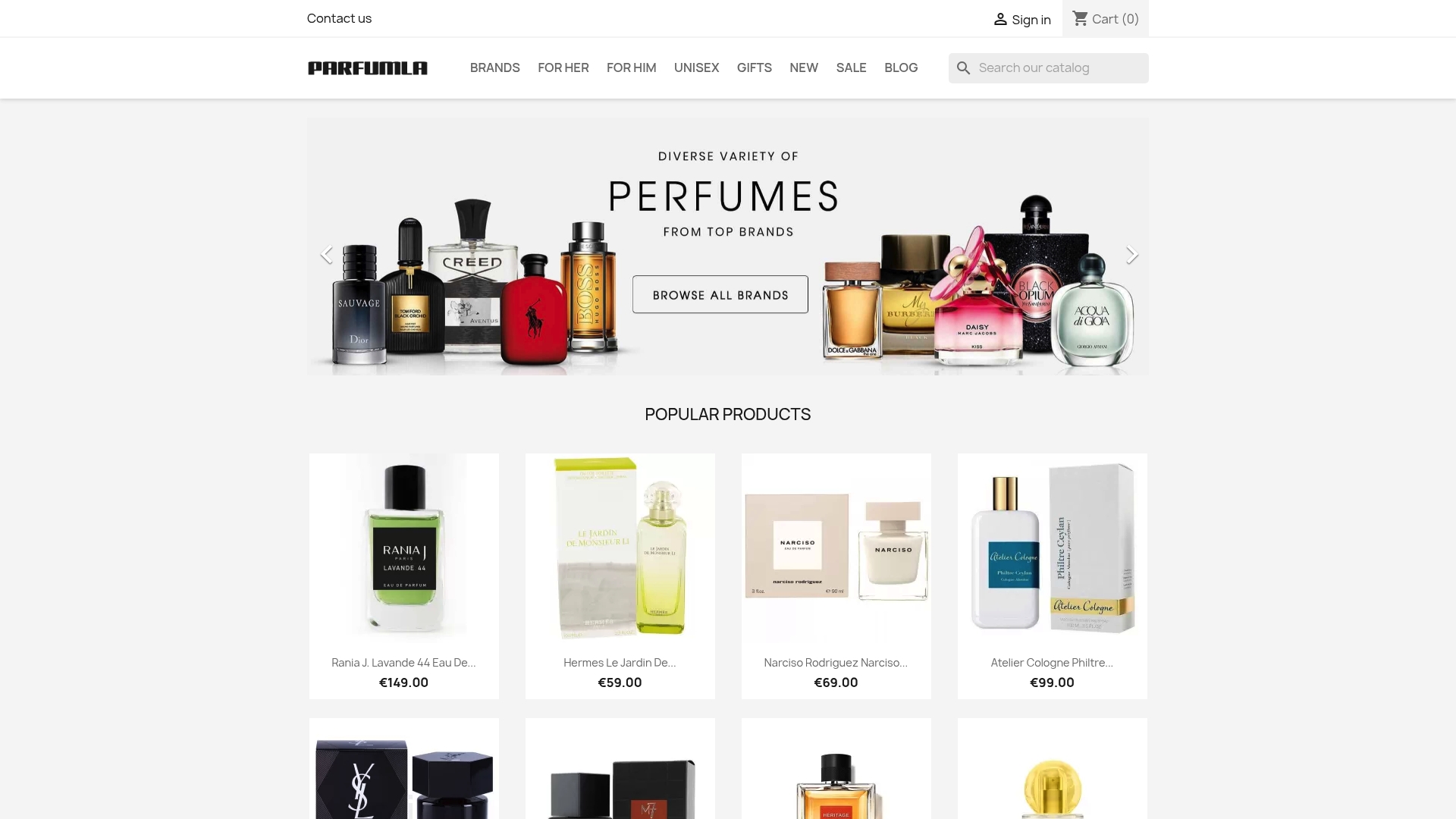
Every product page includes customer reviews and clear shipping details for the US and EU, so you're not guessing before you commit. Start by browsing a familiar name, like the NARCISO RODRIGUEZ Eau de Parfum or the CHRISTIAN DIOR J'adore Le Jasmin Summer Fragrance, and run it against the checklist above before you buy. If you want the original bottle at the best price for that fragrance, that's precisely where to buy original perfume online without the authorized-retail markup. Once the seal, batch code, and return terms check out, add it to your cart with confidence.
Sources
- INTA — Parallel Imports / Gray Market Goods (fact sheet)
- Mishcon — Is your beauty brand exhausted? How parallel imports, exhaustion, and selective distribution work in the EEA and UK
- Statista — Fragrance e-commerce (topic overview)
FAQ
What Is a Grey Market Fragrance?
A grey market fragrance is a genuine, brand-manufactured perfume sold outside the brand's authorized retail network, usually because of regional price differences or excess inventory, not because it's fake.
What Is the Best Way to Buy Grey Market Fragrance?
The safest approach is buying from an established discounter with a long sales history, visible customer reviews, and a clear return policy, like the listings you'll find across Parfumla's catalog, rather than chasing the single cheapest price on an unverified marketplace.
Are Grey Market Products Real?
Yes, grey market products are typically real and made by the actual brand. The distinction from counterfeits comes down to distribution channel, not manufacturing origin, though buyers should still confirm batch codes and intact seals.
Is It Okay to Buy From Grey Market?
In most major markets, including the US, much of Europe, New Zealand, and Singapore, buying grey market goods is legal under trademark exhaustion principles, though you take on the retailer's return policy instead of the brand's warranty.