
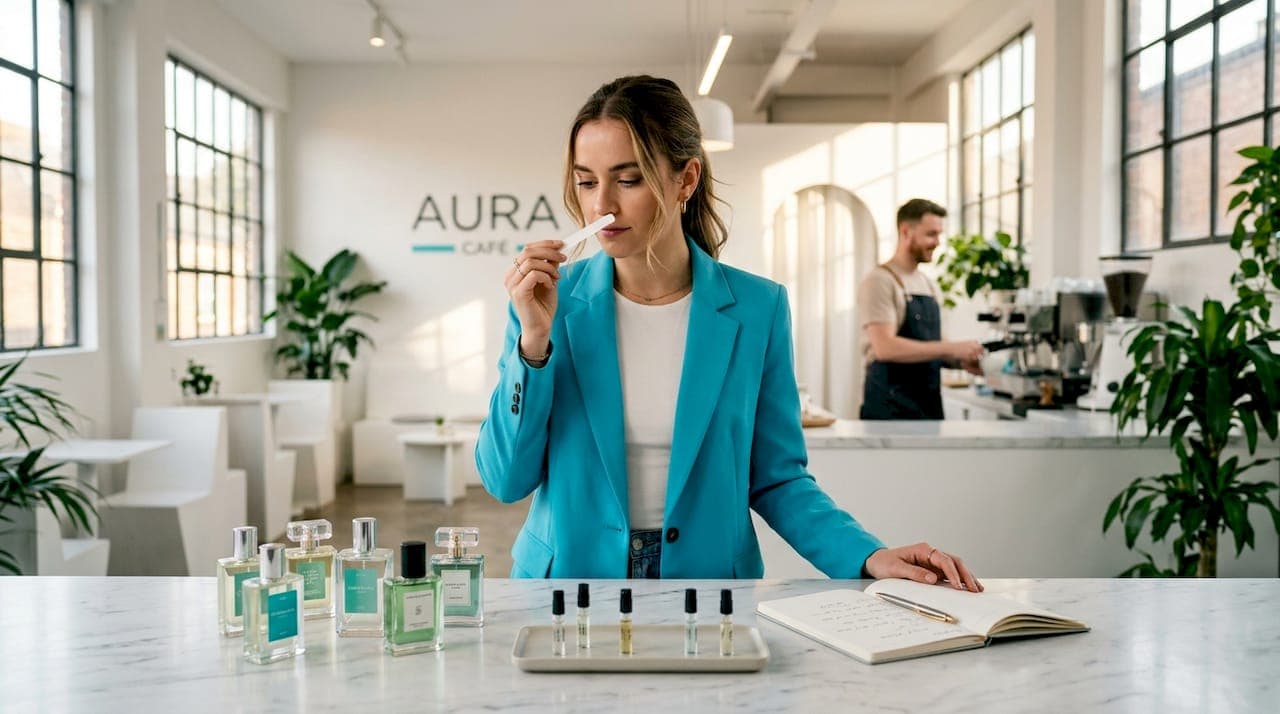
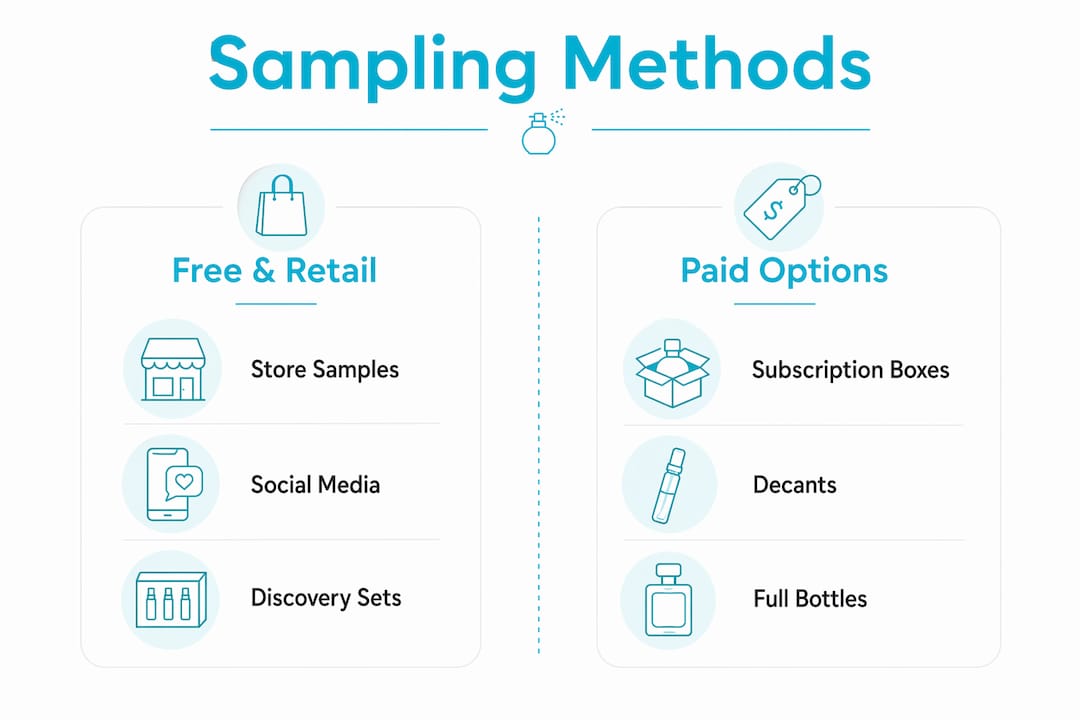
Sampling perfumes affordably means obtaining fragrance testers through free retail samples, budget subscription services, purchased decants, or curated discovery sets to avoid committing to expensive full bottles. The fragrance industry calls this practice "scent trialing," and it has become the standard approach for anyone serious about building a personal fragrance wardrobe without financial regret. Free samples from counters at Sephora, Nordstrom, and Ulta cost nothing. Subscription services like Scentbird deliver 8 mL vials for under $17 per month. Decant retailers like MicroPerfumes and ScentSplit sell individual portions starting around $4. Each method serves a different budget and lifestyle, and knowing which one fits your situation is the real skill.
How to sample perfumes affordably at retail stores
The fastest and cheapest way to start scent trialing is walking into a department store and asking for samples. Sephora, Ulta, and Nordstrom all provide free or low-cost fragrance samples, particularly during product launch events and holiday seasons. This means you can walk out with three to five samples on a single visit without spending a dollar.
The key is asking directly and politely. Beauty associates at fragrance counters are trained to offer samples as a sales tool, so your request is never an imposition. Brands like Diptyque, Lancôme, and The Body Shop regularly supply counters with sample vials specifically for this purpose. Timing your visit around a new launch increases your chances, since brands push samples aggressively during those windows.
Beyond in-store visits, brand newsletters and loyalty programs regularly mail fragrance samples to subscribers without requiring a purchase. Lancôme, L'Oreal, and The Body Shop all run programs that send samples directly to your door. Signing up takes two minutes and costs nothing.
- Visit Sephora, Ulta, and Nordstrom fragrance counters and ask for testers on new releases
- Sign up for loyalty programs at Lancôme, The Body Shop, and Diptyque for mailed samples
- Follow fragrance brands on Instagram and TikTok, where giveaways and sample promotions appear regularly
- Check brand websites for "request a sample" forms, which many luxury houses now offer
- Time store visits around launch events, holiday promotions, and Beauty Insider events at Sephora
Pro Tip: Ask for samples of two or three specific fragrances by name rather than browsing vaguely. Associates respond better to focused requests and are more likely to pull vials from behind the counter.
Social media is an underused channel for cheap fragrance sampling. Brands like Jo Malone London and Maison Margiela run periodic sample giveaways through Instagram Stories that most shoppers never see because they are not following the brand account. A quick search of fragrance hashtags on any given week will surface active promotions.
Are perfume subscription boxes worth it for budget sampling?
Perfume subscription boxes are monthly services that deliver sample-sized fragrance vials to your door, selected based on your scent preferences. They are the most structured way to explore a wide range of fragrances without visiting stores or buying full bottles.
Scentbird starts at around $16.95 per month and delivers an 8 mL vial containing approximately 120 sprays. That is enough perfume to wear daily for a full month, which gives you a genuine read on how a scent performs across different weather, occasions, and moods. Tiny counter sprays cannot replicate that experience.
Here is how to get the most from a fragrance subscription:
- Complete the preference quiz honestly. Scentbird and similar services use quiz data to match you with fragrances you are likely to enjoy, which reduces wasted months on scents that miss the mark.
- Choose services with a catalog of 500 or more fragrances. Scentbird offers access to 900-plus fragrances, covering designer, niche, and celebrity categories.
- Upgrade to two samples per month if you are actively building fragrance knowledge. The incremental cost is small relative to the discovery value.
- Use subscriber discounts on full bottles. Scentbird and comparable services offer members early access and price reductions on full-size purchases, which rewards patience.
- Cancel after three to four months if you have identified your favorites. Subscriptions are tools for discovery, not permanent commitments.
Pro Tip: Subscription services that provide sufficient spray quantity allow a true sense of longevity and dry-down, offering better purchase confidence than a single counter spray ever could.
The honest limitation of subscription boxes is that you receive what the algorithm selects, not always what you specifically want to test. If you have a specific niche fragrance in mind, decants are a better route.
Decants vs. discovery sets: which is better for affordable testing?
Decants and discovery sets are the two main ways to purchase small fragrance quantities directly. Both solve the same problem. They let you test a scent properly before committing to a full bottle. The difference is in how they are structured and what they cost.
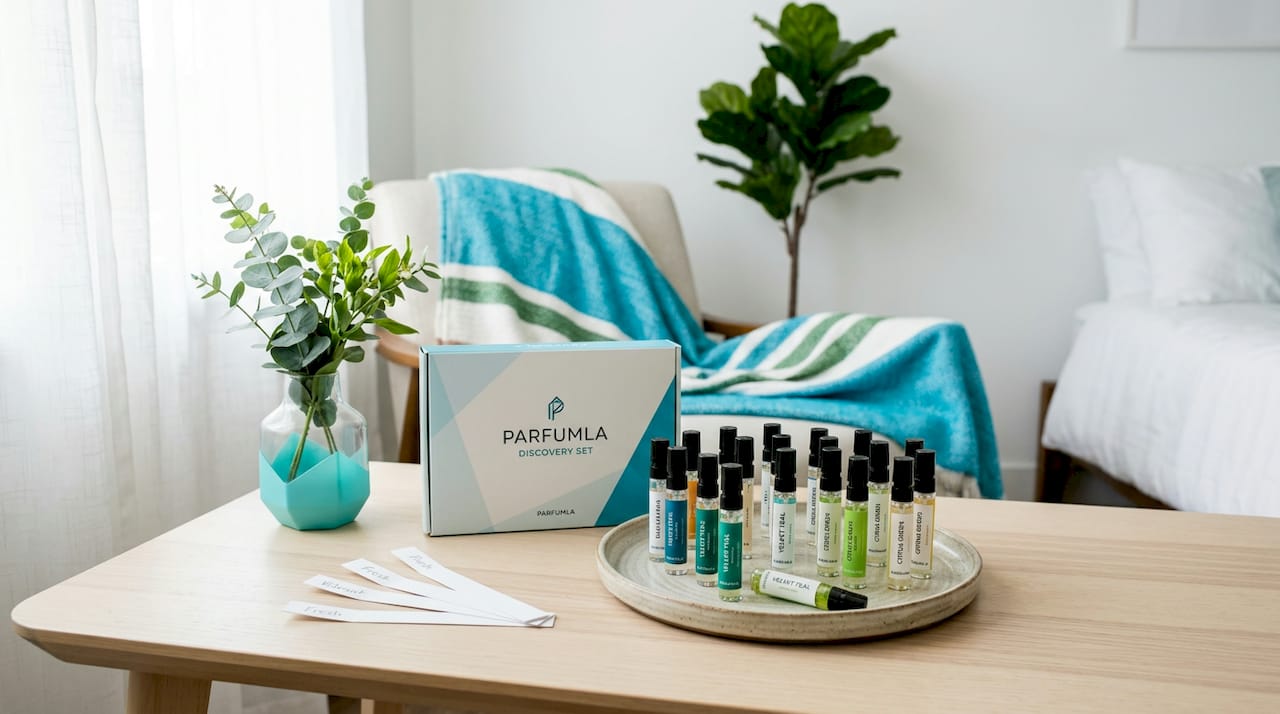
A decant is a small portion of a fragrance transferred from a full bottle into a smaller vial, typically by a specialist retailer. Decants typically cost $4 to $6 for 0.05 ounces, which makes them the most targeted and affordable way to test a specific scent you already have in mind. MicroPerfumes and ScentSplit both maintain large decant libraries covering hundreds of designer and niche fragrances, with occasional free shipping thresholds.
A discovery set is a curated collection of samples assembled by a brand or retailer, usually themed around a fragrance family, season, or brand portfolio. Brands like Maison Margiela, Byredo, and Hermès sell official discovery sets that include five to ten miniatures with a credit toward a full bottle purchase.
| Option | Cost range | Best for | Limitation |
|---|---|---|---|
| Decants | $4 to $6 per vial | Testing a specific known fragrance | Requires knowing what you want |
| Discovery sets | $25 to $75 per set | Exploring a brand's full range | Higher upfront cost |
| Subscription boxes | $17 per month | Broad discovery across many brands | Less control over selections |
The practical rule is simple. Use decants when you have a specific fragrance in mind. Use discovery sets when you want to explore a brand's full range in one purchase. Use subscriptions when you want ongoing variety without doing research upfront.
Authenticity is the one risk with decants. Stick to established retailers like MicroPerfumes and ScentSplit rather than individual sellers on secondary marketplaces. Reputable decant retailers source from sealed bottles and describe their sourcing practices clearly.
Smart strategies for testing fragrances without wasting samples
Budget sampling success depends on controlled, repeatable testing methods to accurately evaluate a scent's performance. Most people test perfume wrong, which leads to poor purchase decisions regardless of how affordably they sourced the sample.
- Apply one fragrance per session to a single pulse point, either the inner wrist or inner elbow
- Use blotter strips for initial screening before applying anything to skin
- Wait 15 to 30 minutes after application to evaluate the dry-down, which is where the true character of a fragrance reveals itself
- Avoid rubbing your wrists together after applying, since friction breaks down the top notes and distorts the opening
- Limit skin testing to two or three fragrances per day to prevent olfactory fatigue
- Keep a simple notebook or phone note with your impressions, the date, and the conditions
Pro Tip: Test the same fragrance on two separate days before deciding. Skin chemistry, diet, and humidity all affect how a perfume smells on you specifically. One test is never enough for a confident purchase decision.
Storing sample vials correctly extends their useful life. Keep them away from direct sunlight and heat, which degrade fragrance compounds quickly. A small drawer or box works fine. Properly stored, a 1 mL sample vial will last six to twelve months without significant scent change.
Applying a consistent amount to the same body site across multiple test sessions produces reliable comparisons. One spray per session is enough for evaluation purposes. Two sprays introduce variables that make it harder to rank fragrances against each other accurately.
Key takeaways
Sampling fragrances affordably requires combining free retail sources, subscription services, and targeted decant purchases with disciplined testing habits to make every sample count.
| Point | Details |
|---|---|
| Free retail samples cost nothing | Ask directly at Sephora, Ulta, and Nordstrom counters, especially during launch events. |
| Subscriptions deliver real-wear testing | Scentbird's 8 mL vials provide enough for a full month of daily wear at under $17. |
| Decants target specific fragrances | MicroPerfumes and ScentSplit offer individual portions from $4, ideal for focused testing. |
| Testing method determines accuracy | Apply one scent per session, wait 30 minutes, and never rub your wrists. |
| Notes prevent repeat mistakes | Logging impressions and longevity stops you from re-testing fragrances you have already evaluated. |
What I have learned from years of budget fragrance sampling
The single biggest mistake I see new fragrance explorers make is treating sampling as a shortcut to buying rather than as a discipline in itself. I spent two years cycling through subscription boxes before I realized I was collecting impressions without actually making decisions. The samples were affordable. The indecision was expensive.
My honest recommendation is to pick one method and commit to it for three months. If you are a complete beginner, start with free counter samples at Sephora or Nordstrom. You will quickly learn which fragrance families you respond to, which is information no quiz can give you as accurately as your own nose. Once you know whether you lean toward woody orientals, fresh aquatics, or floral musks, you can use decants to test specific fragrances within that family.
Subscription boxes are genuinely useful, but only if you treat them as an education rather than entertainment. I kept a spreadsheet for six months tracking every sample I received, my rating on day one versus day seven, and whether I would buy a full bottle. That data told me more about my preferences than any fragrance quiz ever did.
The one thing I wish someone had told me earlier: the dry-down matters more than the opening. Almost every fragrance smells appealing in the first five minutes. The real character shows up after thirty minutes, and that is the version you will actually wear. Never buy based on a counter spray. Always wait.
— Hamster777
Explore affordable fragrances at Parfumla
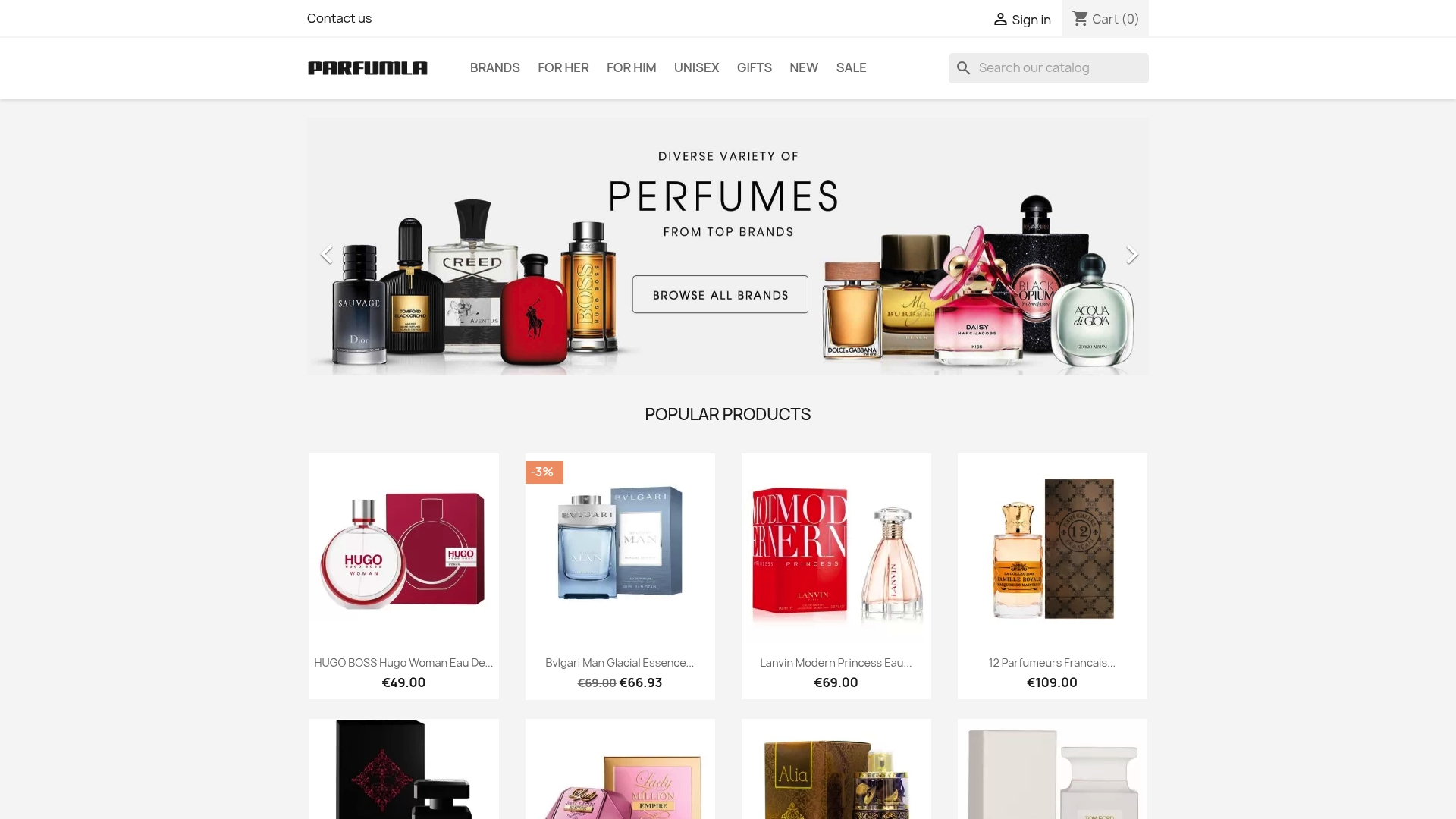
Once you have identified your favorite scents through sampling, Parfumla makes the next step straightforward. The site carries over 14,000 fragrances, including designer, niche, and celebrity options, with prices up to 60% below retail. Whether you have fallen for a classic like Calvin Klein Downtown or want to invest in a niche pick like Ex Nihilo Venenum Kiss after sampling, Parfumla stocks both with detailed reviews to confirm your choice. Check the current price drops page for rotating discounts on top sellers, which regularly brings full bottles into impulse-buy territory. Shipping covers both the US and EU, so your next full bottle is never more than a few clicks away.
FAQ
What is the cheapest way to get perfume samples?
Visiting fragrance counters at Sephora, Ulta, or Nordstrom and asking for samples is the cheapest method since it costs nothing. Signing up for brand loyalty programs at Lancôme or The Body Shop also delivers free samples by mail.
How much do perfume decants cost?
Decants typically cost $4 to $6 for a 0.05-ounce vial from retailers like MicroPerfumes and ScentSplit. That price point makes them the most affordable way to test a specific fragrance you already have in mind.
Are perfume subscription boxes worth the money?
Subscription services like Scentbird deliver 8 mL vials with around 120 sprays for under $17 per month, which provides enough wear time to evaluate longevity and dry-down accurately. They are worth it for broad discovery but less efficient if you already know which specific fragrances you want to test.
How many perfumes should you test in one session?
Limit skin testing to two or three fragrances per session to avoid olfactory fatigue. Use blotter strips for initial screening before committing any scent to skin.
How do you test a perfume sample correctly?
Apply one spray to a single pulse point, avoid rubbing the skin, and wait at least 15 to 30 minutes before evaluating. Testing the same fragrance on two separate days gives the most reliable read on how it performs on your specific skin chemistry.