
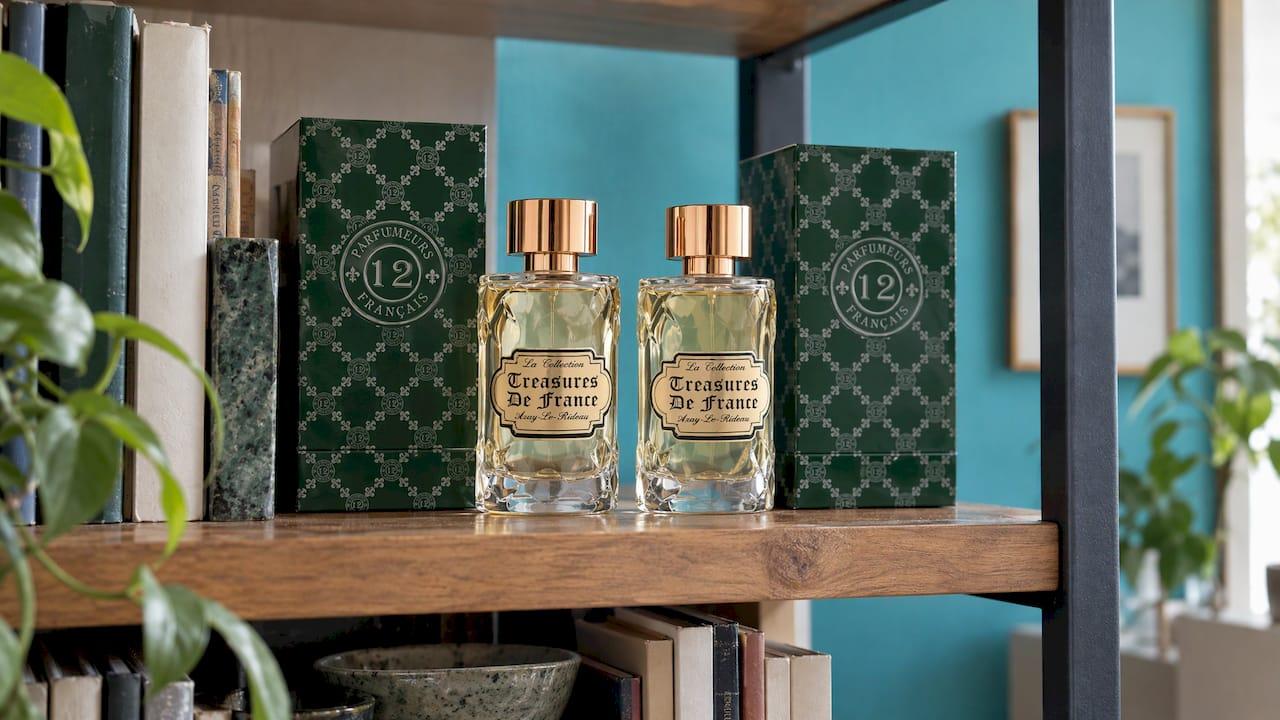
Two bottles of the same perfume can smell slightly different because they came from different production runs, from different harvests of natural ingredients, or because one has aged longer than the other. That is batch variation, and it is usually small. A bigger, lasting change points to a reformulation, to storage damage, or occasionally to a bottle that is not genuine. This guide shows how to tell which one you are dealing with, and why buying from a retailer that sources authentic stock makes the comparison far easier. At Parfumla, our catalog of more than 14,000 perfumes is sourced from trusted distributors with 100% authenticity as the standard, so when a bottle smells a little different, you are comparing real batches of the real thing.
TL;DR
- Batch variation means small differences between production runs of the same fragrance. Natural materials such as rose, jasmine, citrus and sandalwood change from harvest to harvest.
- A reformulation is a deliberate change to the recipe, often driven by ingredient restrictions. It is a different thing from batch variation and tends to be more noticeable.
- Heat, light, air and age change a perfume in the bottle. Compare a new bottle with an old opened one and you are not comparing batches at all.
- Compare on paper blotters first, on a rested nose, before you decide anything about the skin.
- A batch code dates a bottle. It does not prove a perfume is real or fake.
Table of Contents
- What batch variation actually is
- Batch variation, reformulation, aging or a fake: how they differ
- Why a perfume changes inside the bottle
- Is it your skin, your nose, or the bottle?
- What a batch code can and cannot tell you
- When the difference is more than a batch
- Perspective
- Buying so you can compare with confidence
- FAQ
- Sources
What batch variation actually is
A batch is one production run of a fragrance: one mixing, one filling session, one set of raw material lots. Batch variation is the small difference you can get between two such runs of a perfume sold under the same name and concentration. It is not the same as a planned reformulation, and it is not the same as the difference between an eau de toilette and an eau de parfum.
The cause starts in the ingredients. Many fragrances contain natural materials, and rose, jasmine, citrus and sandalwood vary from harvest to harvest. Reputable houses work to keep their perfumes consistent, but minor differences between batches are not uncommon. One perfumer quoted in that report compares it to wine vintages: a harvest of rose or citrus is never quite the same twice.
The variation also builds up along the production chain. According to LAEYO Labs, scent drift is rarely one error. It is more often a set of small variances: raw materials that differ by harvest, region and processing, synthetic materials that differ slightly in purity, dilution, mixing time and temperature, and maturation changes that only show weeks or months later.
For a shopper, the practical meaning is simple. If the new bottle opens a touch brighter, a touch greener or a touch softer, that alone does not mean something is wrong.

Batch variation, reformulation, aging or a fake: how they differ
Four different things get lumped together when someone says "my perfume smells different." They have different causes and different clues.
| What it is | What causes it | What you usually notice |
|---|---|---|
| Batch variation | Different raw material lots, small process differences between runs | Subtle: a slightly different top note, a shade of difference in color |
| Reformulation | A deliberate change to the recipe | Consistent change across bottles of the newer version, sometimes a different drydown |
| Aging or damage | Heat, light, air, time in the bottle | Weaker top notes, a darker liquid, a duller or sharper smell |
| Counterfeit | Not made by the brand | Poor longevity, off smell, packaging flaws |
The distinction between the first two matters. Fragrans describes reformulation as a deliberate change to the target recipe, and batch variation as variability between production lots that quality control monitors. It also notes that a batch code, or one opening that smells off, does not prove the formula changed.
Why reformulations happen
Brands change recipes when a material becomes restricted, hard to source, or too variable. Ingredient rules are a big driver. The Fragrantica column Dear Fragrantica explains that allergen labelling began in 1999 with 26 listed ingredients, including oak moss and methyl ethyl ionone, and that 2005 and 2008 were decisive years that pushed a wave of reformulations of classic and 1990s best-sellers, often with little notice. If you want to know what those listed allergens are and how to read them on a label, our guide to the perfume allergens list walks through it.

One caution from the same Fragrans piece: hearing that a rule was issued does not prove every named perfume changed. Which material, product category and date were affected has to be established separately. A rule about an ingredient is a reason to suspect a change, not proof of one.
Why a perfume changes inside the bottle
Before blaming the batch, consider time. Perfume keeps changing after it is filled.
Fragrantica's article on fragrance maturation says light, effervescent citrus notes are the first to fade, leaving a duller, heavier formula. It cites Chanel Pour Monsieur losing its top-note lift over time, and old Shalimar bottles showing a resinous, leathery quality as natural bergamot dulled with age.
Heat, light and air speed this up. Fragrans points to 1987 experiments by Blakeway and colleagues showing that air, heat and daylight can accelerate certain chemical aging paths in perfume. So an old opened bottle held up against a new sealed one is not a controlled comparison. That is the single most common reason a reader's "new batch" feels different from "my old bottle."
Storage that keeps a bottle consistent
Perfumer Nick Gilbert, co-founder of the fragrance studio Olfiction, gave Basenotes his advice: wear the fragrance and finish the bottle, and keep it cool and dark. He also recommends refrigerating citrus scents you want to keep for the long term. He says spraying a bottle to "let air in" is oxidation, not maceration, and starts degradation, with the lighter, more volatile materials going first.
For a practical routine:
- Keep bottles in their boxes or a drawer, away from windows and bathroom steam.
- Avoid leaving a bottle in a car or on a sunny shelf.
- Keep the cap on and the sprayer clean.
- For a citrus-heavy scent you plan to keep for years, see our guide on whether to refrigerate perfume.
Perfume also reacts with what it touches, which is why your jewelry can change too, as this look at perfume and sterling silver explains. For how quickly quality can slip and how to buy so you are not storing stock for years, read how perfume quality drops over 1 to 5 years.
Is it your skin, your nose, or the bottle?
Before you decide a batch is different, rule out the variables on your side. Skin temperature, hydration, recent skincare products and nose fatigue all change how a fragrance reads. Scent perception is also tired by repeated sniffing within a few minutes.
A fair comparison looks like this:
- Rest your nose. Do the test on a different day than the one you first noticed the change, and away from other strong smells.
- Use blotters first. Spray both bottles on separate paper strips, labeled, from the same distance. Smell them at the same moments: right away, after ten minutes, after an hour.
- Move to skin only if the strips differ. If the blotters smell the same, the change you noticed is probably your skin, your mood or your environment.
- Compare like with like. Same concentration, same size and, as far as possible, similar age and storage.
- Note what exactly differs. Is it the opening, the heart, the drydown or the strength? Batch variation tends to touch the top and the intensity. A change across the whole arc suggests more than a batch.
Our step-by-step guide to testing perfume properly covers the routine in more detail.
Testers are not a benchmark for the bottle
A frequent surprise is that a boxed bottle smells different from the tester on the shop counter. The CNA Lifestyle report linked above covers why a new perfume may not smell like the store tester. Testers are also handled and stored differently, so see tester vs retail perfume before using one as your reference.
What a batch code can and cannot tell you
Most bottles carry a short batch code, usually printed or etched on the base and repeated on the box. It is not the barcode. The barcode identifies the product and is the same on every bottle; the batch code marks the production run.
What the code is useful for:
- Dating the bottle. For many houses a decoded batch code gives a production month and year, which helps you tell whether two bottles are from different eras.
- Matching bottle and box. If the code on the bottle and the box differ, that is worth looking into.
- Giving a reference to a retailer or the brand if you need to ask about a specific run.
What it cannot do: prove authenticity on its own. A real code can be copied onto a fake, and a missing or unreadable code does not by itself mean a fake. Our 60-second batch code check lays out four steps and where to decode a code for the major houses.
A different batch code between your two bottles is also the normal state of affairs. Two bottles from two production runs will not share a code, and that alone says nothing about quality.
When the difference is more than a batch
Batch variation is usually subtle. Consider something else when:
- The difference is large and shows up in every bottle of the newer release, which points to reformulation.
- The liquid has darkened noticeably, the top notes are flat or sour, and the bottle is old or was stored warm. That points to degradation.
- The packaging, print quality, cap or sprayer looks off, the code is inconsistent, or the price was far below what the same item sells for elsewhere. That is a reason to be careful about where the bottle came from.
Sourcing is the part you control. Buy from a seller whose stock comes from trusted distributors, so that when you notice a change you can narrow it to batch, age or storage rather than wondering about authenticity. For context on why prices for the same fragrance differ so widely, see our 2026 guide to perfume price differences.
Perspective
Batch variation is a normal part of working with natural materials, and most of the time it is a nuance, not a flaw. A rose from one harvest is not the rose from the next. What matters to a buyer is knowing that the bottle in the box is the real thing, so any difference you notice is a real batch difference and not a question mark about the product.
That is why we focus on authentic stock from trusted distributors and a wide range, from household names like Gucci to rare creations from houses like Creed. We also offer travel sprays and samples, so you can get to know a scent before committing to a full bottle, and compare how it wears over time.
Our advice to enthusiasts and first-time buyers alike: judge a fragrance on blotters first, store it cool and dark, and keep the box and batch code. If you love a scent, a spare bottle from the same source is the easiest way to know what you are comparing.
Parfumla
Buying so you can compare with confidence
If you are replacing a favorite and want to know what you are getting, start with a source that guarantees authenticity and ships reliably across the US and EU. Browse the women's, men's and unisex collections, or the gift selection if you are shopping for someone else. Travel sprays and samples let you try a scent first, which is a sensible way to confirm that a new bottle matches your memory of the old one.
You can start at the Parfumla store and find your fragrance among more than 14,000 perfumes, from popular and celebrity scents to luxury and niche.
FAQ
Why does my perfume smell different from the last bottle?
The most likely reasons are a different production batch, a natural-ingredient difference between harvests, or age and storage of the older bottle. Compare both on paper blotters, from a rested nose, before you decide. If the blotters match, your skin or nose is the variable.
Is a different batch code a sign of a fake?
No. Every production run has its own code, so two genuine bottles bought months apart will normally carry different codes. A code is useful for dating a bottle, but it cannot prove a perfume is real on its own, because a code can be copied.
Can a perfume change after I open it?
Yes. Air, heat and light speed up chemical aging, and the light top notes fade first. Keep the bottle capped, cool and out of sunlight, and use it rather than letting it sit for years.
What is the difference between reformulation and batch variation?
A reformulation is a deliberate change to the recipe, often because an ingredient is restricted or hard to source. Batch variation is the small run-to-run difference from raw material lots and production conditions within the same recipe. A reformulation is usually more noticeable and consistent across bottles.
Sources
- Why your new perfume doesn't smell like the store tester (CNA Lifestyle)
- Golden Sample Control for Perfume: How to Prevent Scent Drift Between Batches (LAEYO Labs)
- Perfume Reformulation vs Batch Variation (Fragrans)
- Dear Fragrantica: Why Does My Favourite Perfume Smell Different?
- Dear Fragrantica: How Does Fragrance Maturation Work?
- Stop 'home macerating' your shop-bought perfume (Basenotes)