
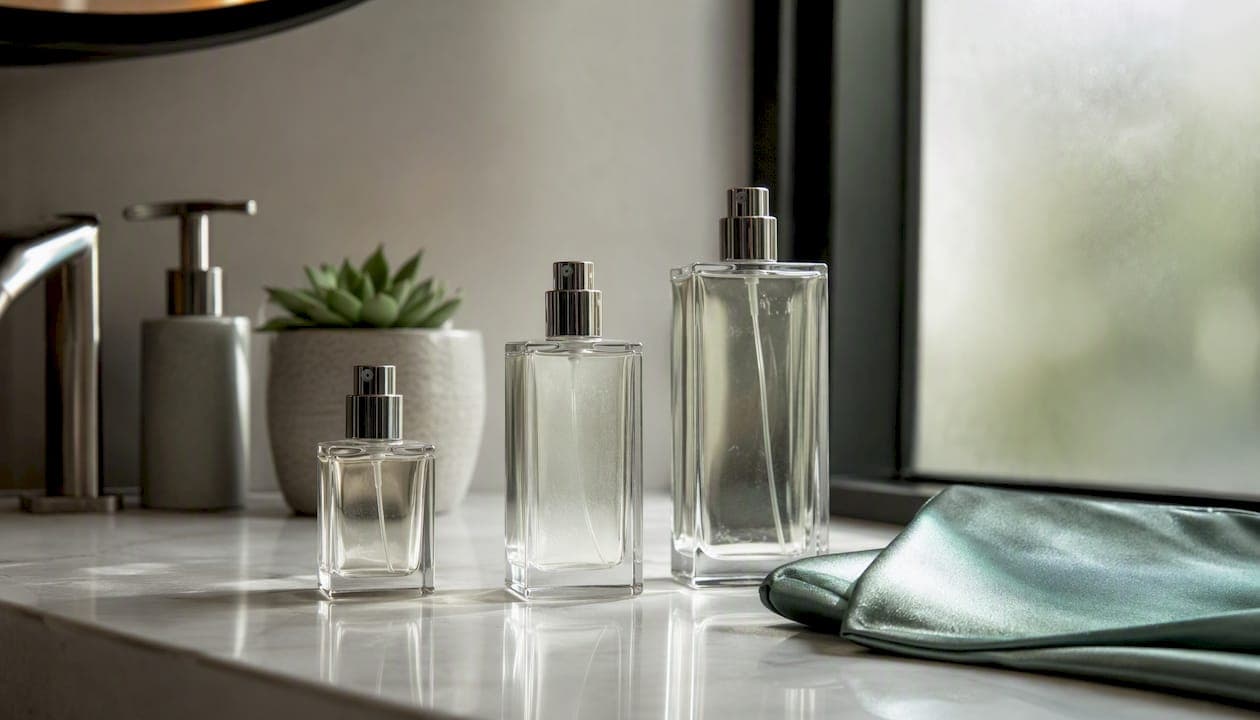
Perfume bottle sizes run in a predictable ladder: 5ml and 10ml minis, 30ml (1 fl oz), 50ml (1.7 fl oz), 75ml (2.5 fl oz), 100ml (3.4 fl oz), and 200ml refill jugs at the top. For most people, medium size is often the sweet spot between price and staying power. If you already know a scent is your signature, buy 100ml and lower your cost per milliliter. If you're testing something new or packing for a trip, stay at 30ml or under.
Two numbers matter before you buy anything. The Transportation Security Administration caps carry-on liquids at 100ml, or 3.4 fl oz, per container, which is exactly why 100ml became the industry's unofficial "full-size" line. And 1 fl oz equals roughly 29.57 milliliters, which is why brands round it to 30ml on the label.
- Traveling or sampling? Go 5ml to 30ml.
- Rotating a few scents daily? 30ml to 50ml covers you.
- Confirmed favorite, wearing it for years? 100ml wins on cost per milliliter.
- Building a home collection or refilling atomizers? Look at 125ml to 200ml.
Key Takeaways
Bottle size doesn't change a fragrance's strength or quality. It changes your cost per milliliter, how easily you can travel with it, and how fast it might oxidize once opened.
| Point | Details |
|---|---|
| Travel and testing | Choose 5ml to 30ml to stay under the TSA carry-on limit and avoid overcommitting to an unproven scent. |
| Daily rotation | 30ml to 50ml balances cost and freshness for fragrances worn several times a week. |
| Signature scent | 100ml and above offers the lowest cost per ml once you've confirmed you'll finish the bottle. |
| Carry-on rule | TSA caps liquids at 100ml (3.4 fl oz) per container, so bottles above that size require checked luggage. |
| Where to buy | Parfumla offers both full-size and travel-friendly bottles across 14,000-plus fragrances at up to 60% off retail. |
Table of Contents
- What Are the Standard Perfume Bottle Sizes?
- Which Size Fits Your Actual Habits?
- Does a Bigger Bottle Change Cost, Concentration, or Longevity?
- How Do You Decide Which Bottle to Buy?
- How Much Perfume Can You Bring on a Plane?
- How Should You Store Perfume by Bottle Size?
- Are Sample Vials and Decants Worth Buying Instead?
- What's the Smartest Size to Buy First?
- Where to Buy Full-Size and Travel-Size Perfume Online
- Sources
- FAQ
What Are the Standard Perfume Bottle Sizes?
Fragrance brands didn't coordinate on sizing, but decades of retail convention have settled into a fairly consistent chart. Once you know the numbers, comparing two bottles side by side takes seconds instead of guesswork.
Spray counts here follow the industry rule of thumb of roughly 1 milliliter per 10 sprays, though atomizer design and spray-button pressure shift that number a bit from bottle to bottle. A fine-mist perfume atomizer sprays finer and uses less liquid per pump than a heavier eau de toilette pump, so treat these as planning estimates rather than guarantees.
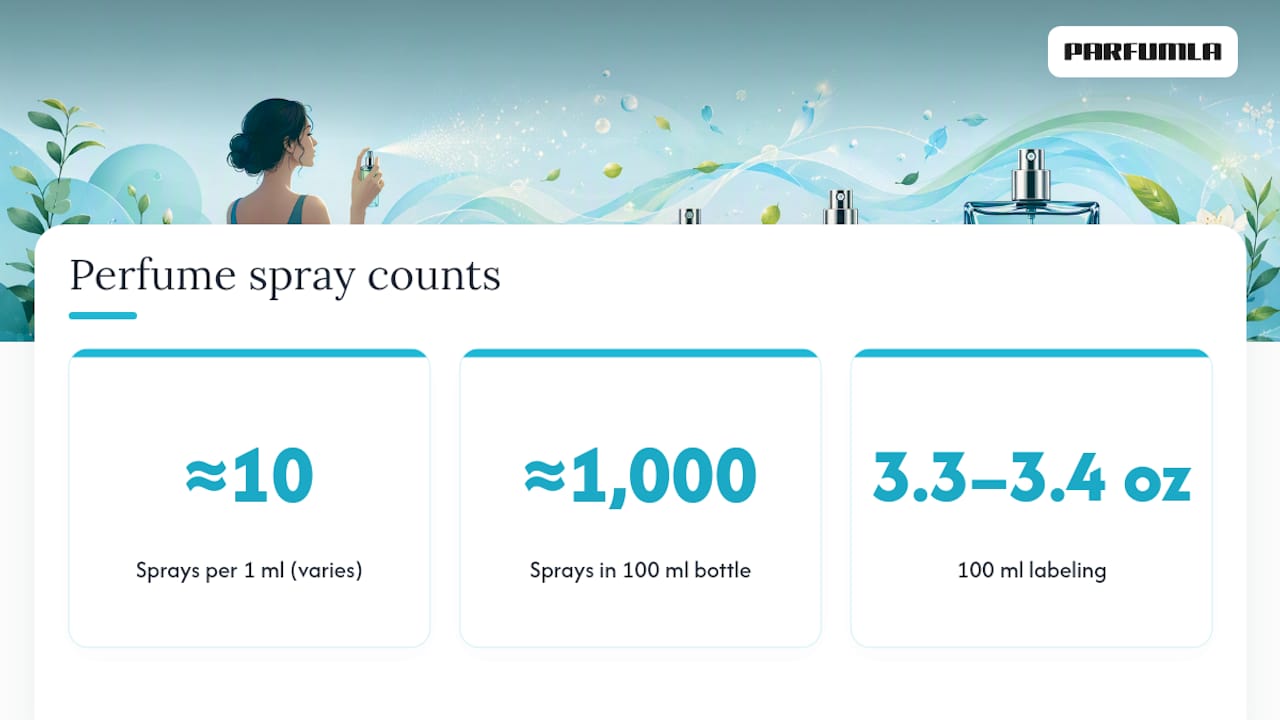
You'll also see bottles labeled "3.3 oz" and others labeled "3.4 oz" for what's functionally the same 100ml bottle. That's not a packaging error. It's just two different rounding conventions applied to the same 29.57ml-per-fluid-ounce conversion, and both labels describe a bottle that sits right at the TSA carry-on threshold.
Which Size Fits Your Actual Habits?
Bottle size decisions come down to one honest question: how often will this specific scent actually leave the shelf? A fragrance you wear five days a week deserves a different bottle than one saved for a single date night.
- Sample and testing range (1ml to 15ml): Ideal before you spend real money on something you've only smelled on a paper strip. A 2ml sample gets you roughly 20 wears, enough to know if it survives your body chemistry through a full day.
- Travel range (10ml to 30ml): Built for carry-on compliance and gym bags. A 10ml atomizer holds about 100 sprays, plenty for a two-week trip at two sprays a day.
- Everyday range (30ml to 50ml): The workhorse zone. Someone using four sprays a day burns through roughly 40 sprays a week, which means a 50ml bottle (around 500 sprays) lasts close to a year of steady wear.
- Signature scent range (100ml and up): For the fragrance you've already committed to. At moderate daily use, 1,000 sprays may last over a year, and the price per milliliter usually drops noticeably compared to buying three 30ml bottles over that same stretch.
- Refill and collector range (125ml to 200ml): Common for value lines or home fragrance refills rather than pocket-carry bottles.
Here's a case worth running the numbers on: an office worker wearing a fragrance at two sprays each morning uses about 60 sprays a month. A 50ml bottle at roughly 500 sprays lasts over eight months. Double that to four sprays a day for a stronger presence, and the same bottle lasts about four months instead. Frequency changes everything, and it's worth estimating your own spray habits before comparing prices per bottle.
Does a Bigger Bottle Change Cost, Concentration, or Longevity?
No. Bottle size affects your wallet and your habits, not the chemistry inside. A larger bottle doesn't mean stronger juice, longer-lasting sillage, or a different concentration. Eau de parfum in a 30ml bottle is chemically identical to the same eau de parfum in a 100ml bottle from the same batch.
What size does change is cost efficiency. Larger bottles almost always lower your price per milliliter, because packaging and manufacturing overhead get spread across more product.
Quick math: At 10 sprays per milliliter, a 30ml bottle delivers about 300 sprays, a 50ml bottle about 500, and a 100ml bottle about 1,000. If a 30ml bottle costs $60 and a 100ml bottle of the same fragrance costs $120, the price per milliliter is lower for the larger bottle.
Those dollar figures are illustrations, not quotes from any specific product, but the pattern holds across most fragrance lines. The catch is obvious once you say it out loud: cost per ml only pays off if you actually finish the bottle. Fragrance changes character over years of exposure to air and light, so a 100ml bottle of a scent you wear twice a month risks going stale before you reach the halfway mark.
How Do You Decide Which Bottle to Buy?
Run through this checklist before you check out, especially if you're eyeing a size you haven't bought before.
- How often do you actually wear it? Daily wear justifies 50ml or larger. Occasional or seasonal wear favors 15ml to 30ml.
- Is this a proven favorite or a new discovery? Confirmed signature scents earn the 100ml upgrade. Anything untested starts as a sample or 30ml bottle.
- Are you traveling with it? If yes, stay under the 100ml carry-on ceiling, and consider a dedicated 10ml to 20ml travel atomizer instead of hauling your full-size bottle.
- What's your budget ceiling right now? A 100ml bottle costs less per milliliter but more upfront. If cash flow matters more than long-term value, 50ml balances both.
- How and where will you store it? Bathrooms with heat and humidity shorten shelf life faster than a cool closet drawer, which matters more the longer a large bottle sits half full.
Watch for a few red flags before buying big. Never commit to a large bottle of a fragrance you haven't worn for at least a full day, since dry-down and skin chemistry change everything hours after application. Limited-edition packaging is often non-refillable and sometimes discontinued fast, so a giant bottle of a flanker release can become an orphaned product if you don't love it. And always double-check volume labels on resale or gift-set listings. Some sets bundle a 5ml with a 50ml and print only the combined weight.
Pro Tip: Bottles are rarely filled to their exact rated capacity. Manufacturers build in extra headspace, called brimful capacity, so liquid has room to expand in heat without leaking. That's good news for travel in hot climates, but it also means a "100ml" bottle might read slightly under that mark on the fill line. That's normal, not a shortage.
If you're still unsure, buy a sample or decant first. It's the cheapest insurance against a $150 bottle of regret.
How Much Perfume Can You Bring on a Plane?
The rule is straightforward: carry-on liquids, including perfume, are capped at 100ml or 3.4 fl oz per container under TSA guidance, and each container has to fit inside a single clear, quart-sized bag along with your other liquids. A 100ml bottle fits right at the limit; a 125ml or larger bottle does not, no matter how much liquid is actually left inside it. Bottle labels count, not remaining volume.
- Pack liquids in the clear quart-sized bag, sealed, and keep it accessible for screening.
- A refillable travel atomizer in the 5ml to 15ml range is often more practical than carrying a bulky retail bottle just to stay under the limit.
- If flying in extreme heat, remember that brimful capacity gives a little breathing room, but a fully sealed glass bottle can still crack under pressure changes if packed carelessly.
- Larger bottles (125ml and up) are fine in checked luggage, but wrap them in clothing or a padded case. Checked bags get thrown, not placed.
For a full packing walkthrough, Parfumla's guide on how to pack perfume for travel covers TSA-safe steps in more detail than the airport line has patience for.
How Should You Store Perfume by Bottle Size?
Fragrance degrades from heat, light, and oxygen exposure, not from a printed expiration date. How you store a bottle affects its lifespan more than the bottle size itself, though size does change how much air sits inside once you start using it.
- Keep bottles in a cool, dark place. A bedroom drawer or closet shelf beats a sunlit windowsill or a steamy bathroom cabinet.
- Store bottles upright to reduce prolonged contact between liquid and cap seals.
- Keep the cap or atomizer closed tightly between uses to limit oxygen exposure.
- For daily-use bottles, a bathroom shelf is fine short-term, but the humidity and temperature swings add up over a year or two.
- For rarely-worn scents, a closet or drawer preserves quality far longer than a bottle left out on a vanity tray.
Here's the part most people miss: a large bottle with a lot of headspace, meaning empty air above the liquid, oxidizes faster once opened than a smaller bottle filled closer to the top. That's one real argument for buying smaller bottles or decanting a big one into travel-size containers if you only wear a fragrance occasionally. Watch for top notes fading first, followed by a flat or slightly sour smell. Once that shows up, the fragrance has changed character even if the bottle isn't technically empty.
Pro Tip: If you own a 100ml bottle of something you wear twice a month, decant 10ml into a travel atomizer for regular use and keep the rest sealed and stored cold. You'll slow oxidation on the bulk of the bottle considerably.
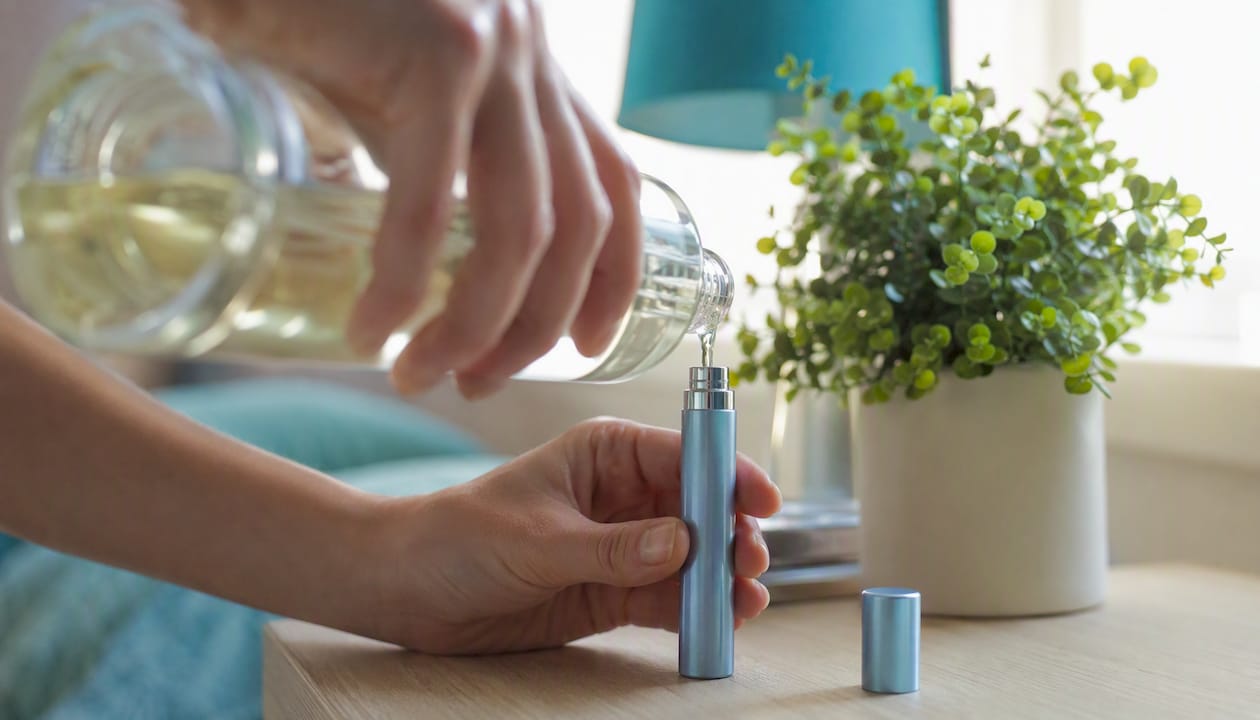
Are Sample Vials and Decants Worth Buying Instead?
Sometimes the smartest purchase isn't a bottle at all. Sample vials, rollerballs, and decants exist specifically to solve the problem full-size bottles can't: letting you try before you commit real money.
- Sample vials (1ml to 2ml): Cheapest way to test a scent through a full day of wear. Downside is you can't judge how it settles into a wardrobe rotation over weeks.
- Rollerballs (5ml to 10ml): More durable for a bag or desk drawer than glass sprays, though application is less even than a spray atomizer.
- Decants (any size, poured from a larger bottle): Great for trying a discontinued or expensive niche release without buying the full bottle, and useful for splitting cost with a friend.
- Refillable travel atomizers: Best long-term option if you already own a full-size bottle and just want a lighter carry option for trips or gym bags.
Building a small sample library before committing to full-size purchases is one of the more overlooked strategies for buying fragrance smart. Parfumla covers the mechanics of this in how to sample perfumes affordably, and the sampling specialists at ThePerfumeSampler break down why smaller formats often deliver better value per wear than people expect.
What's the Smartest Size to Buy First?
Most people overthink this decision and end up either underbuying a scent they love or overcommitting to one they barely know. The fix is simpler than it looks: start at 30ml to 50ml for anything unproven, and only move to 100ml once a fragrance has survived a full season of actual wear, not just a store tester.
The math consistently favors bigger bottles for cost per milliliter, but that math only works in your favor if the bottle gets used. A half-finished 100ml bottle sitting in a drawer for three years isn't a value purchase, it's a slower way to lose the same money. Buy the size that matches your actual wear pattern, not the size that looks like the best deal on the shelf.
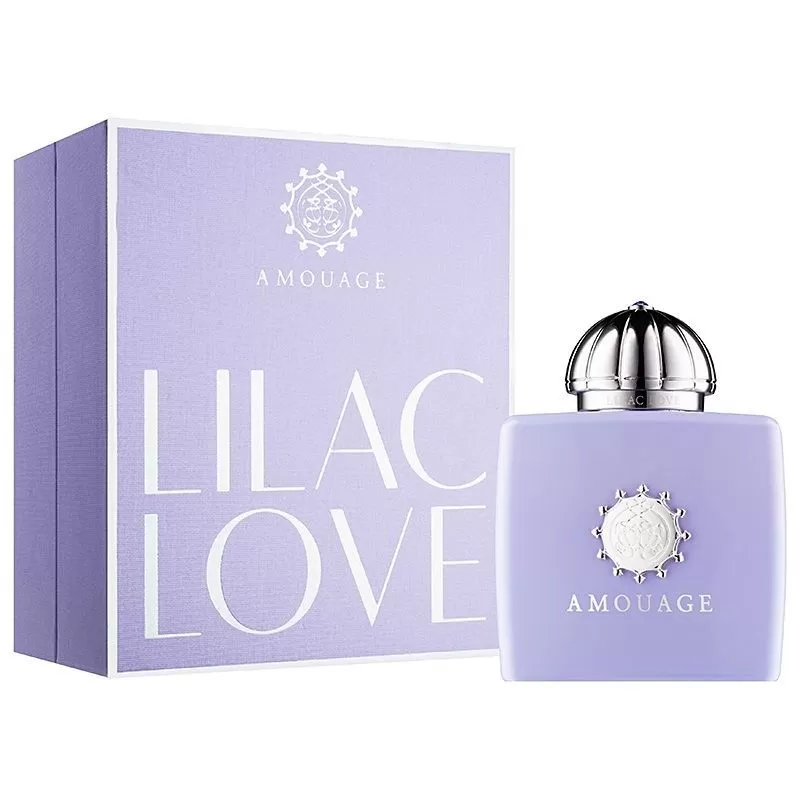
Parfumla's catalog spans both ends of that decision, from sample-friendly gift sets to full 100ml bottles across more than 14,000 fragrances, which makes it easier to size a purchase to how you'll actually wear it rather than guessing.
Where to Buy Full-Size and Travel-Size Perfume Online
Once you know your size, buying it shouldn't require paying retail markup. Parfumla stocks over 14,000 fragrances, including popular, luxury, niche, and celebrity names, with prices running up to 60% below standard retail. That means the same cost-per-ml math that favors 100ml bottles works even harder in your favor when the starting price is already discounted.
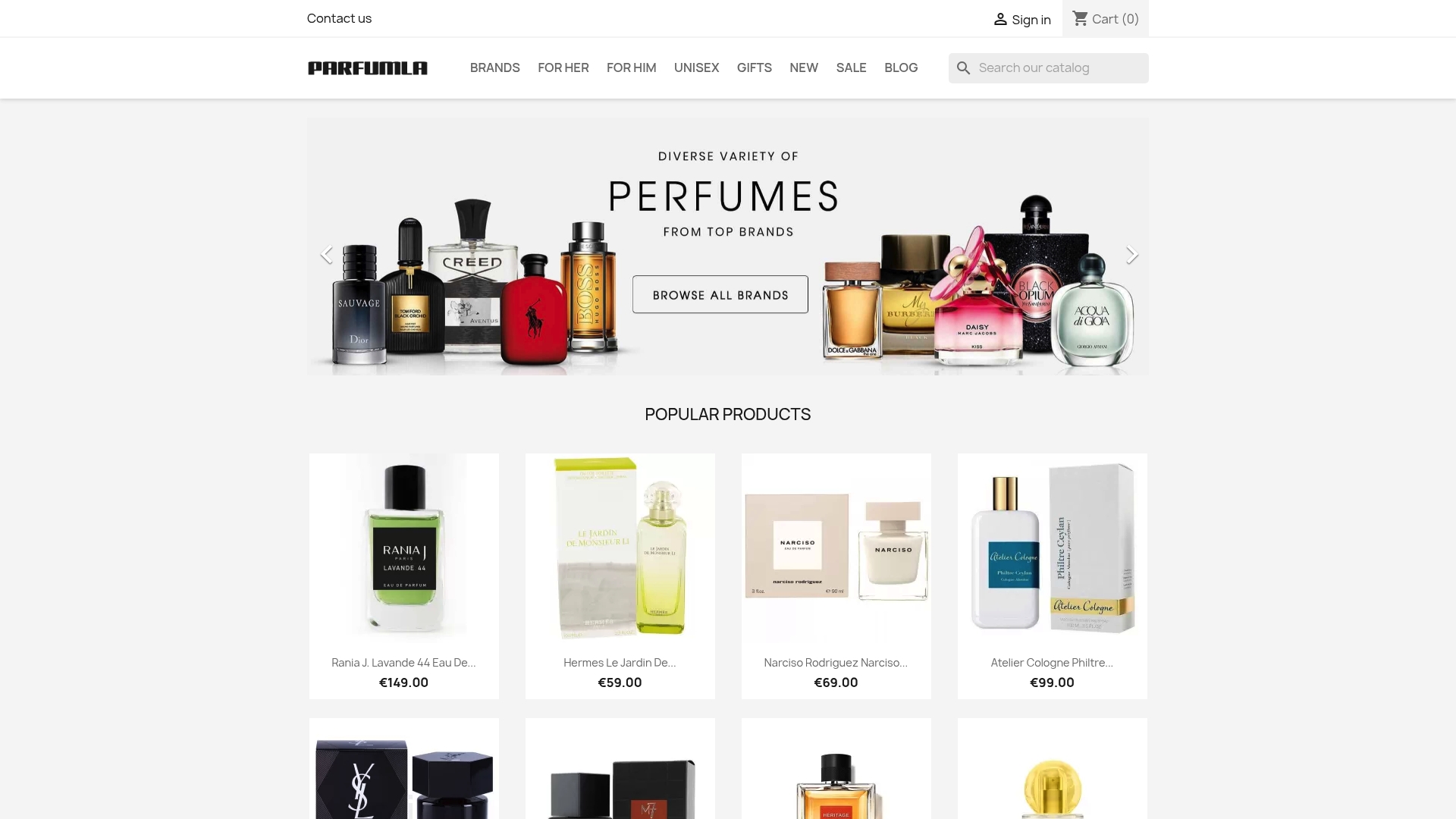
Buy Parfumla perfume online whether you're after a confirmed signature scent in full size or a smaller bottle to start testing something new. For a proven favorite, a full 100ml bottle like the NARCISO RODRIGUEZ Eau De Parfum For Women delivers the best price for this fragrance per milliliter over the long run. Prefer to keep things versatile for travel or daily rotation? Browse Parfumla's catalog to find the original perfume in the exact size that fits your habits, then check out with confidence knowing shipping runs reliably across the US and EU. Start with Parfumla's full fragrance catalog to compare sizes and prices before you buy.
Sources
- TSA — Liquids, aerosols, and gels (3-1-1 rule)
- NIST — Guide to the SI: Appendix B8 conversion factors
- Perfume Bottle Sizes Guide & Chart – UKPACK
- Perfume Bottle Guide: Sizes, Sprays & Maintenance (FragrancePackage)
For more on packing and buying, see Parfumla's guides on buying travel-size luxury perfumes and the online perfume shopping checklist.
FAQ
Should I get 1.7 oz or 3.4 oz of perfume?
Choose 1.7 oz (50ml) if you're still rotating scents or want lower upfront cost. Choose 3.4 oz (100ml) once you've confirmed the fragrance as a long-term favorite, since it offers a better price per milliliter.
How big is a 100ml perfume bottle?
A 100ml bottle equals 3.4 fl oz and is generally considered full-size in the fragrance industry. It's also the maximum size allowed in carry-on luggage under TSA guidance.
Is 3.4 oz a big bottle of perfume?
Yes, 3.4 oz (100ml) sits at the large end of standard retail sizing and delivers roughly 1,000 sprays, enough for a year or more of daily wear at moderate use.
Which is bigger, 1 fl oz or 3.4 fl oz?
3.4 fl oz is bigger. It holds more than three times the volume of 1 fl oz (about 100ml versus 30ml), which is why 3.4 fl oz bottles cost more upfront but usually less per milliliter.
What size counts as a travel perfume?
Travel sizes typically run from 5ml to 30ml, small enough to fit easily in a bag and stay well under the 100ml TSA carry-on limit.