
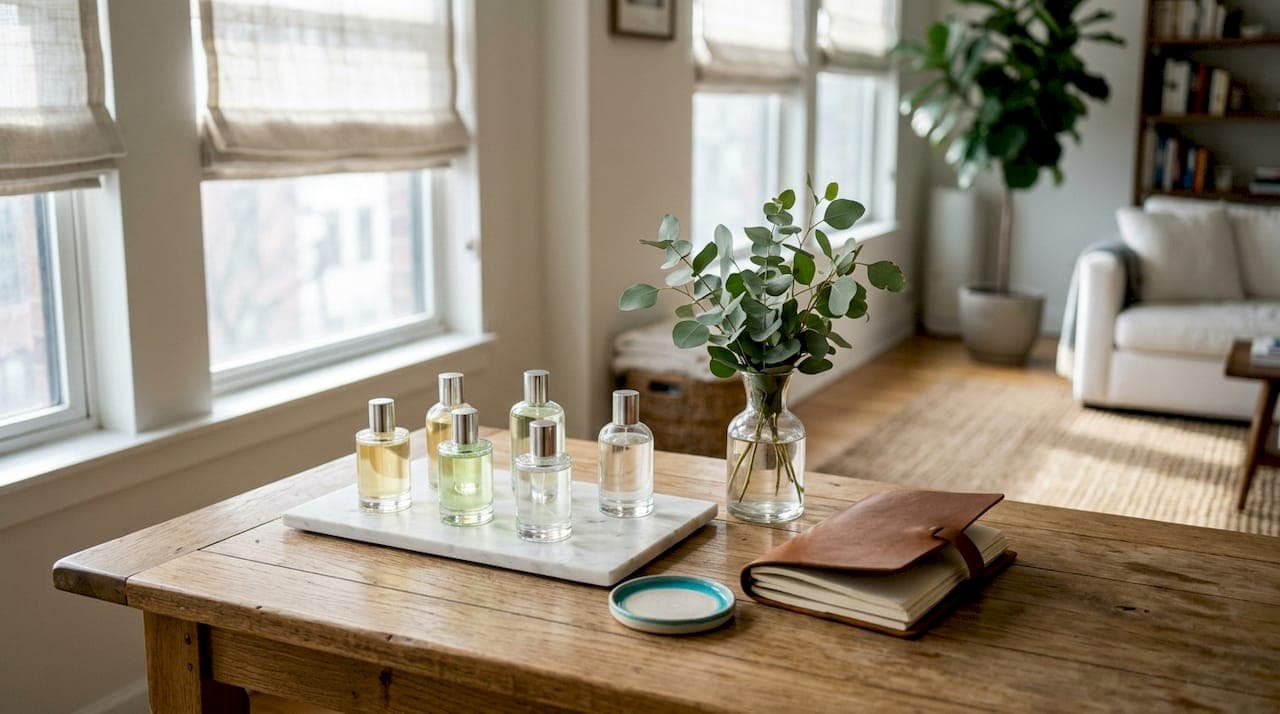
Single-note perfumes are defined as fragrances that highlight one raw material — like lavender, rose, or ambergris — without the traditional top, middle, and base note structure found in most commercial perfumes. That simplicity is exactly what makes them so useful. Whether you want a clean, wearable scent on its own or a building block for layering, single-note perfume examples give you total control over what you smell like. Fragrance enthusiasts are increasingly drawn to these minimalist compositions for their clarity, versatility, and the way they reveal how a single ingredient can carry an entire olfactory experience.
1. What are the best single-note perfume examples?
Single-note perfumes, also called soliflores when the focus is a single floral essence like rose or jasmine, span every fragrance family. The most recognized examples include lavender, amber, rose, vanilla, sandalwood, and citrus. Each one delivers a distinct mood and works differently depending on your skin and the occasion.

Lavender
Lavender is the most widely recognized single-note scent in perfumery. It reads as fresh, herbal, and calming. Lavender works equally well as a standalone daytime fragrance and as a base layer under woodier or muskier compositions.
- Scent profile: Fresh, herbal, slightly sweet
- Mood: Calming, clean, approachable
- Best for: Everyday wear, office, casual settings
Rose
Rose soliflores capture the raw floral essence of the flower without surrounding it with synthetic sweeteners or heavy musks. The result is a scent that feels natural and timeless. Rose works across seasons and reads as both feminine and unisex depending on concentration.
- Scent profile: Floral, slightly powdery, dewy
- Mood: Romantic, classic, elegant
- Best for: Date nights, formal occasions, spring and summer
Amber
Amber is a resinous, warm note that anchors almost any fragrance combination. As a standalone, it reads as rich and slightly sweet without being cloying. Amber performs exceptionally well on dry skin because it clings to warmth.
- Scent profile: Warm, resinous, slightly sweet
- Mood: Sensual, cozy, grounding
- Best for: Evening wear, fall and winter, layering base
Vanilla
Vanilla is one of the most universally appealing single notes in perfumery. It reads as creamy, soft, and comforting. Vanilla works as a standalone fragrance for casual wear and as a sweetening layer over spicier or woodier notes.
- Scent profile: Creamy, sweet, warm
- Mood: Comforting, approachable, inviting
- Best for: Casual wear, cooler months, layering with spice
Sandalwood
Sandalwood is a woody, milky note that sits close to the skin and lasts for hours. It is one of the best single-note options for people who prefer understated, skin-like scents. Sandalwood also acts as a natural fixative when layered, helping other notes last longer.
- Scent profile: Woody, creamy, slightly smoky
- Mood: Meditative, warm, sophisticated
- Best for: Year-round wear, professional settings, layering
Citrus
Citrus single notes — bergamot, lemon, grapefruit — are the most volatile of the group. They evaporate quickly but deliver an immediate burst of freshness. Citrus, woody, floral, and spicy single notes are the most versatile bases or standalone fragrances depending on preference and occasion.
- Scent profile: Bright, zesty, clean
- Mood: Energizing, uplifting, fresh
- Best for: Morning wear, summer, gym or sport contexts
Pro Tip: Apply citrus single notes to pulse points right after showering while skin is still slightly damp. The residual moisture slows evaporation and extends the scent by a noticeable margin.
2. Unique and lesser-known single-note examples worth trying
The most interesting territory in single-note perfumery sits beyond the classics. Single-note perfumes are gaining popularity among fragrance enthusiasts seeking minimalist or bespoke scent profiles, and that demand is pushing perfumers toward more unusual raw materials.
Anise
Anise reads as licorice-forward with a cool, slightly medicinal edge. It belongs to the spice and aromatic fragrance family. Anise works well in fall and winter and pairs naturally with warm, resinous notes when layered.
- Scent profile: Spicy, cool, herbal
- Best for: Fall and winter, evening wear
Aloe vera
Aloe vera as a single note is surprisingly wearable. It reads as green, watery, and clean without the sharpness of citrus. This note suits warm weather and works well on people who find florals too heavy.
- Scent profile: Green, aquatic, fresh
- Best for: Summer, daytime, sensitive skin types
Balsam
Balsam is a resinous, slightly sweet note with a pine-like warmth. It sits in the oriental and woody fragrance families. Balsam adds depth and longevity to any layered composition and works as a standalone for people who love forest-inspired scents.
- Scent profile: Resinous, woody, sweet
- Best for: Fall and winter, layering base
Passionfruit
Passionfruit is a tropical, fruity note that reads as tart and juicy. It belongs to the fruity fragrance family and adds a modern, youthful energy to any composition. Passionfruit works best in spring and summer and pairs well with white florals.
- Scent profile: Fruity, tropical, tart
- Best for: Spring and summer, casual daytime wear
Allspice
Allspice is a warm, spicy note that sits between clove and cinnamon without being as sharp as either. It adds a baked, slightly earthy quality to a fragrance. Allspice works well in cooler months and layers naturally with vanilla or amber.
- Scent profile: Warm, spicy, slightly earthy
- Best for: Fall and winter, evening wear
Pro Tip: Sampling lesser-known single notes individually before committing to a full bottle is the fastest way to map your personal scent preferences. Order decants or travel sizes and wear each one alone for a full day before forming an opinion.
3. How single-note perfumes work for layering
Layering single-note or restrained scents provides a stable base that avoids clashing, allowing customization without overwhelming complexity. That is the core advantage single notes have over layering two complex fragrances. When you combine two multi-note compositions, the interaction between their individual ingredients is unpredictable. Single notes remove that variable entirely.
The correct application order matters as much as the notes you choose. Layer from heaviest to lightest format and scent to build longevity and balanced scent evolution. Start with a lotion or body oil, then add heavier spray formats, and finish with lighter or more volatile notes on top.
Industry experts recommend applying 2 to 3 sprays of base followed by 3 to 5 sprays of the lighter fragrance on the same body area. That ratio keeps the base note present without drowning the top layer. Applying both notes to the same area, rather than splitting them across different pulse points, allows them to merge on the skin rather than compete.
| Layering combination | Effect | Best occasion |
|---|---|---|
| Vetiver + cedar | Earthy, dry, grounding | Fall and winter, professional |
| Rose + sandalwood | Floral with warm depth | Evening, romantic settings |
| Patchouli + florals | Complex, slightly dark | Evening, artistic events |
| Salt + citrus | Fresh, coastal, clean | Summer, casual daytime |
| Vanilla + allspice | Warm, spiced, dessert-like | Fall and winter, cozy evenings |
Expert-curated layering combinations like vetiver and cedar or patchouli and florals show how two single notes can produce a result that feels more sophisticated than either ingredient alone. The key is choosing notes from adjacent fragrance families. Woody and resinous notes blend naturally. Florals and musks complement each other. Citrus and aquatic notes share a clean, fresh quality that makes them easy to combine.
Pro Tip: Never rub your wrists together after applying layered fragrances. Friction breaks down the molecular structure of the top notes and collapses the scent faster. Press, do not rub.
4. How to choose single-note perfumes for your scent profile
Choosing the right single-note fragrance starts with understanding your scent family preference. Citrus, woody, floral, and spicy notes each behave differently on skin and in different climates. Identifying which family you gravitate toward narrows the field immediately.
Skin chemistry changes how a fragrance smells on you versus on a test strip. Oily skin holds fragrance longer and can amplify certain notes, particularly musks and resins. Dry skin absorbs fragrance faster, which is why applying to well-moisturized skin is the standard recommendation. Dry skin can cut wear time significantly, so a plain, unscented lotion applied before your fragrance makes a real difference.
Seasonal context matters too. Lighter, fresher single notes like citrus, aloe vera, and green tea suit warm weather. Heavier, warmer notes like amber, sandalwood, and balsam perform better in cool or cold conditions. Wearing a heavy resinous note in summer heat can amplify it to the point of being overpowering.
For first-time buyers, these factors help narrow your options:
- Identify your scent family: Floral, woody, citrus, oriental, or fresh
- Test on skin, not paper: Scent strips do not replicate how a note interacts with your body chemistry
- Wear it for a full day: Single-molecule scents require at least 2 hours to dry down fully; initial impressions can be misleading
- Start with classics: Lavender, rose, and sandalwood are the most forgiving entry points
- Consider concentration: Eau de parfum concentrations last longer than eau de toilette, which matters more for single notes that lack the complexity to evolve over time
Single notes also complement complex fragrances. Adding a sandalwood single note over a floral eau de parfum deepens the dry-down without changing the character of the original scent. This is one of the most practical uses of single-note perfumes for people who already have an established fragrance wardrobe.
Key Takeaways
Single-note perfumes offer the clearest path to building a personal, layerable scent profile because each ingredient performs predictably on its own and in combination.
| Point | Details |
|---|---|
| Definition matters | Single-note perfumes highlight one raw material, removing the traditional top-middle-base structure. |
| Classic notes first | Lavender, rose, amber, vanilla, and sandalwood are the most forgiving starting points for new enthusiasts. |
| Layering order is fixed | Apply heaviest formats first, then lighter notes on top, using 2–3 sprays of base and 3–5 of the lighter scent. |
| Skin prep extends wear | Moisturized skin holds single-note fragrances significantly longer than dry skin. |
| Niche notes add novelty | Anise, balsam, passionfruit, and allspice offer fresh territory beyond the classics for experienced wearers. |
The case for simplicity in your fragrance wardrobe
Single-note perfumes changed how I think about fragrance entirely. Before working with them, I assumed complexity was the point. The more notes a perfume listed, the more interesting it seemed. That assumption is wrong.
What I have found, after years of exploring both ends of the spectrum, is that single notes teach you something no complex blend can. They show you exactly what an ingredient smells like on your skin, not in theory. You learn that lavender on you reads warmer than on someone else. You learn that amber amplifies in heat. That knowledge is the foundation of every good layering decision you will ever make.
The trend toward minimalist and artisanal fragrances is not a passing phase. It reflects a genuine shift in how people want to relate to scent. Fewer ingredients, more intention. The Escentric Molecules approach of centering a fragrance on a single molecule is a perfect example of this philosophy taken to its logical conclusion.
My advice is to resist the urge to layer too quickly. Wear a single note alone for at least a week before adding anything to it. You will understand it better, and your layering choices will be more deliberate as a result. Trust your instincts over anyone else's recommendations, including mine.
— Parfumla
Where Parfumla fits into your single-note exploration
Parfumla carries over 14,000 fragrances, including a strong selection of single-note and minimalist options suited to both solo wear and layering. Whether you are building your first scent wardrobe or adding depth to an existing one, the catalog covers classic soliflores and niche single-molecule options at up to 60% off retail prices.
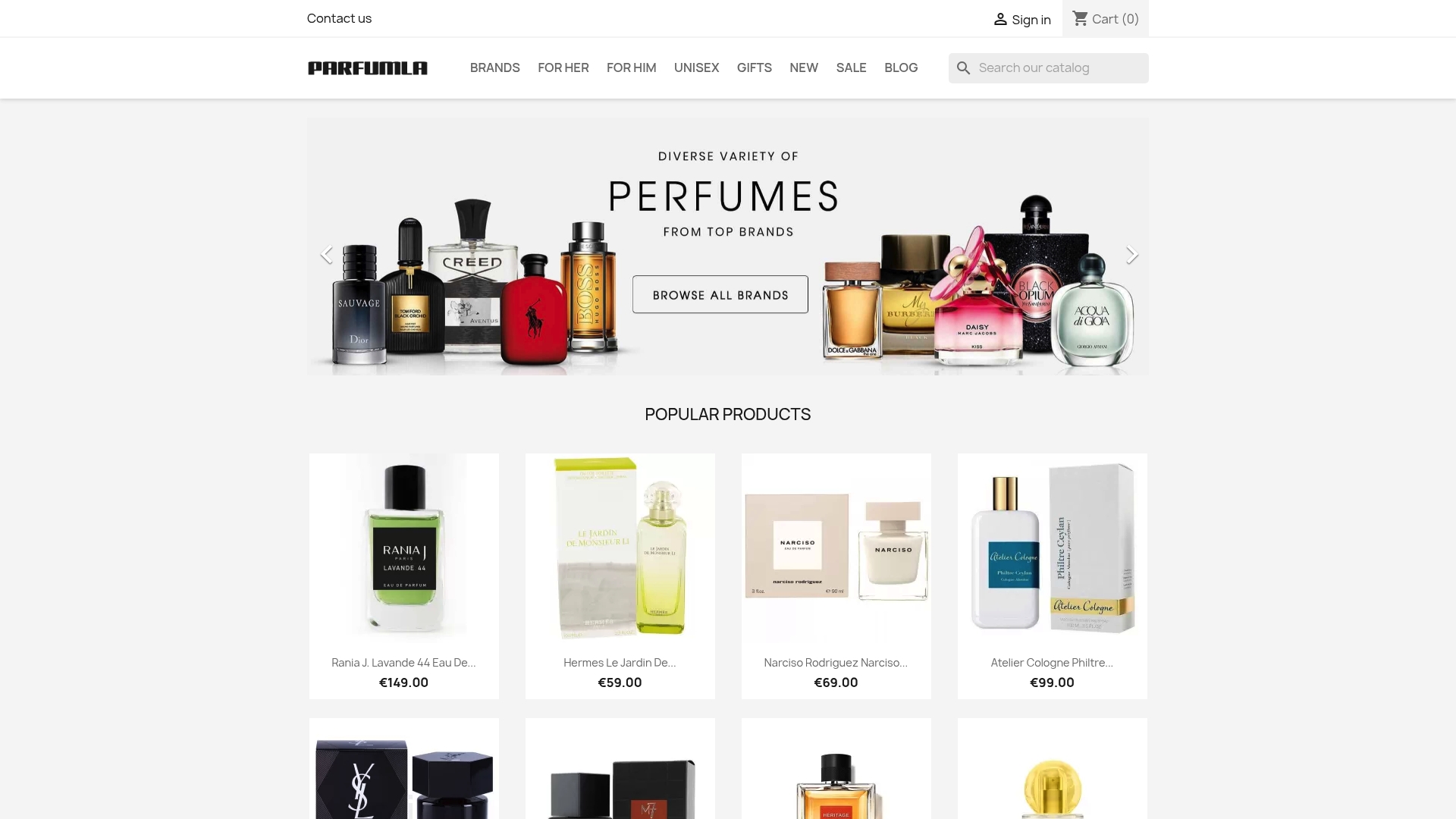
For a floral single-note starting point, the Narciso Rodriguez Eau de Toilette delivers a clean, skin-like musk that works as a standalone or as a layering base. For something more niche and single-molecule in spirit, the Escentric Molecules Escentric 01 is a strong entry point. Parfumla ships across the US and EU, with detailed reviews on each product page to help you choose before you buy.
FAQ
What is a single-note perfume?
A single-note perfume highlights one raw material, such as lavender, rose, or amber, without the traditional top, middle, and base note structure. The industry term for a single floral note perfume is soliflore.
Are single-note perfumes good for layering?
Single-note perfumes are the most stable layering option because they eliminate the risk of clashing between complex compositions. Perfumer David Moltz notes that layering two complex fragrances may clash, while single notes offer better layering stability.
How long do single-note perfumes last on skin?
Wear time depends on skin type and concentration. Applying to moisturized skin extends longevity, and single-molecule or natural perfume oils require at least 2 hours to fully dry down before you can assess their true character.
What are the most popular single-note fragrances?
Lavender, rose, amber, vanilla, sandalwood, and citrus notes are the most widely worn single-note scents. They span every fragrance family and suit a broad range of occasions and skin types.
How do I start building a layered scent with single notes?
Start with a heavy base note like amber or sandalwood, apply 2 to 3 sprays, then layer a lighter note like citrus or floral on top with 3 to 5 sprays on the same area. Always apply the heaviest format first, beginning with lotion or oil before any spray.