

Fragrance layering is defined as the practice of combining two or more scents on your skin to create a unique, personalized aroma that no single bottle can replicate. This technique, which originated in the Middle East as a way to craft signature scents, uses formats like eau de parfum, scented body lotion, and hair mist together for depth and longevity. The goal is not to pile on perfume but to build a scent profile that reflects your mood, personality, and style. Think of it the way you think about getting dressed: each piece adds something the others cannot.
What is fragrance layering and how does it work?
Fragrance layering works by stacking scents in a deliberate order based on their molecular weight and volatility. Heavier molecules evaporate slowly and anchor the blend. Lighter molecules lift off the skin quickly and create the first impression. Understanding this order is what separates a well-built scent from a muddy mess.
Every perfume contains three layers of notes. Top notes hit immediately and fade within 15–30 minutes. Middle notes, also called heart notes, define the character of the scent and last 2–4 hours. Base notes are the heaviest and longest-lasting, often persisting for 6 hours or more. When you layer fragrances, you are essentially building your own top, middle, and base note structure across multiple bottles.
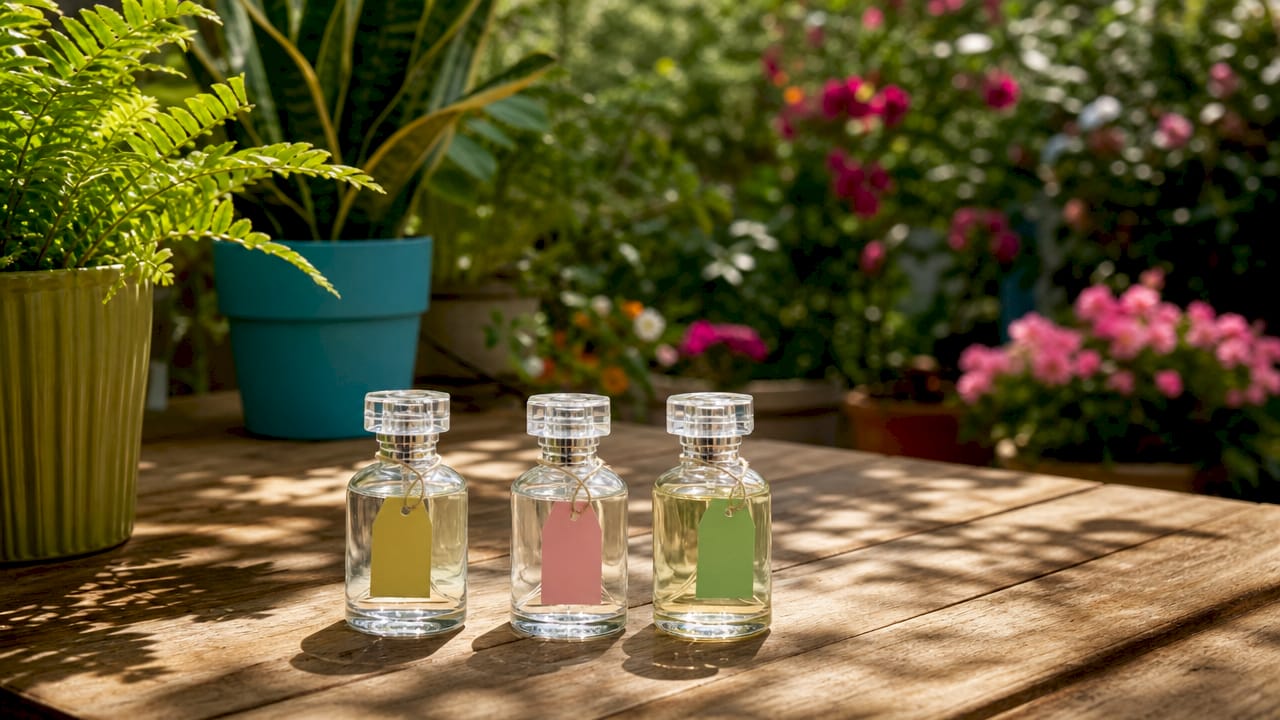
Perfume molecular weight guides the layering order directly: apply heavy notes first and light notes last to keep the blend harmonious. Skipping this step is the most common reason layered scents smell off. Heavy notes like oud, amber, and vanilla work as strong base layers, while citrus and floral notes go on top to add freshness without clashing.
There are two distinct approaches to application. The first is blended layering, where you apply both scents to the same spot so they merge on the skin. The second is spatial layering, where different scents go on different body parts, creating an intersecting scent trail that shifts as you move. Heavy scents work best on warmer spots like the stomach and neck. Lighter ones shine on the collarbones and hair.
- Blended layering: Apply scents to the same pulse point for a fused, single-impression scent.
- Spatial layering: Apply different scents to different areas for a scent that evolves as you move.
- Concentration stacking: Layer a body lotion version of a scent under its matching eau de parfum for extra depth.
Pro Tip: Experts recommend 2–3 sprays of a heavier base followed by 3–5 sprays of a lighter scent on the same area for a balanced, seamless blend.
How to layer fragrances: practical steps that actually work
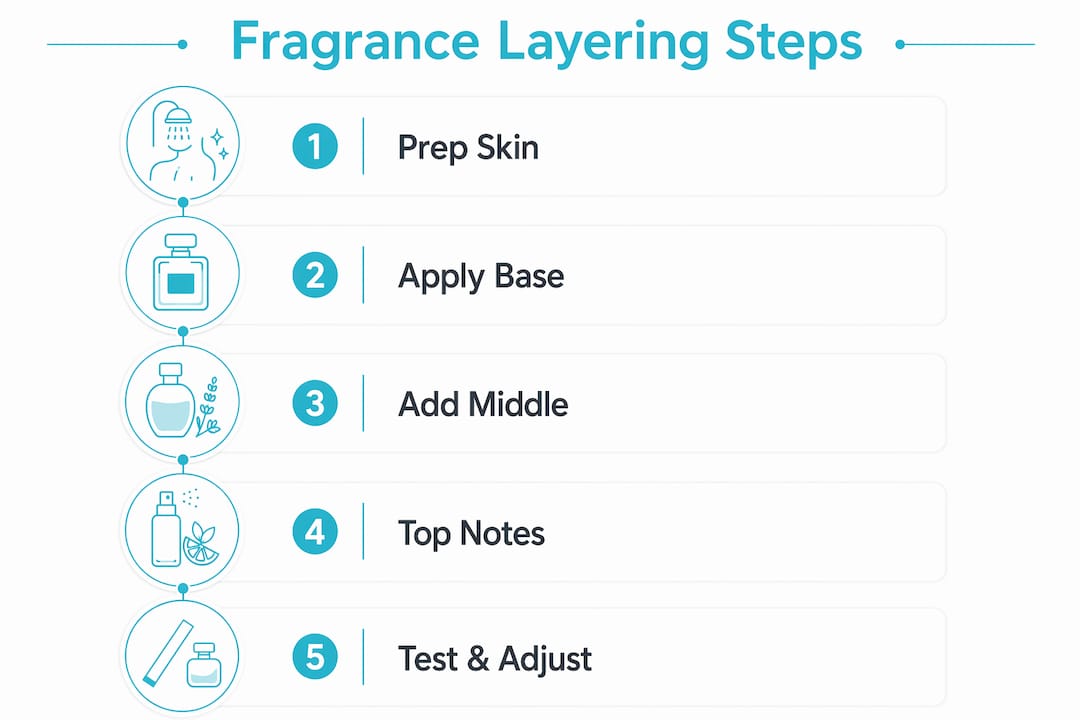
The foundation of successful layering starts before you even open a bottle. Moisturized skin holds fragrance significantly longer than dry skin. Applying a fragrance-free lotion before your perfume extends wear time by 3–4 hours. That extra wear time matters when you are building a layered scent you want to last through a full day.
- Moisturize first. Apply an unscented lotion or a ceramide-rich body cream to clean skin. This creates a base that locks fragrance molecules in place.
- Choose your base fragrance. Pick the heaviest, longest-lasting scent in your collection. Oud, sandalwood, amber, and musk all work well here. Apply 2–3 sprays to pulse points.
- Add your accent scent. Choose a lighter, complementary fragrance. Citrus, light florals, and green notes pair well with heavy bases. Apply 3–5 sprays on top of or near the base application.
- Let it settle. Give the blend 2–3 minutes before assessing the result. Scents shift as they warm on your skin.
- Adjust placement. If the blend feels too heavy, move the lighter scent to your hair or collarbones for a softer effect.
Seasonal context shapes which scents you reach for. Lighter, fresh scents work best in heat, while warmer, spicy, or amber-forward blends suit cold weather. A citrus and white musk combination works in summer. A vanilla and sandalwood pairing suits winter evenings.
Pro Tip: Start with just two fragrances. Layering two scents is far easier to control than three or four, and the results are almost always cleaner and more wearable.
Skin chemistry also plays a role. The same two fragrances can smell different on two people. Test your blend on your wrist before committing to a full application. Give it 30 minutes and smell it again. What you experience at the 30-minute mark is closer to what others will smell on you throughout the day.
How to create your own signature scent with layering
A signature scent built through layering is more personal than anything you can buy off the shelf. The process starts with what you already love. Pull out your favorite perfume and ask what it is missing. More warmth? More brightness? More depth? That gap is where your second scent goes.
Pairing a niche or luxury scent with a simple, affordable base fragrance often produces the most personal and long-lasting results. A single-note molecule fragrance or a lightly scented body lotion can anchor an expensive niche perfume without competing with it. This approach also stretches your budget, since the base does the heavy lifting and the premium scent does the finishing work. Parfumla carries over 14,000 fragrances, including niche and single-note options that work perfectly as layering bases or accents.
Certain scent families blend naturally:
- Woody + floral: Sandalwood or cedar under a rose or peony creates warmth without sweetness overload.
- Citrus + musk: Bergamot or grapefruit over a clean white musk reads fresh and skin-close.
- Amber + spice: Vanilla or benzoin under a cardamom or pepper note creates a rich, complex warmth.
- Aquatic + green: Light oceanic scents pair with grassy or herbal notes for a clean, outdoorsy effect.
The perfume wardrobe concept treats your collection as a set of building blocks rather than standalone bottles. You rotate combinations based on season, occasion, and mood. This approach gives you far more variety from fewer bottles. Keep a small notebook or phone note with your favorite combinations so you can recreate them. Memory is unreliable, especially when a blend takes several tries to perfect.
Let one scent lead. The most successful layered blends have a clear dominant note with supporting accents. When both scents fight for attention, neither wins. Think of it like seasoning food: one primary flavor, with others in support.
Common mistakes to avoid when layering perfumes
The most frequent mistake in fragrance layering is applying too much. More product does not mean more complexity. It means more noise. Layering two fragrances is the recommended starting point precisely because restraint produces better results than abundance.
- Overloading: Three or more strong fragrances applied at once almost always produce a muddy, unreadable blend. Start with two and add a third only after you know the base pair well.
- Ignoring longevity differences: A top-note-heavy scent fades within an hour. Layering it with a base-heavy scent means the blend changes dramatically over time. Match longevity profiles when possible.
- Stacking two heavy fragrances: Two oud-forward or two amber-heavy scents together create an oppressive, one-dimensional result. One heavy, one light is the reliable formula.
- Skipping skin prep: Dry skin absorbs and drops fragrance faster. Skipping moisturizer shortens your blend's life and changes how it develops.
- Confusing masking with layering: Spraying a second scent to cover an unwanted one is not layering. Jo Malone describes layering as "building" aromas, not hiding them. Start fresh if a scent is not working.
Pro Tip: Patch-test any new combination on your inner wrist and wait 30 minutes before applying it everywhere. Your skin's warmth activates the blend and reveals how it will actually smell throughout the day.
Layering is also not about matching scents from the same brand or line, though that can work. The most interesting blends often come from unexpected pairings across different houses and price points. A budget-friendly affordable fragrance can anchor a niche scent beautifully. Price does not determine compatibility.
Key Takeaways
Fragrance layering works best when you apply heavy base notes first, moisturize skin before application, and limit your initial blends to two complementary scents for a clean, lasting result.
| Point | Details |
|---|---|
| Apply heaviest scent first | Heavy notes like oud, amber, and musk anchor the blend and prevent muddiness. |
| Moisturize before layering | Unscented lotion extends fragrance wear by 3–4 hours and locks molecules in place. |
| Use the 2–3 / 3–5 spray ratio | Apply 2–3 sprays of the base scent and 3–5 sprays of the lighter accent for balance. |
| Start with two fragrances | Limiting your blend to two scents keeps the result clean and easy to replicate. |
| Match scent families intentionally | Woody with floral, citrus with musk, and amber with spice are reliably compatible pairings. |
Why I think most people are doing fragrance layering wrong
Most guides tell you to find complementary scents and layer them. That is true but incomplete. The part nobody talks about is patience. The first time I tried layering, I applied both scents, sniffed my wrist immediately, hated it, and gave up. What I did not know was that the blend needed 20 minutes to settle before it became something worth wearing.
The second thing people miss is the role of skin prep. I started using an unscented ceramide lotion before my base fragrance, and the difference in longevity was immediate and obvious. The scent that used to fade by noon was still present at 5:00 PM. That one change made layering feel worth the effort.
My personal favorite combination is a woody, smoky base, specifically a sandalwood-forward scent, under a light, airy floral. The floral lifts the smoke and keeps it from feeling heavy. In summer I swap the floral for a citrus. Same base, completely different personality. That flexibility is what makes layering genuinely useful rather than just a novelty.
The advice I give anyone starting out: treat your scent as a style signature and build it the way you build an outfit. One anchor piece, one accent, and nothing competing for the spotlight. Rigid rules are less useful than a clear sense of what you want the scent to say.
— Hamster777
Build your layering wardrobe with Parfumla
Parfumla stocks over 14,000 fragrances, including niche, luxury, and celebrity scents, at up to 60% off retail prices. That range makes it practical to buy a dedicated base fragrance and a separate accent scent without spending a fortune on either.
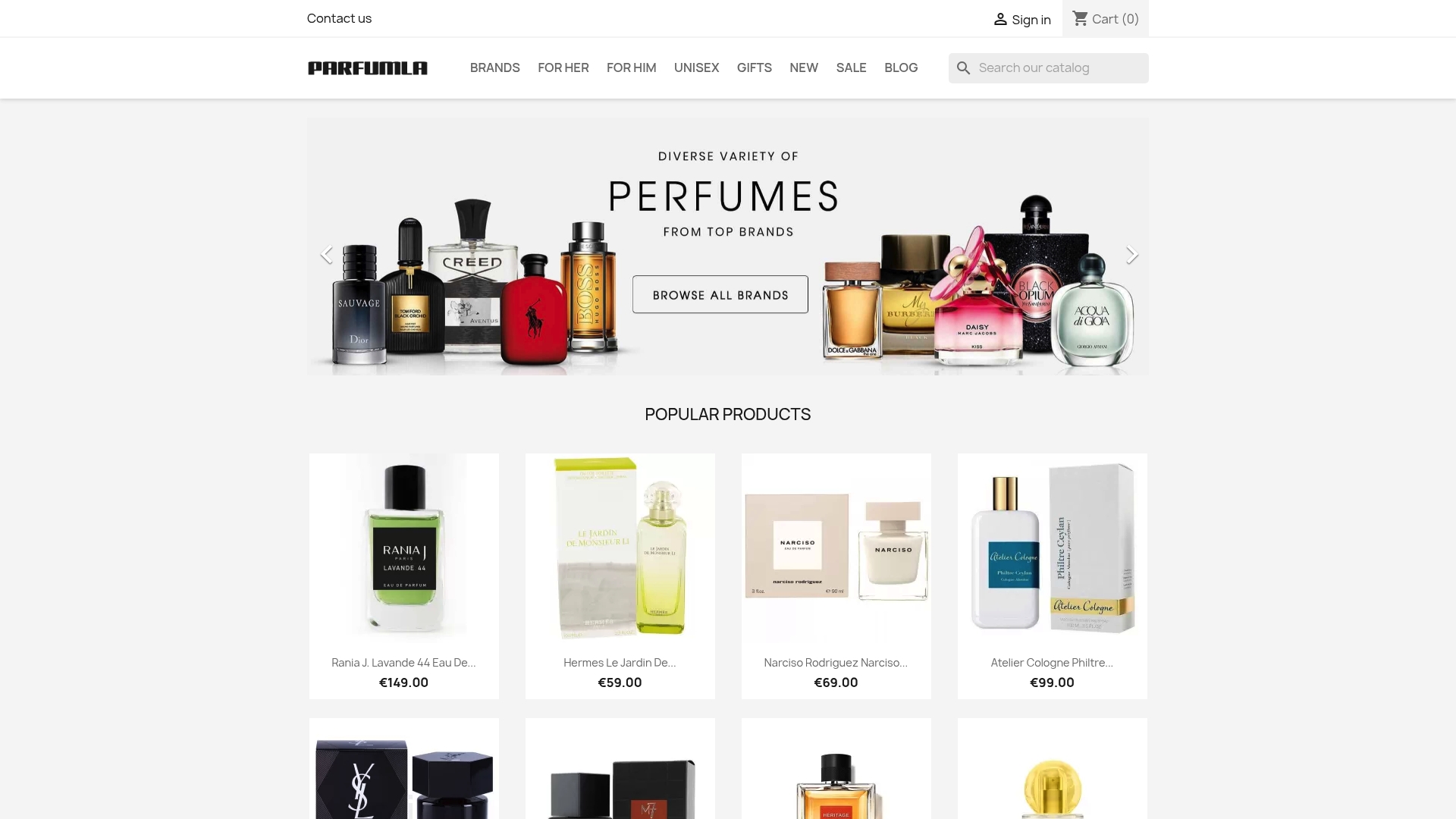
For a versatile base with staying power, the NARCISO RODRIGUEZ Eau De Parfum delivers a clean, musky warmth that anchors almost any floral or citrus accent. If you want a premium niche option that layers beautifully, Ex Nihilo Venenum Kiss offers the kind of depth that makes a layered blend feel genuinely original. Browse Parfumla's full catalog to find the combinations that work for your skin and your style.
FAQ
What is fragrance layering in simple terms?
Fragrance layering is the practice of applying two or more scents together to create a unique, personalized aroma. You apply a heavier base scent first, then add a lighter accent scent on top.
What scents layer well together?
Woody and floral, citrus and musk, and amber and spice are the most reliable pairings. These combinations balance intensity and longevity without clashing.
Does layering make perfume last longer?
Yes. Layering a scented or unscented lotion under your perfume extends wear time significantly. Moisturized skin holds fragrance molecules longer than dry skin.
What is a fragrance layering gift set?
A fragrance layering gift set is a curated collection of complementary scents sold together specifically for layering. These sets typically include a base fragrance and one or two accent scents designed to work together.
How many fragrances should I layer at once?
Start with two fragrances. Experts recommend limiting initial blends to two scents to keep the result clean and easy to control before experimenting with a third.