
Designer fragrance is expensive because of raw materials, production complexity, brand equity, and marketing investment, not scent alone. Natural ingredients like oud can cost up to $30,000 per kilogram, and that figure doesn't include extraction, blending, or testing. Marketing and advertising can account for up to 40% of a perfume's retail price. Understanding what makes designer fragrance expensive helps you spend smarter and appreciate what's actually inside the bottle.
What makes designer fragrance expensive: the ingredient factor
The single largest variable in luxury perfume pricing is raw materials. Natural ingredients are scarce, difficult to harvest, and yield very little usable extract per harvest cycle. That scarcity drives prices to levels most buyers never see behind the counter.
The most expensive naturals include:
- Oud (agarwood): Formed only when a specific mold infects aquilaria trees, natural oud costs up to $30,000 per kilogram due to its rarity and slow formation process.
- Bulgarian rose: Requires roughly 3.5 tons of rose petals to produce just one kilogram of rose absolute. Harvests happen over a narrow window each may, making supply unpredictable.
- Ambergris: A waxy substance produced in sperm whale intestines, found floating at sea. Genuine ambergris is extraordinarily rare and commands prices comparable to precious metals.
- Iris root (orris butter): Must be dried for three to five years before distillation. The wait alone inflates cost before a single drop is extracted.
Synthetic ingredients offer a more affordable path, but the best ones are not cheap either. Major fragrance houses develop proprietary "captive molecules" that are exclusive to their formulas and unavailable on the open market. These molecules create scent signatures that competitors cannot replicate, which adds both uniqueness and cost to the final product.
Concentration also matters. Higher fragrance oil concentrations, such as those found in Eau de Parfum and extrait formats, require more raw material per bottle. That directly raises ingredient costs and supports the longer-lasting performance buyers associate with luxury.
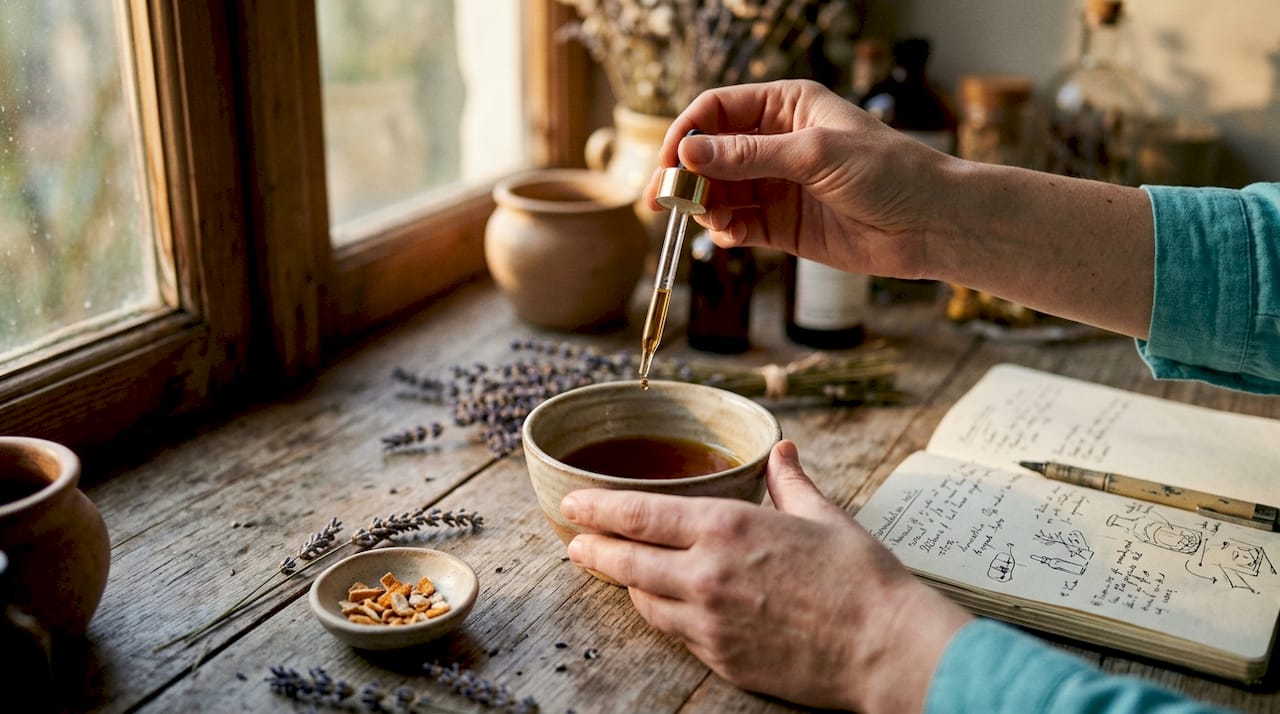
Successful luxury formulas balance natural and synthetic ingredients to manage cost while delivering complexity. A perfumer might use a synthetic sandalwood molecule as a base while layering genuine Bulgarian rose on top. The result is a scent that feels rich and natural without requiring an all-natural ingredient list that would make the price prohibitive.
Pro Tip: When comparing two fragrances at different price points, check the concentration label first. An Eau de Parfum at a higher price often contains significantly more fragrance oil than an Eau de Toilette, which explains much of the gap.
How production complexity drives up the cost of high-end fragrances
Creating a designer fragrance is not a quick process. Fragrance development involves months or years of testing, reformulation, and compliance work before a single bottle reaches a shelf. That time is paid labor, and skilled labor is expensive.
The production process follows a demanding sequence:
- Concept and brief development: A master perfumer, called a "nose," works with the brand's creative team to define the scent direction. This phase alone can take weeks of consultation and revision.
- Ingredient sourcing and evaluation: Raw materials are sourced, tested for purity, and evaluated for consistency across batches. Inconsistent naturals require blending adjustments that add time.
- Formula development and iteration: The perfumer creates multiple versions of the formula, each evaluated by internal panels. A single fragrance may go through dozens of iterations before approval.
- Stability and performance testing: The formula is tested across temperature ranges, light exposure, and skin types to confirm it performs consistently. This phase can last several months.
- Regulatory compliance: Fragrances sold in the US and EU must meet standards set by bodies like the International Fragrance Association (IFRA) and comply with regional cosmetic regulations. Compliance testing adds both time and cost.
- Small batch production: Small batch production carries higher per-unit costs than mass-market manufacturing. Designer and niche brands rarely produce at the volumes that would reduce those costs significantly.
Each step in this sequence adds to the final retail price. The buyer is not just paying for the liquid in the bottle. They are paying for the years of expertise and testing that made that liquid possible.
Why branding, packaging, and marketing inflate designer perfume prices
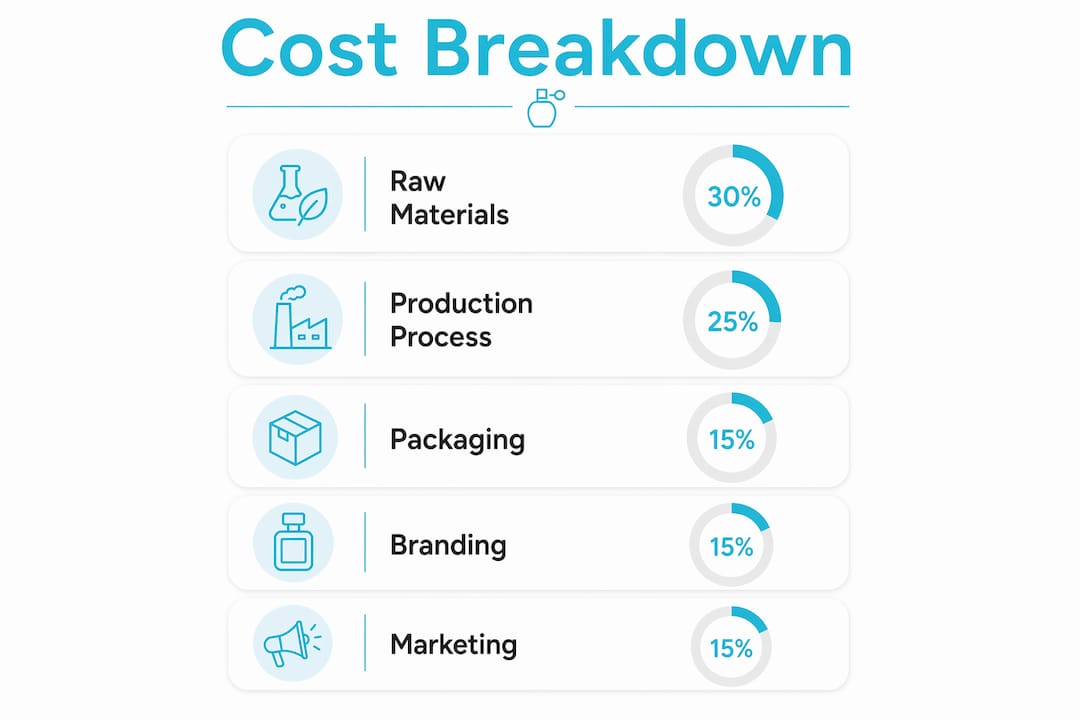
Raw materials and production explain a significant portion of luxury perfume pricing, but branding and marketing explain much of the rest. Marketing and advertising account for approximately 40% of a perfume's retail price. That figure includes celebrity endorsements, glossy print campaigns, television spots, and prime retail placement in department stores.
The bottle itself is a major cost center. Packaging costs for premium brands can rival or exceed the cost of the fragrance formulation inside. Custom glass molds, heavy crystal-style bottles, magnetic closures, and embossed caps all require specialized manufacturing. A bottle that costs $15 to produce for a mass-market brand might cost $60 or more for a luxury house using custom glasswork.
Limited editions amplify this effect. When a brand releases a fragrance in a numbered edition or with a hand-decorated bottle, it signals scarcity. Scarcity raises perceived value, which supports a higher price point regardless of what the formula inside actually costs to produce.
Controlled distribution works the same way. Brands that sell only through select retailers or their own boutiques limit supply and maintain price integrity. You will not find those bottles discounted at a drugstore, which reinforces the premium perception.
Pro Tip: If you want to understand how much of a fragrance's price is packaging versus formula, look at the brand's flanker releases. When a house releases the same scent in a simpler bottle at a lower price, the difference often reflects packaging cost more than formula cost.
For a deeper look at how these costs stack up across price tiers, the real breakdown of luxury pricing covers the numbers in detail.
How supply chain pressures affect the costs of high-end fragrances
Global economic conditions directly shape what you pay for a designer scent. Volatile oil markets affect transportation costs and the price of synthetic ingredients derived from petrochemicals. When energy prices spike, fragrance production costs rise even before a single natural ingredient enters the formula.
The pressures on natural ingredients are more specific:
- Climate disruption: Droughts, floods, and temperature shifts damage harvests of key naturals. Bulgarian rose fields, for example, are highly sensitive to late frost and irregular rainfall. A poor harvest season can send rose absolute prices sharply higher for the following year.
- Geopolitical instability: Climate-related shocks and geopolitical instability in ingredient-producing regions force brands to pay premiums for scarce naturals or invest in expensive synthetic alternatives. Regions that produce oud, frankincense, and certain citrus materials are often politically volatile.
- Shipping and logistics delays: Post-pandemic supply chain disruptions increased lead times and freight costs across the industry. Those costs get passed to the buyer.
- Currency fluctuations: Many key ingredients are priced in euros or local currencies. A stronger dollar helps American buyers, but a weaker dollar raises import costs for US-based brands.
These factors explain why fragrance prices do not stay flat year over year. The variability in perfume pricing reflects real shifts in global commodity markets, not just brand ambition.
Key Takeaways
Designer fragrance prices reflect ingredient rarity, production labor, regulatory compliance, packaging investment, and marketing spend, not a single factor.
| Point | Details |
|---|---|
| Ingredient rarity drives base cost | Natural oud, rose absolute, and ambergris are scarce and expensive to extract at any volume. |
| Captive molecules add exclusivity | Proprietary synthetic ingredients create unique scent profiles that competitors cannot copy. |
| Marketing accounts for up to 40% | Advertising, endorsements, and retail placement represent a major share of the retail price. |
| Packaging can match formula cost | Custom glass, heavy materials, and decorative elements add significant cost per bottle. |
| Supply chain shocks raise prices | Climate events and geopolitical instability in ingredient regions cause unpredictable price spikes. |
The part most buyers never think about
Most people assume the price of a designer fragrance reflects what's inside the bottle. After years of paying close attention to how fragrances are made and marketed, I think that assumption is only half right.
The formula matters enormously, but the brand's ability to make you believe the formula matters is what actually sets the price. A fragrance with $8 worth of ingredients and $40 worth of packaging and advertising can retail for $180 because the brand has spent decades building an identity that makes buyers feel the price is justified. That is not fraud. It is brand economics working exactly as intended.
What I find more interesting is the middle ground. Some houses spend heavily on ingredients and lightly on marketing, which means their retail prices reflect actual formulation quality more than image. Those are the bottles worth hunting for. The difference between luxury and affordable scents is real, but it is not always proportional to the price gap.
My honest advice: read the concentration label, research the nose behind the formula, and pay attention to how long the scent lasts on your skin. Those three signals tell you more about value than the bottle design or the celebrity face on the campaign.
— Hamster777
Premium designer fragrances, at prices that make sense
Understanding what goes into a luxury fragrance makes the price easier to evaluate. It also makes finding a fair deal more satisfying.
Parfumla carries over 14,000 fragrances, including designer and niche options, at up to 60% off retail prices. If you want to experience a genuinely premium scent without paying full department store markup, the CHRISTIAN DIOR J'adore Le Jasmin Eau de Parfum is a strong starting point. For a bold, distinctive option, the NARCISO RODRIGUEZ Eau de Parfum for women delivers the kind of formulation complexity this article describes, at a price that reflects Parfumla's commitment to accessible luxury. Detailed reviews on every listing help you choose with confidence before you buy.
FAQ
Why do designer perfumes cost so much more than drugstore scents?
Designer perfumes use higher concentrations of costly raw materials, involve years of formulation and testing, and carry significant marketing and packaging expenses. Drugstore scents use simpler formulas, cheaper packaging, and minimal advertising, which reduces cost at every stage.
What is a captive molecule in fragrance?
A captive molecule is a proprietary synthetic ingredient developed exclusively by a major fragrance house and unavailable on the open market. These molecules give designer scents a unique profile that cheaper alternatives cannot replicate.
Does a higher price always mean better ingredients?
Not always. Marketing and packaging can account for up to 40% of a fragrance's retail price, meaning a costly bottle does not guarantee a superior formula. Checking the concentration level and researching the perfumer behind the scent gives a more accurate read on ingredient quality.
How does fragrance concentration affect price?
Higher concentration formats like Eau de Parfum and extrait contain more fragrance oil per bottle, which raises ingredient costs directly. They also last longer on skin, which is why they command a premium over lighter Eau de Toilette versions.
Why do fragrance prices change year to year?
Raw material costs fluctuate with climate events, geopolitical instability, and global energy prices. A poor harvest of Bulgarian rose or a disruption in oud-producing regions can raise ingredient costs significantly, and those increases flow through to retail prices.