

Celebrities launch perfume lines because fragrance is one of the most profitable, emotionally resonant, and scalable brand extensions available to a public figure. A perfume carries a celebrity's identity into a consumer's daily life in a way that a movie role or concert ticket never can. The reasons for celebrity perfumes go far beyond vanity. They sit at the intersection of smart business, genuine creativity, and a deep understanding of how fans want to connect with the people they admire. Understanding why do stars make fragrances means understanding modern celebrity branding at its most sophisticated.
Why celebrities launch perfume lines: the business model explained
The celebrity fragrance industry has moved through three distinct phases. The first was pure licensing. A brand paid a celebrity to attach their name to a scent, the celebrity collected royalties, and the product did most of the work on its own. Celebrities receive royalties of 5–10% of net sales under these arrangements. That structure rewards fame without requiring any creative input.
The second phase introduced co-creation. Celebrities began choosing fragrance notes, directing packaging design, and shaping the story behind the scent. This shift matters because co-creation enhances cultural authenticity and improves margins through direct-to-consumer sales. The celebrity stops being a logo and becomes a creative director.
The third phase is equity ownership. Rihanna's approach with Fenty Beauty is the clearest example. She structured a deal that gave her a meaningful ownership stake rather than a royalty check. The result: Rihanna earns more from Fenty Beauty than she ever did from music. That single fact reshaped how every major celebrity thinks about product ventures.
- Licensing deals generate passive income with minimal creative involvement.
- Co-creation agreements give celebrities input on scent, packaging, and storytelling.
- Equity partnerships align long-term financial upside with brand quality.
- Direct-to-consumer channels increase margins and deepen fan relationships.
- Long-term contracts shift incentives from a launch spike toward sustained brand building.
Pro Tip: If you follow celebrity fragrance brands closely, watch for equity language in press releases. When a celebrity says they "co-founded" rather than "partnered with" a brand, the financial structure and creative control are almost always fundamentally different.
Why fragrance is the perfect category for celebrity brands
Fragrance suits celebrity branding better than almost any other product category. The core reason is accessibility. A fan who cannot afford a celebrity's fashion line or front-row concert ticket can buy a bottle of their perfume for $40–$80. That price point makes celebrity fragrance a democratic luxury. Fragrance is an affordable, one-size-fits-all, emotional category that fits naturally into a celebrity's brand extension strategy.
Scent also carries emotional weight that other products cannot replicate. A fragrance triggers memory and mood in a way that a branded T-shirt or a streaming show does not. When a fan wears a celebrity's perfume, they carry a sensory piece of that person's identity. That emotional connection is the foundation of celebrity perfume popularity and the reason repeat purchases happen.
"Longevity in celebrity fragrances comes from total product experience, not just the celebrity name." — Industry leadership at Parlux
The practical advantages are equally strong:
- No sizing or fit issues, unlike fashion
- Universal appeal across age groups and body types
- High perceived value relative to production cost
- Strong gifting market that drives seasonal sales spikes
- Global distribution through established beauty retail channels
Packaging, scent quality, and storytelling drive repeat purchases far more than the celebrity name alone. The name gets a consumer to pick up the bottle. The product experience determines whether they buy a second one.
How do celebrities build authentic connections through perfume?
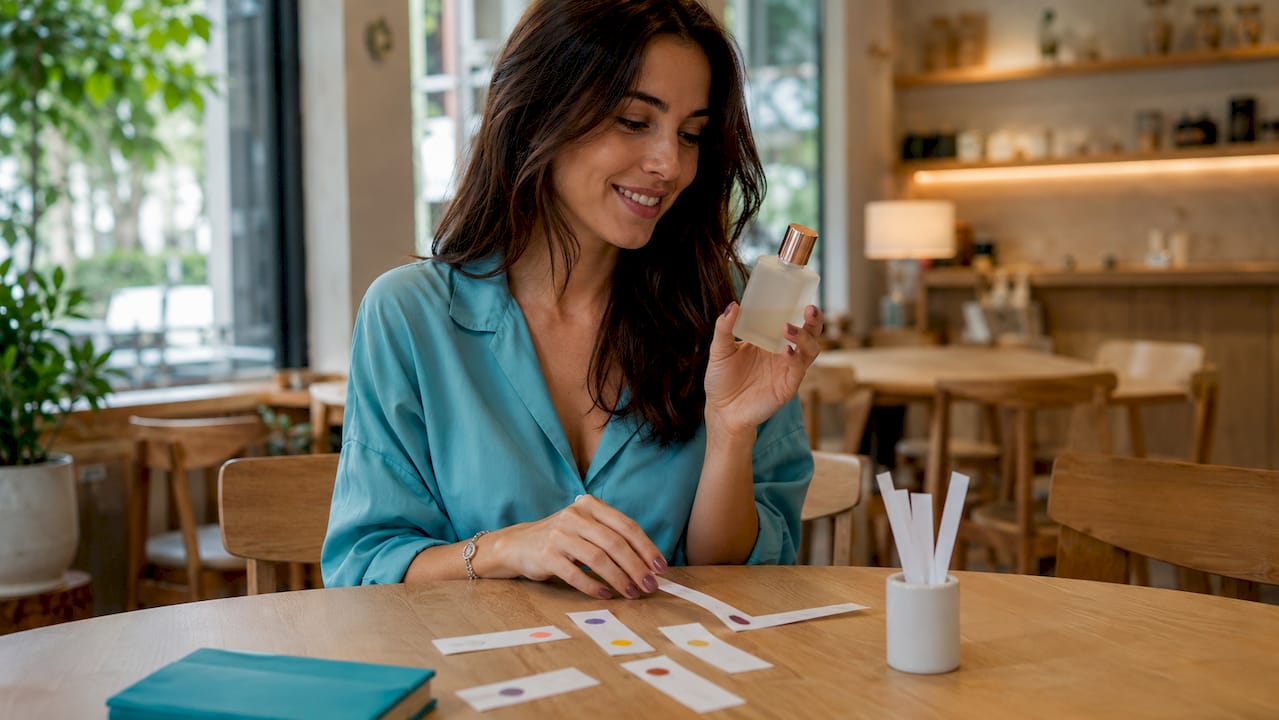
Modern consumers are sophisticated. They differentiate celebrity fragrances by the authenticity of the creator's involvement and the storytelling behind the scent. A celebrity who simply signs a contract and appears in one ad campaign will not build lasting loyalty. Buyers want passion and a clear point of view.
The challenge is that fragrance is an invisible product. You cannot show it on a runway or demonstrate it in a 30-second video. Successful brands film lab sessions, publish ingredient sourcing stories, and document the creative process across social media. That content builds the trust that converts a curious fan into a paying customer.
Pro Tip: When evaluating a celebrity fragrance before buying, look for behind-the-scenes content about the creation process. A celebrity who can name the specific notes they chose and explain why is almost always selling a better product than one who cannot.
The most effective celebrity fragrance storytelling includes:
- Personal narrative connecting the scent to a specific memory or place
- Transparent ingredient lists and sourcing information
- Documented creative sessions with master perfumers
- Limited edition launches tied to cultural moments to create urgency
- Podcast episodes or long-form content that builds narrative depth
Micro-launches and storytelling innovations like podcasts help celebrity fragrance brands engage fans continuously rather than relying on a single launch event. That ongoing engagement is what separates a brand from a product.
What are the financial motivations behind celebrity fragrance lines?
The financial case for launching a perfume line is strong and well-documented. Long-term licensing deals generate significant ongoing revenue without requiring the celebrity to manage manufacturing or retail logistics. Interparfums signed a 20-year exclusive licensing agreement with David Beckham that projects over $50 million in annual sales in its early years. That structure gives Beckham a durable global brand rather than a short-term endorsement fee.
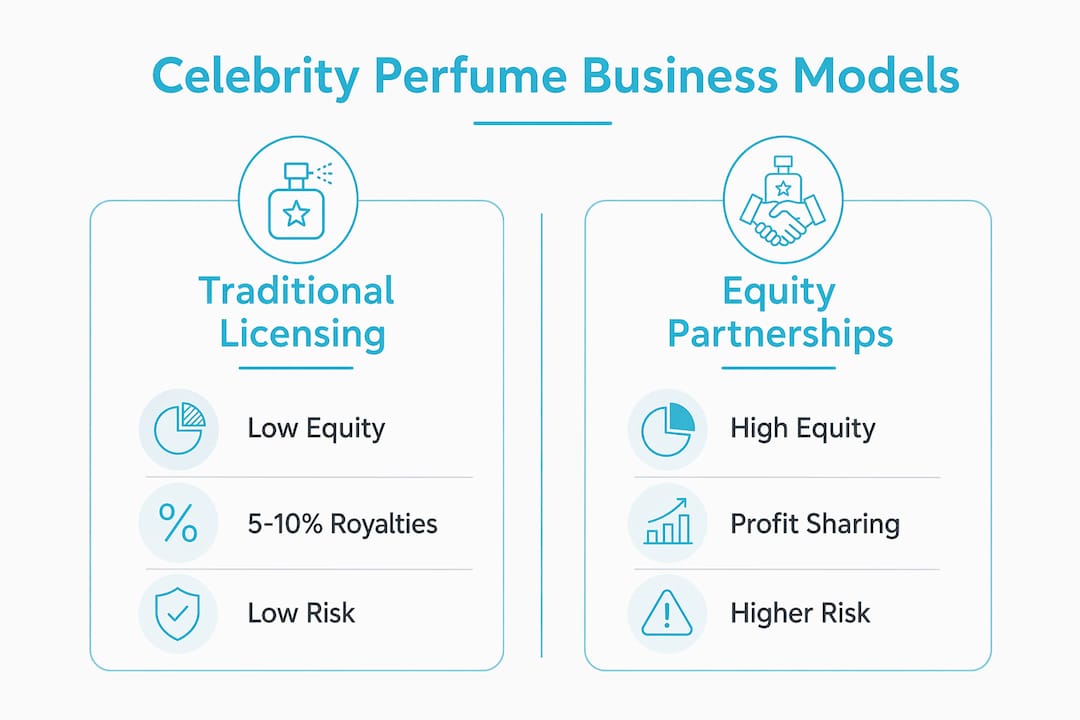
| Revenue model | Celebrity involvement | Financial upside | Risk level |
|---|---|---|---|
| Traditional licensing | Name and image only | Royalties on net sales | Low |
| Co-creation deal | Creative input on scent and packaging | Higher royalties plus brand equity | Medium |
| Equity partnership | Founding role with ownership stake | Profit share and asset value | Higher |
| Direct-to-consumer brand | Full creative and business control | Maximum margin | Highest |
Long-term licensing deals shift celebrity incentives from maximizing a short-term launch bump toward cultivating a durable, scalable global brand. That shift in incentive structure is why the best celebrity fragrance brands improve over time rather than fading after the first year.
Scalability is another major driver. A fragrance brand can expand into new markets, new concentrations, and new flanker scents without rebuilding the core brand. David Beckham's fragrance line now spans dozens of products across global retail. Licensing agreements with extended terms encourage multiple product releases that maximize long-term revenue. The perfume line becomes a platform, not a single product.
Celebrities also view fragrance as a creative outlet and a revenue stream that works simultaneously. Khloé Kardashian described her fragrance work as an amazing creative outlet. That dual motivation, creative satisfaction plus financial return, makes perfume uniquely attractive compared to other brand extension categories.
Key Takeaways
Celebrity fragrance success depends on authentic creative involvement, long-term brand building, and product quality that earns repeat purchases beyond the initial name recognition.
| Point | Details |
|---|---|
| Fragrance suits celebrity brands | Affordable, emotional, and universally accessible, perfume fits any celebrity's audience. |
| Business models have evolved | Equity partnerships now replace simple licensing, giving celebrities long-term financial upside. |
| Storytelling drives loyalty | Consumers reward transparency about ingredients, sourcing, and creative process with repeat purchases. |
| Long-term deals build real brands | Multi-year contracts like Beckham's with Interparfums shift focus from launch spikes to sustained growth. |
| Product quality is non-negotiable | Initial sales come from the celebrity name; sustained loyalty comes from the scent itself. |
The uncomfortable truth about celebrity perfumes most people miss
I have followed celebrity fragrance brands for years, and the pattern is consistent. The launches that fail share one trait: the celebrity treated the perfume as a passive income stream rather than a creative project. Consumers smell the difference, sometimes literally.
The brands that endure are the ones where the celebrity had a genuine opinion. Lady Gaga's Fame was packaged in a bottle shaped like a woman's torso and launched as a black fluid that turned clear on the skin. That level of creative specificity does not come from a licensing contract. It comes from a founder who cared deeply about the product. You can see similar commitment in how celebrity creative direction has shifted the quality bar across the entire category.
The risk I see growing is the opposite problem: celebrities over-indexing on storytelling without backing it up with a genuinely good scent. Consumers today are educated. They read fragrance notes, follow perfumers on social media, and compare formulations. A beautiful brand story wrapped around a mediocre fragrance will not survive a second purchase cycle.
My honest advice for anyone evaluating a celebrity fragrance: ignore the marketing and smell the product. If the scent holds up on its own merits, the celebrity's involvement probably went deeper than a signature on a contract. That depth is what makes perfume a style signature rather than a novelty item.
— Hamster777
Celebrity fragrances worth wearing, available at Parfumla
The celebrity fragrance category has produced genuinely excellent scents, and finding them at fair prices used to require patience.
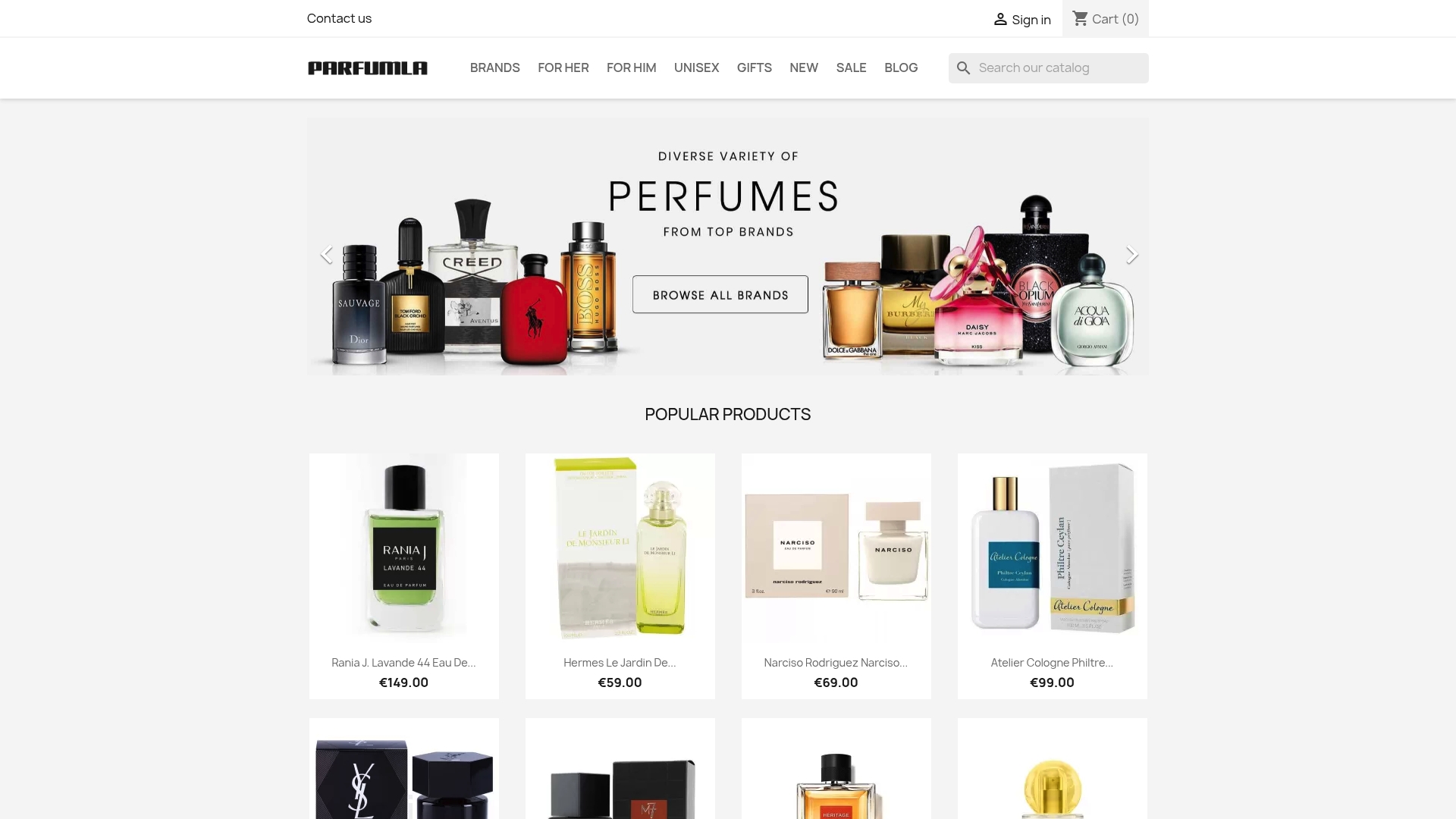
Parfumla carries over 14,000 fragrances, including a curated selection of celebrity and designer scents at up to 60% off retail prices. Whether you want to try a classic like Lady Gaga Fame or explore something from a designer house like Narciso Rodriguez Eau de Parfum, every listing includes detailed reviews so you know exactly what you are buying. Parfumla ships reliably across the US and EU, making it straightforward to find your next signature scent without paying full retail.
FAQ
Why do celebrities launch perfume lines instead of other products?
Fragrance is affordable, universally sized, and emotionally resonant, making it the most accessible luxury product a celebrity can offer fans. It also requires no fitting, no sizing, and carries high perceived value relative to its cost.
How much money do celebrities make from fragrance lines?
Celebrities typically earn 5–10% royalties on net sales under licensing deals, while equity partnerships can generate significantly more. Rihanna's Fenty Beauty earnings now exceed her music income.
What makes a celebrity fragrance successful long-term?
Sustained loyalty depends on product quality, not celebrity fame alone. Scent quality, packaging, and transparent storytelling drive repeat purchases after the initial launch interest fades.
What is the difference between a licensing deal and a co-creation deal?
A licensing deal pays a celebrity royalties to use their name and image. A co-creation deal involves the celebrity in choosing fragrance notes, packaging design, and brand storytelling, resulting in higher authenticity and often better margins.
Are celebrity fragrances as good as designer fragrances?
The best celebrity fragrances match designer quality when the celebrity has genuine creative involvement. Consumers now differentiate based on the authenticity of that involvement, and the category has raised its quality standard significantly over the past decade.