
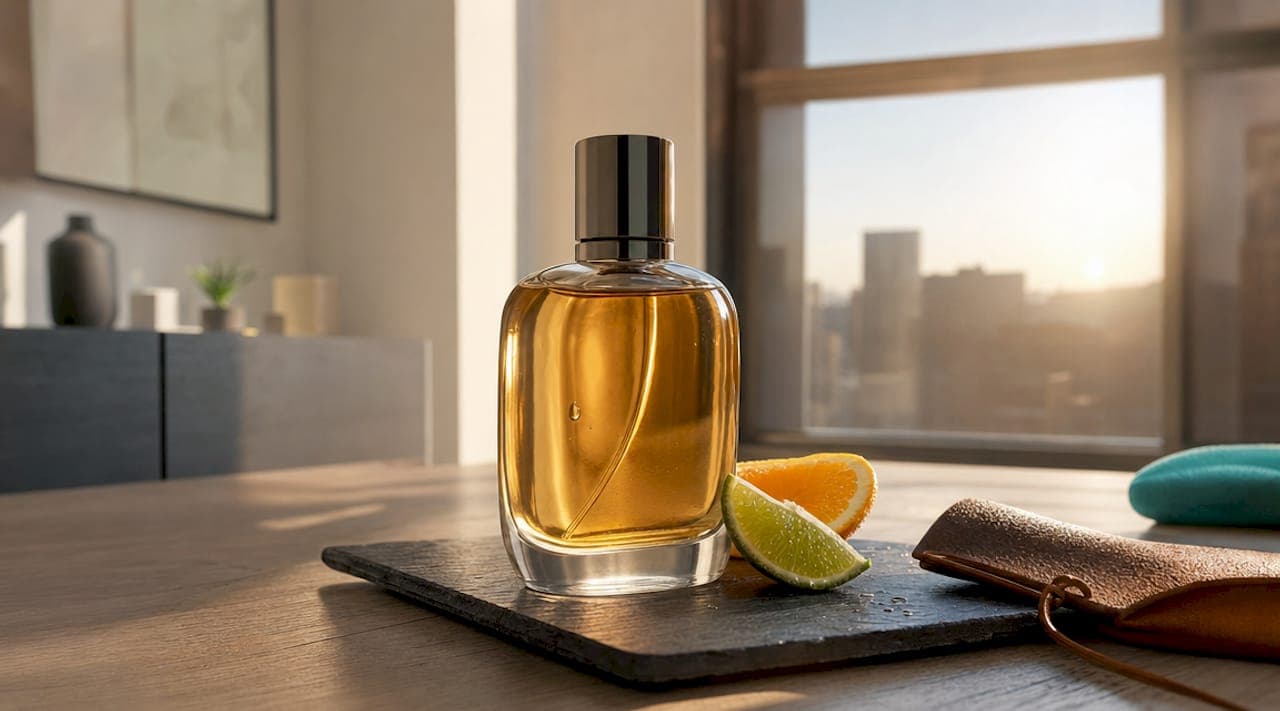
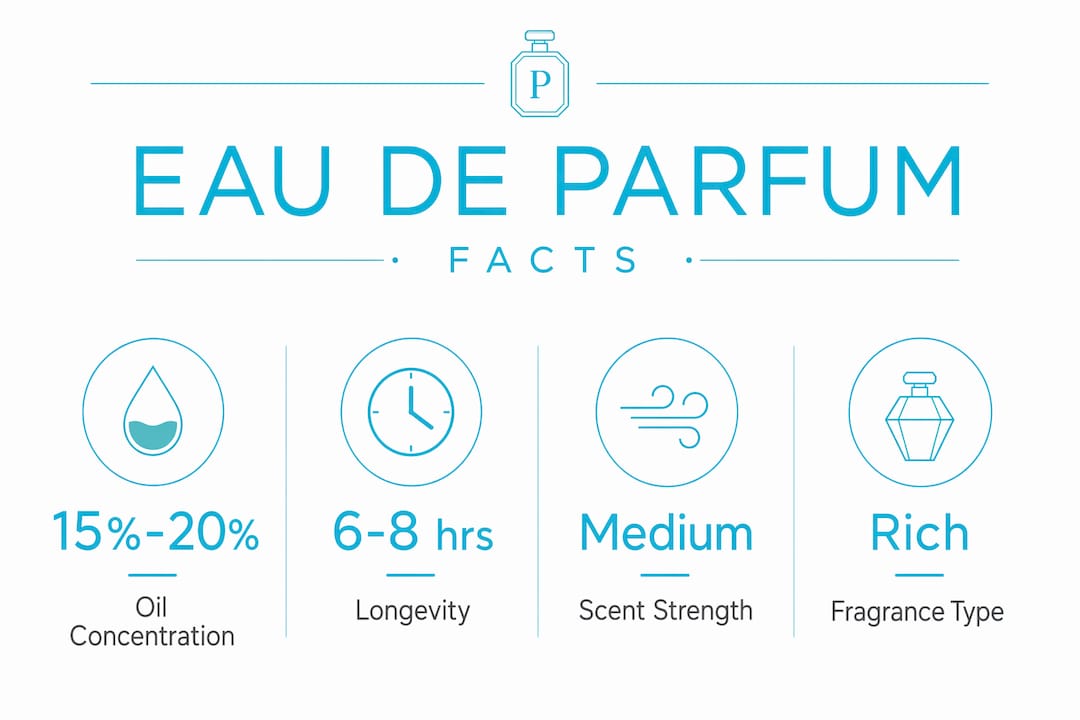
Eau de parfum is a fragrance category defined by its 15% to 20% fragrance oil concentration, making it one of the richest and longest-lasting scent formats available. The term itself translates from French as "perfume water," and the Cambridge Dictionary recognizes it as stronger-smelling and longer-lasting than eau de toilette. If you've ever stood in a fragrance aisle wondering why two bottles of the same scent smell different or fade at different rates, the answer almost always comes down to concentration. Understanding what eau de parfum means gives you a real advantage when choosing a fragrance that fits your lifestyle, budget, and skin chemistry.
What is eau de parfum and how does it compare to other types?
Eau de parfum (commonly abbreviated as EDP) sits in the middle of the fragrance concentration spectrum, above eau de toilette but below pure parfum. Its fragrance oil concentration of 15% to 20% is what separates it from lighter formats and gives it a noticeably richer, more complex character on the skin. Eau de toilette (EDT), by contrast, contains 5% to 15% fragrance oil, which is why it feels lighter and fades faster. Pure parfum, sometimes called extrait de parfum, sits above 20% and is the most concentrated and expensive format of all.
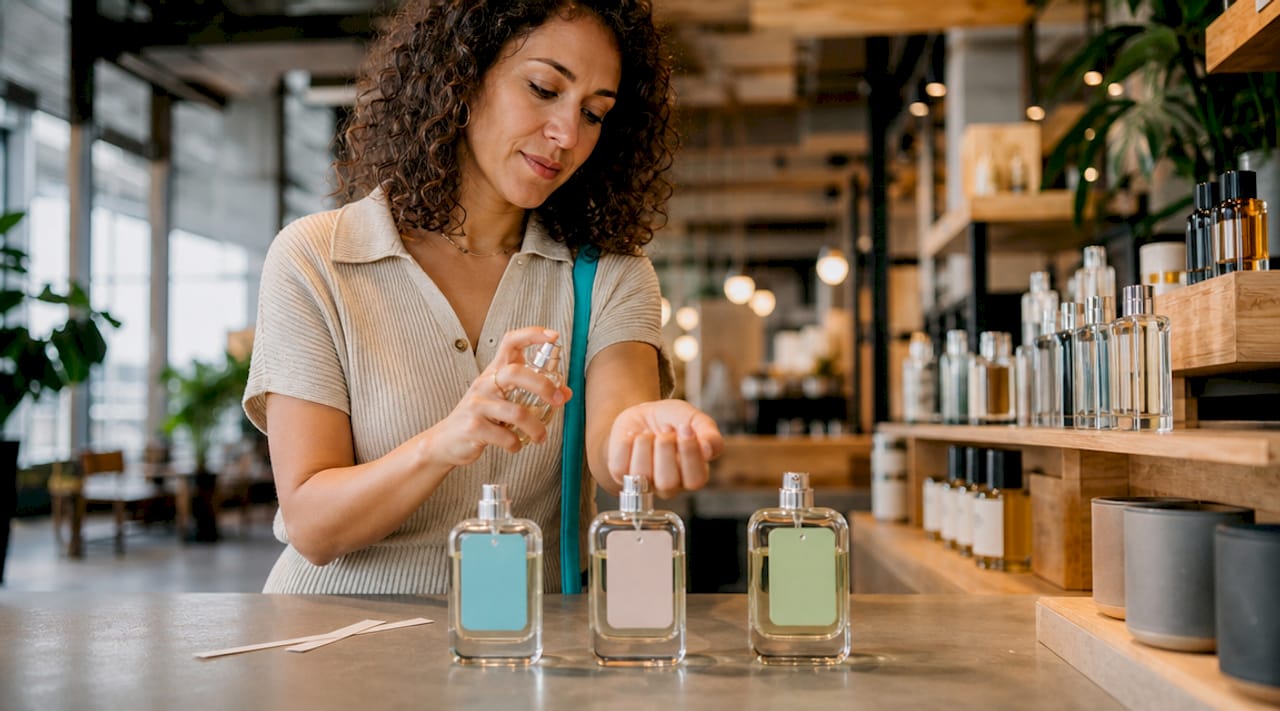
The practical difference between these formats matters more than most people realize. An EDT might be perfect for a casual workday or a warm summer afternoon when you want something subtle. An EDP is better suited for evenings, cooler weather, or situations where you want the scent to carry through a full day without reapplication. Pure parfum is typically reserved for special occasions or those who want the absolute maximum projection and longevity.
One fact surprises many fragrance newcomers: concentration changes intensity, not the scent formula itself. A Chanel No. 5 in EDP and EDT form smells recognizably similar. The EDP version simply projects more and stays longer. This is worth knowing before you assume a pricier EDP is a completely different product.
| Format | Concentration | Longevity | Best use |
|---|---|---|---|
| Eau de toilette (EDT) | 5%–15% | 3–5 hours | Daytime, casual wear |
| Eau de parfum (EDP) | 15%–20% | 6–8 hours | Evening, all-day wear |
| Parfum / Extrait | 20%–30%+ | 8–12 hours | Special occasions |
Pro Tip: If you love a scent in EDT but find it fades before lunch, try the EDP version before buying a completely new fragrance. You may already own the right scent in the wrong concentration.
How long does eau de parfum last on skin?
Eau de parfum typically lasts 6 to 8 hours on skin, though that number shifts based on several real-world factors. This longevity is one of the main reasons EDP has become the dominant format in the prestige fragrance market. Six to eight hours covers most workdays and evenings without needing a touch-up.
Skin type plays a significant role. Oily skin naturally holds fragrance longer because the oils give aromatic molecules something to bind to. Dry skin absorbs fragrance faster and releases it more quickly, which shortens wear time noticeably. Climate matters too. Heat and humidity amplify projection but can also accelerate the rate at which a scent fades. In cold, dry conditions, an EDP may project less but linger closer to the skin for longer.
The fragrance formula itself also affects longevity beyond the concentration percentage. A formula heavy in base notes like sandalwood, amber, or musk will outlast one built primarily on citrus or green top notes, even at the same oil concentration. This is why two EDPs at 18% concentration can feel completely different in terms of staying power.
Here are the four factors that most reliably extend how long your EDP lasts:
- Moisturize first. Applying on moisturized skin helps fragrance bind to moisture and slows evaporation. An unscented body lotion or shea butter works well.
- Target pulse points. Wrists, neck, inner elbows, and behind the knees generate body heat that continuously activates the scent.
- Spray on clean skin. Freshly showered skin is the ideal canvas. Competing odors from sweat or other products interfere with how the fragrance develops.
- Avoid heavy physical activity immediately after applying. Excessive sweating can break down the fragrance faster than normal wear.
Pro Tip: Spray your EDP right after your morning shower, before getting dressed. The warmth of your skin post-shower opens pores and helps the fragrance absorb more deeply.
How to apply eau de parfum for the best results
Application technique influences scent strength and longevity more than most people expect, sometimes more than the concentration label itself. Getting this right is the difference between a fragrance that disappears by noon and one that earns compliments at dinner.
Spray from 6 to 8 inches away from your skin. Closer than that and you deposit too much product in one spot, which can feel sharp and overwhelming. Farther away and the mist disperses before it lands, wasting fragrance. Two to three sprays is the right amount for most EDPs. Because EDP is stronger than EDT, fewer sprays are needed to achieve the same effect. Over-application leads to olfactory fatigue, where your nose stops registering the scent entirely, even though everyone around you can still smell it strongly.
The most common mistake people make is rubbing their wrists together after spraying. This generates friction and heat that breaks down the top notes prematurely, altering how the fragrance develops. Spray and let it dry naturally.
Applying a light mist on clothing is a legitimate technique for extending wear, particularly on natural fibers like cotton and wool. Be cautious with silk or light-colored fabrics, as some fragrance ingredients can stain. Spraying on hair also works well since hair fibers hold scent effectively, but the alcohol in EDP can dry out hair with repeated use.
Pro Tip: If you want to test a new EDP before committing to a full bottle, spray it on your inner wrist and wait a full 15 minutes before deciding. Top notes settle quickly, and the heart and base notes that define the lasting character take time to emerge.
Are all eau de parfums the same in quality and strength?
Not all EDPs are created equal, even when they share the same concentration range. The IFRA safety standards set maximum allowable concentrations for specific fragrance ingredients in finished products, which means two brands formulating at 18% oil concentration may still smell and perform very differently depending on which ingredients they use and at what levels.
Formulation artistry matters as much as raw concentration. A niche perfume house like Maison Margiela or Diptyque may use a higher proportion of expensive natural ingredients within their EDP formula, producing a more complex and nuanced scent than a mass-market EDP at the same concentration percentage. The percentage on the label tells you how much fragrance oil is present. It says nothing about the quality or complexity of those oils.
Price is not a reliable indicator of quality or strength. A well-formulated EDP at an accessible price point can outperform an expensive bottle with a famous name. What matters more is brand reputation for formulation consistency, the quality of raw materials, and how well the scent profile matches your skin chemistry.
"Concentration is a starting point, not a guarantee. The real measure of an EDP is how it evolves on your skin over several hours, not how it smells in the first 30 seconds."
A few things worth knowing before you buy:
- Niche houses often prioritize ingredient quality over marketing spend, which can mean better performance per dollar.
- Celebrity fragrances like Christina Aguilera Unforgettable are formulated by professional perfumers and can offer genuine quality at accessible prices.
- Seasonal reformulations happen at major houses, so an EDP you loved two years ago may smell slightly different today due to ingredient sourcing changes or IFRA compliance updates.
Key takeaways
Eau de parfum delivers a richer, longer-lasting scent than eau de toilette because of its higher fragrance oil concentration, and application technique determines whether that potential is fully realized on your skin.
| Point | Details |
|---|---|
| EDP concentration range | Eau de parfum contains 15%–20% fragrance oil, placing it above EDT and below pure parfum. |
| Typical longevity | EDP lasts 6–8 hours on skin, with oily skin types and base-note-heavy formulas extending wear time. |
| Application matters | Spray 6–8 inches from skin, target pulse points, and never rub wrists to preserve scent integrity. |
| Concentration vs. quality | A higher oil percentage does not guarantee a better fragrance. Formulation artistry and ingredient quality are equally important. |
| IFRA standards affect formulas | Safety regulations mean two EDPs at the same concentration can perform and smell very differently. |
Why I think most people overthink choosing an EDP
After years of exploring fragrances across every concentration and price point, the single most common mistake I see is treating "stronger" as synonymous with "better." People gravitate toward EDPs because the label sounds more serious, more premium. But a well-chosen eau de toilette worn with confidence will always outperform a heavy EDP that doesn't suit your skin or the occasion.
My honest recommendation is to stop buying fragrances based on concentration and start buying based on how the scent evolves on your specific skin after 20 minutes. The top notes that hit you in the store are gone within minutes. What you're actually committing to is the heart and base. I've seen people fall in love with a fragrance on a tester strip and hate it on their skin. Skin chemistry is real, and it changes everything.
The other thing I'd push back on is the idea that you need a large collection. One or two EDPs that genuinely suit your skin, your wardrobe, and your daily context will serve you better than ten bottles you rotate out of obligation. Chanel Coco Mademoiselle Intense is a good example of an EDP that works across seasons and occasions without demanding much thought. That kind of versatility is underrated.
Give any new EDP at least two or three full wears before judging it. The first wear is always about novelty. The second and third tell you whether it actually fits your life.
— Hamster777
Find your signature scent at Parfumla
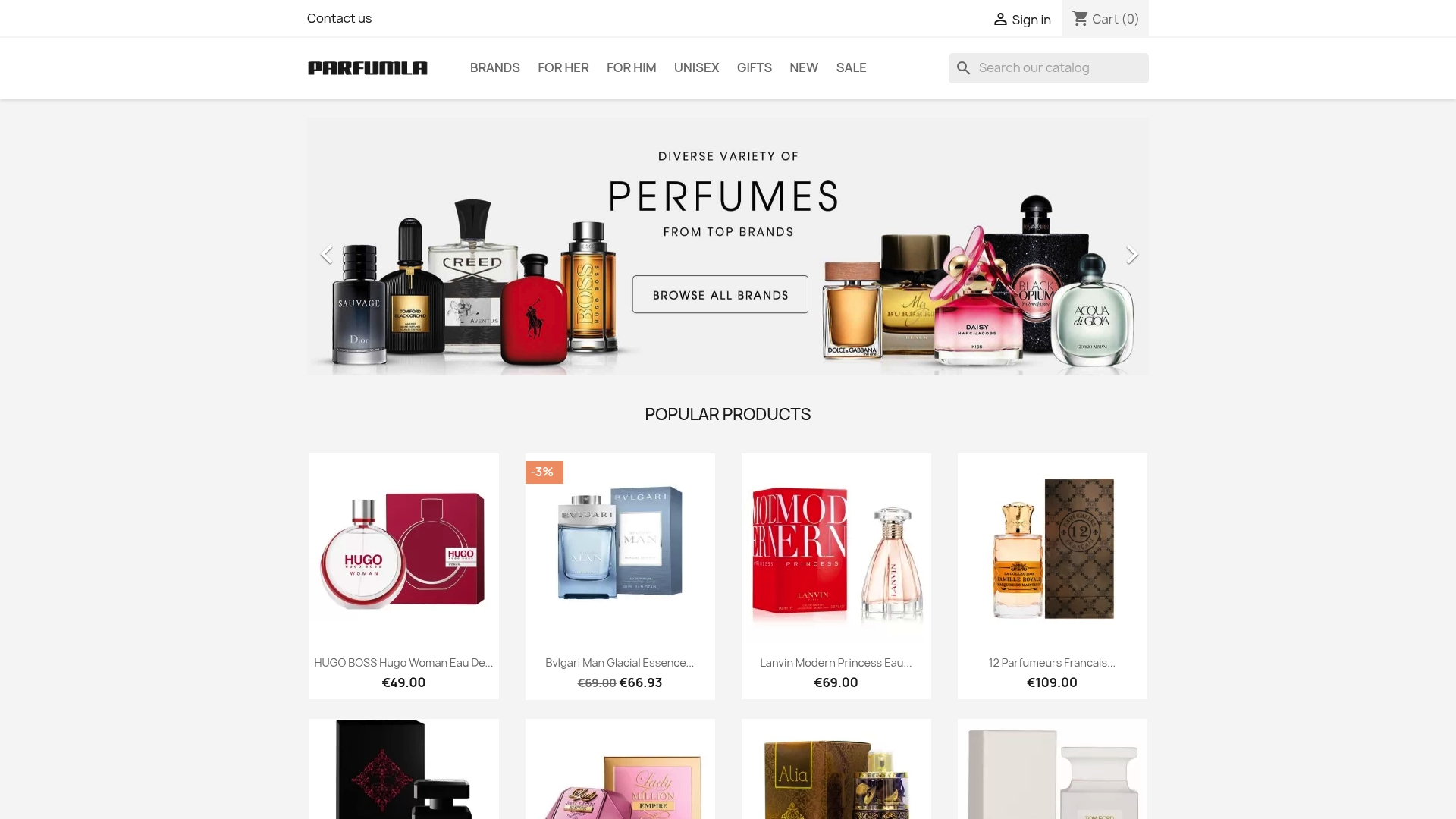
Parfumla carries over 14,000 fragrances, including popular, niche, and celebrity EDPs, at up to 60% off retail prices. Whether you're exploring your first serious fragrance or adding to an established collection, the catalog includes detailed reviews to help you choose with confidence. A standout option worth exploring is Ex Nihilo Fleur Narcotique, a widely praised unisex EDP known for its floral depth and exceptional longevity. For those looking for trending options at accessible prices, the best-selling fragrances page is a practical starting point. Parfumla ships reliably across the US and EU, making it a straightforward choice for fragrance buyers at any level.
FAQ
What does eau de parfum mean?
Eau de parfum translates from French as "perfume water" and refers to a fragrance with a 15% to 20% oil concentration. It is recognized as stronger-smelling and longer-lasting than eau de toilette.
What is the difference between eau de parfum and eau de toilette?
EDP contains 15%–20% fragrance oil while EDT contains 5%–15%, making EDP richer and longer-lasting. EDT is lighter and better suited for casual or daytime wear, while EDP is preferred for evenings or all-day use.
How long does eau de parfum last on skin?
Eau de parfum typically lasts 6 to 8 hours, though skin type, climate, and fragrance formula all affect actual wear time. Oily skin and base-note-heavy formulas tend to extend longevity beyond the average.
Is eau de parfum stronger than cologne?
Yes. Cologne (eau de cologne) contains roughly 2%–4% fragrance oil, which is significantly lower than EDP's 15%–20% concentration. Cologne typically lasts 2 hours or less, while EDP lasts 6 to 8 hours.
How many sprays of eau de parfum should you use?
Two to three sprays is the recommended amount for most EDPs. Over-application causes olfactory fatigue, where your nose stops detecting the scent even though it remains strong to others.