
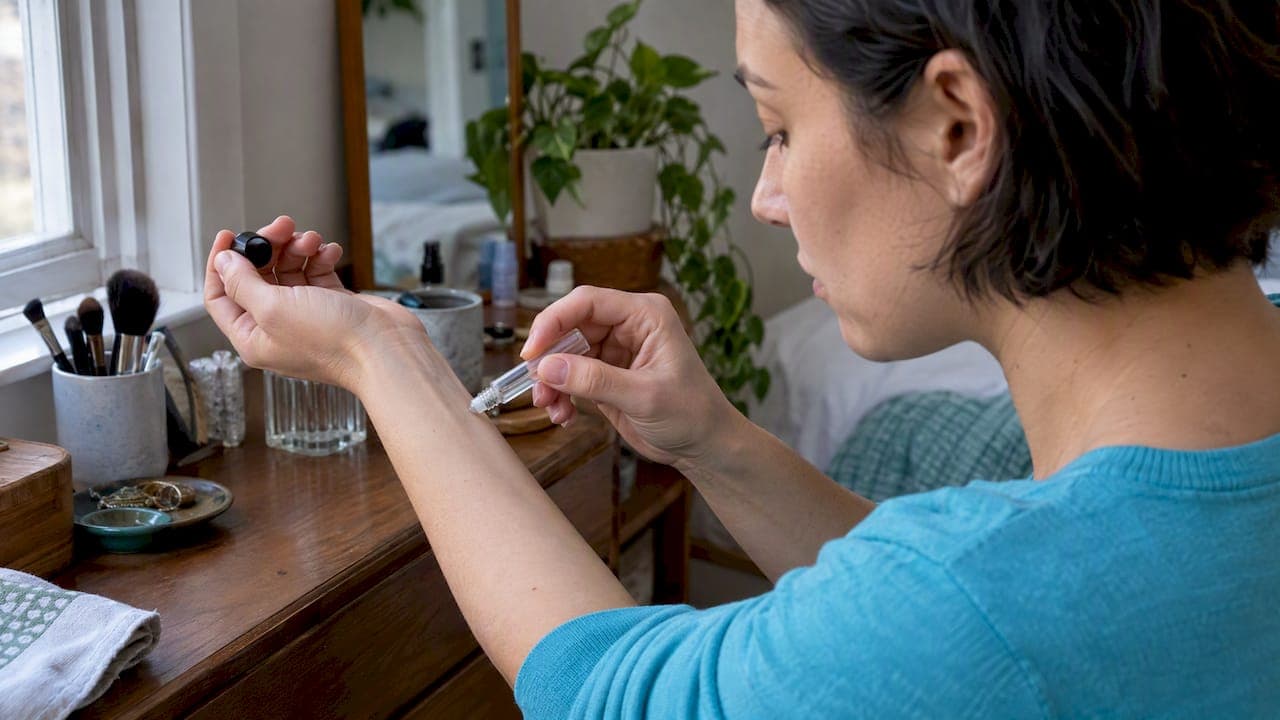
Yes, alcohol-free perfumes are a real category, built mostly around perfume oils and oil-in-water emulsions rather than the ethanol-based sprays most people grew up with. If you want to try one, the smartest first move is sampling through a decant or small bottle and checking the ingredient list before committing to a full-size purchase. Decants and sample formats are commonly available, which makes that kind of low-risk testing easy to do before you buy.
TL;DR:
- Perfume oils usually linger closer to the skin and project less than sprays, while mists cover more area but tend to be lighter.
- A review of 70,867 patients found 146 positive patch test reactions to benzyl alcohol, or 0.21%; fragrance compounds remain the greater allergy concern.
- Read the full ingredient list, then patch test your inner forearm for 24 to 48 hours and stop if redness, itching, or swelling appears.
- Buy a decant before a full bottle, then wear it for a day after the skin test to assess irritation and how its scent develops.
Table of Contents
- What "alcohol-free" means and the formats you'll actually find
- Benefits and limits: skin comfort, longevity, and allergen risk
- Formats and performance: what each one actually feels like to wear
- How to choose an alcohol-free perfume: a buyer's checklist
- Parfumla's role in a sample-first fragrance search
- How long it takes to get your sample and start testing
- When alcohol-free perfume is actually worth choosing
- Ready to sample alcohol-free formats? Here's where to start
- FAQ
- Sources
What "alcohol-free" means and the formats you'll actually find
"Alcohol-free" on a perfume label usually means the product skips the ethanol or denatured alcohol that carries scent in a traditional eau de parfum or eau de toilette. Instead, the fragrance oils are suspended in something else entirely, most often a plant oil, a wax base, or water.
Three formats dominate this space. Perfume oils are the simplest: fragrance concentrate blended into jojoba, sweet almond, or a similar carrier oil, usually applied with a rollerball or dabber. Oil-in-water emulsions are a newer approach that tries to replicate the fine mist of a traditional spray without any alcohol at all. Alcohol-free mists and roll-ons round out the category, often marketed for hair and body use where a strong alcohol scent would be unwelcome.
The carrier matters more than people expect. Alcohol evaporates fast, which is exactly why alcohol-based sprays throw scent outward and fade in a predictable arc over several hours. Oil carriers evaporate slowly, so the fragrance tends to sit closer to the skin and unfold more gradually rather than projecting outward in the first few minutes.
- Perfume oils: concentrated scent in a carrier oil, applied by hand or rollerball.
- Oil-in-water emulsions: engineered to be atomizable, aiming for a spray-like mist without ethanol.
- Alcohol-free mists: lighter dilutions aimed at hair, linens, or all-over body use.
There is real patent literature behind the emulsion approach. Formulators have developed alcohol-free oil-in-water emulsions specifically designed to stay stable in a standard atomizer while carrying a meaningful percentage of actual perfume oil, not just a watered-down scent. In practice, though, most of what you will find on retail shelves right now is oil-based roll-ons and body mists rather than true spray emulsions, so it helps to check the product description closely before assuming a bottle sprays the way you expect.
Benefits and limits: skin comfort, longevity, and allergen risk
Dropping alcohol from a fragrance has a few genuine upsides. Oil-based formulas tend to feel gentler on dry or reactive skin since there is no ethanol to strip surface moisture, and many people find oils pleasant on hair where a spray would feel harsh or sticky. Because the oil carrier breaks down slowly, the scent can also feel like it lingers closer to the skin for a longer stretch, even though it projects less than a spray.
The limitation that catches people off guard is allergen risk. Removing alcohol does not remove the fragrance compounds that actually cause most reactions. Dermatology research identifies fragrance ingredients themselves, not the alcohol carrier, as the leading cause of contact dermatitis, with compounds like limonene, linalool, geraniol, and Balsam of Peru among the most common triggers. Switching to an oil or emulsion base does nothing to neutralize those compounds if they are still in the formula.

Benzyl alcohol, specifically, turns out to be a weak offender. A large patch-test review of 70,867 patients found only 146 positive reactions to benzyl alcohol, a rate of 0.21%, and most of those were mild. That suggests alcohol-type ingredients are rarely the real problem, which reframes the whole "alcohol-free equals safer" assumption: the carrier is usually not what triggers a reaction, the fragrance oils are.
There is also a less obvious pathway worth knowing about. Case reports describe systemic contact dermatitis triggered by Balsam of Peru consumed in alcoholic beverages, with symptoms improving once the allergen was avoided, a reminder that allergen exposure can happen through routes that have nothing to do with a spray bottle at all.
A short safety routine covers most of the risk:
- Read the full ingredient list, not just the marketing description, before buying.
- Patch test on your inner forearm and wait 24 to 48 hours before applying more broadly.
- See a dermatologist if you notice swelling, blistering, or a reaction that spreads beyond the test site.
Formats and performance: what each one actually feels like to wear
Choosing between oils, roll-ons, mists, and emulsions comes down to how you want the scent to behave on your skin, not just whether it contains alcohol.
- Perfume oils go on by hand or rollerball, usually at pulse points. They project less than a spray but tend to sit on skin longer, since the oil carrier evaporates slowly instead of flashing off the way alcohol does.
- Roll-ons offer the most control for targeted application, which makes them a good fit for people who want scent only where they put it, without any drift into clothing or hair.
- Spray mists cover more surface area quickly and work well for hair or all-over body use, though they are typically diluted lighter than a true perfume oil.
- Oil-in-water emulsions aim to split the difference, delivering a spray-like mist while skipping ethanol, though the feel on skin and the evaporation pattern still differ from a classic alcohol-based spray.
Our comparison of perfume oil versus spray performance walks through how longevity and projection diverge between formats, which is worth a look if you are trying to match a format to a specific routine like gym days versus evenings out. The short version: sprays project more and fade faster, oils project less and linger longer, and your choice should follow how close or how far you want the scent to carry.
How to choose an alcohol-free perfume: a buyer's checklist
Shopping for an alcohol-free fragrance works best as a short, deliberate process rather than an impulse buy, especially if you have sensitive skin or a known fragrance allergy.
Start with the seller. A trustworthy product page lists ingredients in full, states clearly whether a formula is oil-based or an emulsion, and offers a sample or decant option so you are not committing to a full bottle sight unseen. Reviews from other buyers are another signal worth checking, since they often mention skin reactions or longevity issues that a product description leaves out.
Once you have a candidate, test it properly before wearing it out:
- Order a decant or small sample size instead of a full bottle on a first try.
- Apply a small amount to your inner forearm or behind your ear.
- Wait 24 to 48 hours, watching for redness, itching, or swelling at the test site.
- If there is no reaction, wear it for a full day to judge how the dry-down smells hours later.
- Only move to a full-size bottle once the sample has cleared both the skin test and the longevity check.
Our own step-by-step perfume testing guide walks through this same process in more detail, including how to judge dry-down once the initial notes fade. If you want to carry a tester with you rather than lugging a full bottle, a refillable travel atomizer lets you fill a small spray bottle from any bottle you already own, which is handy for testing a sample throughout a real day instead of just at home.
Watch for a few red flags that suggest a seller is not being straight with you. A product labeled "natural" or "alcohol-free" with no ingredient list at all is one. So is a page that uses "fragrance-free" and "unscented" interchangeably, since dermatology sources note that products labeled "unscented" can still contain masking fragrances meant to cover other smells, which defeats the purpose if you are trying to avoid fragrance allergens entirely. A seller with no return policy and no sample option is asking you to gamble on skin contact sight unseen, which is a bad trade for a product this personal.
Pro Tip: Buy the smallest size available on a first purchase, even if the per-ounce price looks worse. A 2 ml decant that causes irritation costs you far less than a 100 ml bottle that does the same.
Parfumla's role in a sample-first fragrance search
The catalog is built around the idea that fragrance shopping should not require a leap of faith, which matters even more for alcohol-free formats where format and ingredients vary so much from one brand to the next.
That range makes it realistic to compare several oil-based or emulsion options side by side instead of settling for whatever one brand happens to stock locally.
A few concrete things make testing easier on this site:
- Decants and sample sizes are available across much of the catalog, so you can try a format before buying a full bottle.
- Customer reviews on product pages often mention skin feel and longevity, which is useful context beyond the marketing copy.
- Shipping runs reliably across the US and EU, so a sample order does not stall out in transit limbo.
- Fragrance offerings come with an authenticity guarantee, which matters when you are testing something that will touch your skin.
If you are specifically hunting for oil-based or alcohol-free options, searching by brand or scent family within our women's fragrance category or browsing decants and samples is the fastest way to narrow things down before you commit to a full-size bottle.
How long it takes to get your sample and start testing
Once testing an alcohol-free perfume, the biggest variable is shipping time rather than the testing process itself, since the patch test and wear test together only take a couple of days once the product is in hand.
Shipping timelines vary by destination and carrier, so check the specific delivery estimate shown at checkout for your address rather than assuming a flat number across regions. Once your decant or sample arrives, the testing itself moves quickly: a patch test needs 24 to 48 hours to rule out an obvious reaction, and a full wear test to judge dry-down takes one more day of normal use.
That means most shoppers can go from placing an order to having a real answer about whether a scent works for their skin within about a week, factoring in both transit time and the testing window. If you are deciding between two or three candidates, ordering samples of each at the same time saves a full shipping cycle compared to testing them one at a time. Starting with a small size also means that if a format does not suit your skin, you have not sunk the cost of a full bottle waiting on a delivery truck.

When alcohol-free perfume is actually worth choosing
Alcohol-free formats earn their place for a specific kind of shopper: someone with genuinely reactive or dry skin, someone layering scents deliberately, or someone who simply prefers how an oil feels compared to a spray. For that reader, sampling first is not a nice-to-have, it is the only sane way to shop.
What alcohol-free formats do not do is guarantee safety. The ingredient list still drives the risk, and a beautifully marketed "natural" oil can carry the exact same allergens as a mainstream spray. I would rather see someone buy a $5 decant and test it properly than buy a full bottle on faith because the label said "alcohol-free."
Treat the format as a preference, not a shield, and let a patch test do the deciding instead of the packaging.
Ready to sample alcohol-free formats? Here's where to start
Finding the right alcohol-free fragrance comes down to testing before you buy, and we built our catalog to make that practical instead of theoretical.
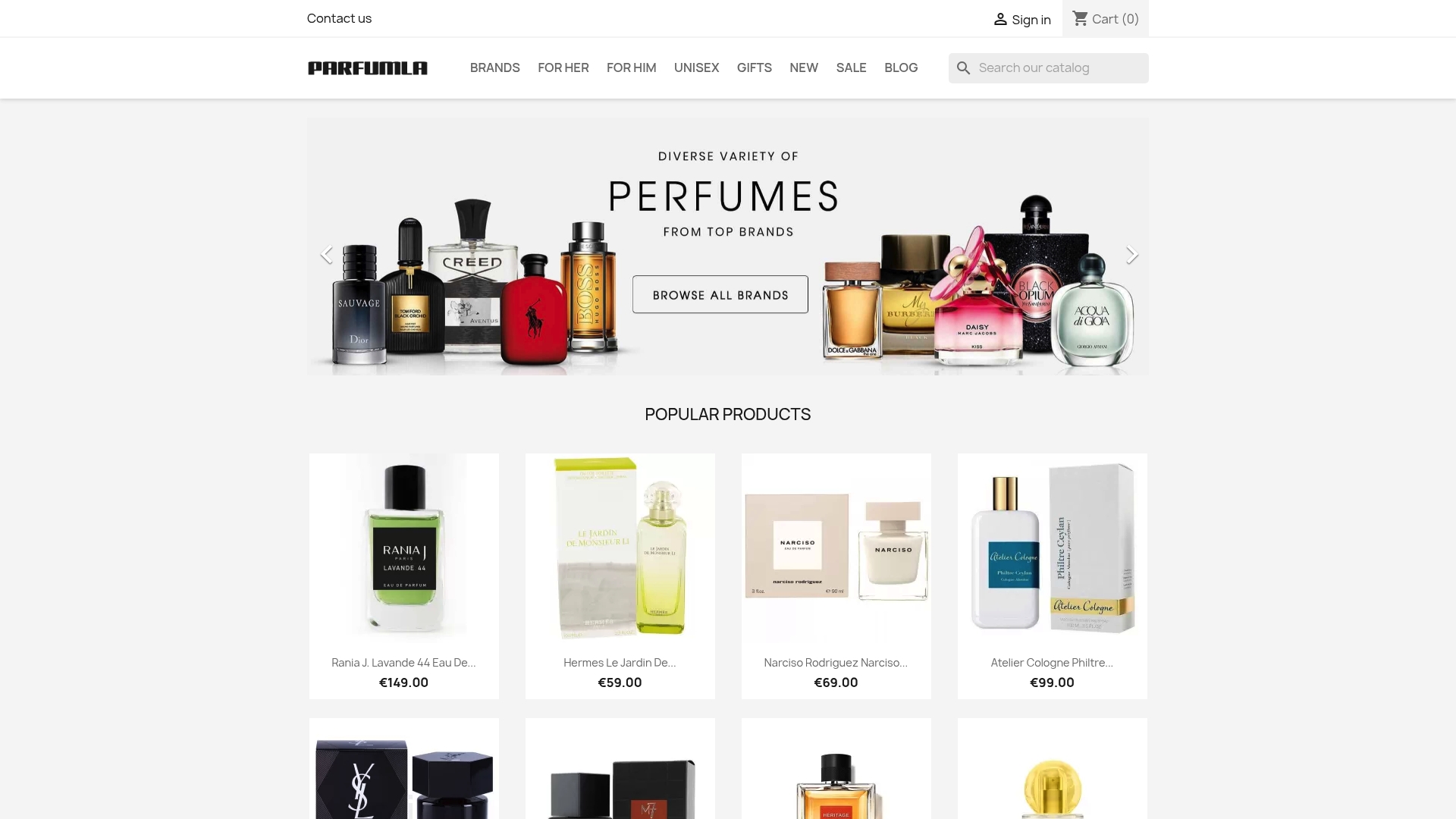
Start by browsing our decants and samples page if you want to test a handful of oils or mists before settling on one. If you already know the general scent family you like, our women's, men's, and unisex categories let you filter by brand and read reviews from other buyers along the way. Shopping for a gift instead of yourself? Our gift category includes sample sets that let a recipient test a few scents on their own terms.
- Order a decant first, patch test it, then decide on a full bottle.
- Compare prices across our catalog, where savings run up to 60% off retail on many fragrances.
- Check reviews on the product page for notes on skin feel and longevity before you buy.
Once a sample clears your patch test, come back and order the full size with confidence instead of guessing twice.
FAQ
Can perfumes be alcohol free?
Yes, alcohol-free perfumes exist and are most commonly sold as perfume oils, roll-ons, or oil-in-water emulsions instead of traditional ethanol-based sprays. These formats suspend fragrance oils in a carrier like jojoba oil or water rather than alcohol, which changes how the scent applies and wears.
Why is alcohol-free perfume better?
Alcohol-free perfume is not automatically better, it is a different tradeoff. Oil-based formats can feel gentler on dry or sensitive skin since there is no ethanol to strip moisture, but the fragrance ingredients themselves remain the leading cause of contact reactions, so switching carriers does not remove allergen risk on its own.
Do non-alcoholic perfumes last?
Non-alcoholic perfume oils often sit closer to the skin for a longer stretch than a spray, since oil carriers evaporate more slowly than ethanol, though they typically project less from the start. Our perfume oil versus spray comparison breaks down how that tradeoff plays out between the two formats.
How do I know if I'm allergic to a fragrance ingredient?
The most reliable approach is a patch test: apply a small amount to your inner forearm and watch for redness, itching, or swelling over 24 to 48 hours before wearing it more broadly. If you have a history of severe reactions, a dermatologist can run formal patch testing for specific fragrance allergens rather than relying on trial and error at home.
Where can I buy alcohol-free perfume samples?
Many fragrance retailers, including our own catalog, offer decants and sample sizes that let you test an oil-based or alcohol-free format before buying a full bottle. Look for a seller that lists full ingredients and offers a clear return policy, since that combination gives you the most reliable way to judge fit before spending more.
Sources
- Fragrance and perfume contact allergy — DermNet
- Systemic contact dermatitis related to alcoholic beverage consumption — PubMed
- Is benzyl alcohol a significant contact sensitizer? — PubMed